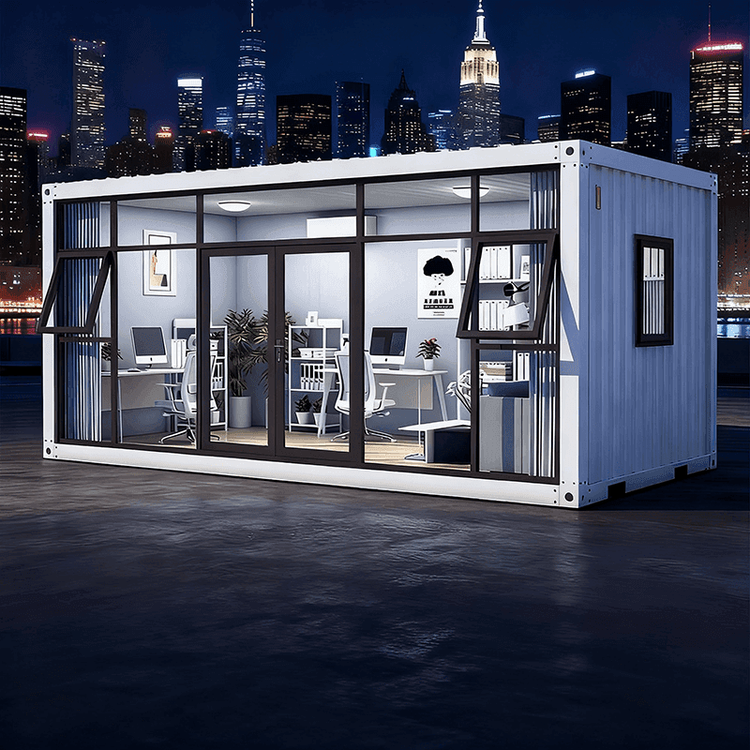
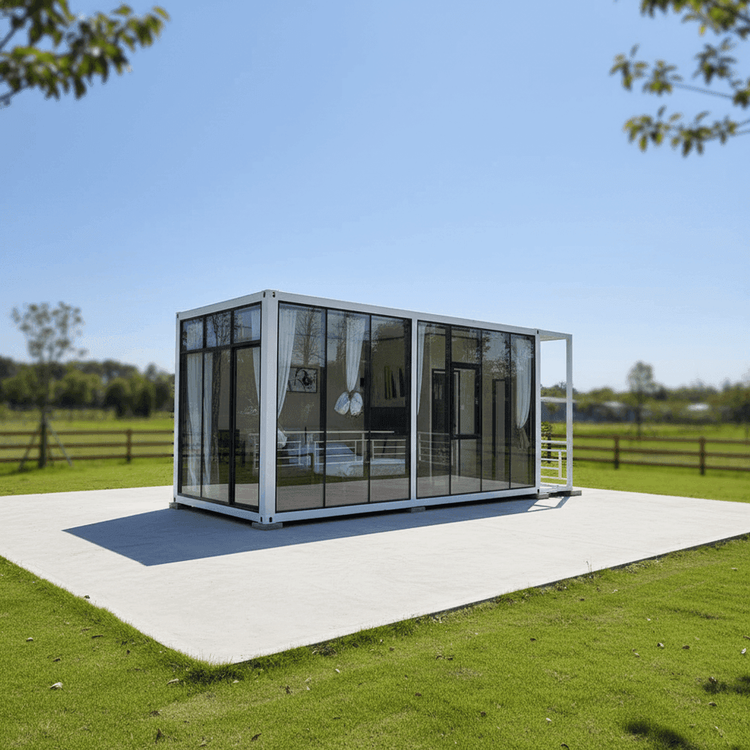
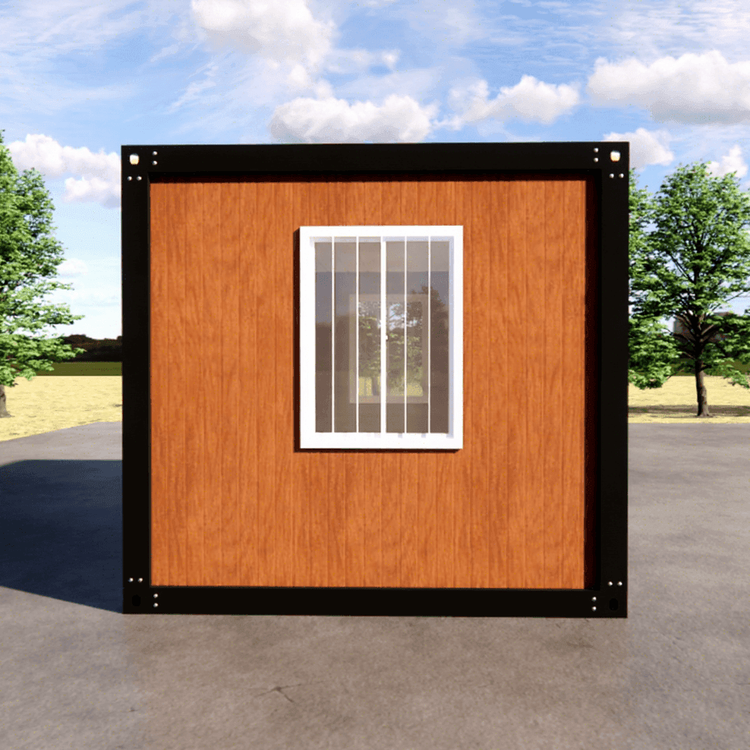
Mile Mobile Toilet Franchise
Currently, no specific public information about 'Mile Mobile Toilet Franchise' has been found. Below are relevant industry analyses and suggestions:

Mobile toilet franchising typically falls within the realm of environmental protection equipment or public health services, with core business operations involving the design, production, leasing, sales, and maintenance of mobile toilets. If considering franchising such a project, it is essential to focus on the following aspects:
1. Market Research and Demand Analysis
Mobile toilets have a wide range of applications, including tourist attractions, large-scale events, construction sites, and municipal sanitation. It is necessary to evaluate market demand by considering local economic development levels, population density, and policy directions (such as the 'Toilet Revolution'). For example, tourist cities or densely populated areas may have higher demand for mobile toilets, while regions with strong policy support are more conducive to project promotion.
2. Franchise Brand Selection Criteria
- Qualifications and Reputation: Prioritize brands with environmental protection equipment production qualifications, ISO certifications, and a good market reputation. Their qualifications can be verified through industry exhibitions, corporate websites, or third-party platforms (such as Tianyancha).
- Products and Services: Examine the types of products offered by the brand (such as foam-sealed, microbial degradation, or packaged types), technological advancements (such as water-saving and deodorizing functions), and after-sales service systems (such as maintenance response speed and spare parts supply capabilities).
- Franchise Policies: Clarify franchise fees, deposits, regional protection scopes, training support (such as installation and commissioning, operational guidance), and profit models (such as sales commissions and leasing revenues).
3. Cost and Revenue Assessment
Initial investments include franchise fees, equipment procurement costs, site leasing fees, and personnel training fees, which should be planned according to brand requirements and one's own financial strength. Revenue sources mainly come from equipment sales, leasing, and maintenance fees. The return period should be estimated by considering local market pricing (such as single-use leasing prices and long-term cooperation discounts) and usage frequency (such as demand during peak tourist seasons).
4. Risks and Mitigation Measures
- Market Competition Risks: The mobile toilet industry has relatively low barriers to entry and may face homogeneous competition. It is necessary to enhance competitiveness through differentiated services (such as customized design and intelligent management systems).
- Policy Change Risks: Some regions may have strict regulations on the emission standards and placement locations of mobile toilets. It is essential to communicate with local environmental protection and urban management departments in advance to ensure compliant operations.
- Operational Maintenance Risks: Equipment failures or sanitation issues may affect reputation. It is necessary to establish a professional maintenance team and develop emergency response plans.
Suggestions: If you have specific intentions regarding 'Mile Mobile Toilet Franchise,' you can obtain more precise information through industry associations, local environmental protection enterprises, or government bidding platforms, or directly contact potential brand owners to inquire about franchising details.