
Mianyang Rural Mobile Toilet
Mianyang rural mobile toilets typically adopt steel frame structures combined with waterless flushing or intelligent environmental protection technologies, featuring flexible deployment, water conservation, environmental protection, and strong adaptability, suitable for rural public events, temporary venues, and remote areas.
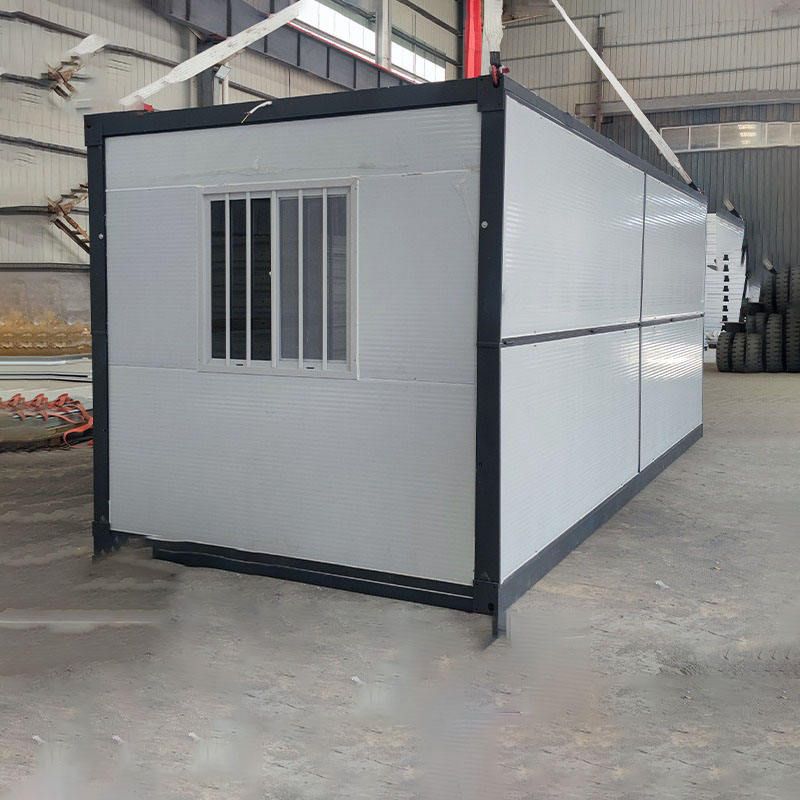
Structure and Materials
The main frames of Mianyang mobile toilets are mostly welded from steel, with channel steel or I-beams used at the bottom to enhance stability, and square steel used for columns. The wall materials are diverse, including color-coated steel plates, fiberglass-reinforced plastics, stainless steel, or metal carved panels, which are corrosion-resistant and easy to clean, suitable for rural outdoor environments. Some models are also equipped with anti-slip floors and ventilation designs to improve safety and comfort during use.
Types and Functions
- Waterless Flushing Type: Through electromechanical integration devices, excreta is packaged in biodegradable plastic bags and centrally processed, without the need for sewer pipes, resulting in low operating costs and significant water conservation. Its fecal and urine resource utilization design aligns with ecological recycling concepts, making it suitable for rural areas with scarce water resources or weak infrastructure.
- Intelligent Environmental Protection Type: Integrates intelligent systems for automatic management (such as automatic flushing, deodorization, and lighting), but has higher construction and operating costs, making it more suitable for tourist areas, gatherings, and other scenarios with high hygiene requirements and water conservation needs. In rural areas with sufficient budgets, it can also be used in public places such as village committees and cultural squares.
Advantages and Application Scenarios
- Flexible Deployment: Mobile toilets can be quickly installed or relocated, without the need for demolition and reconstruction, making them suitable for temporary rural events (such as fairs and festivals) or emergency needs (such as disaster relief).
- Environmental Protection and Energy Conservation: Air purification and deodorization devices are superior to traditional civil toilets, reducing odor diffusion; the waterless flushing type scientifically processes waste, reducing its negative impact on the environment and promoting sustainable development.
- Improved Sanitary Conditions: In remote rural areas or temporary construction sites, mobile toilets can effectively solve toilet problems, improving residents' quality of life, especially in areas without centralized sewage systems.
Considerations for Rural Applicability
Although the reference information is not specifically tailored to rural scenarios, the water-saving, mobility, and low maintenance costs of mobile toilets make them a preferred option for rural public facilities. For example, the waterless flushing type can avoid the cost issues associated with pipeline laying, while the intelligent type can meet the hygiene needs of densely populated areas. When making actual selections, it is necessary to comprehensively evaluate based on local economic levels, usage frequencies, and environmental protection policies.



