
On-site Construction of Mobile Toilets in Mengcheng
The key points of on-site construction of mobile toilets in Mengcheng include site selection, installation, maintenance, and supporting services, which should be carried out in a standardized manner by combining the general characteristics of mobile toilets with the requirements of the construction site.
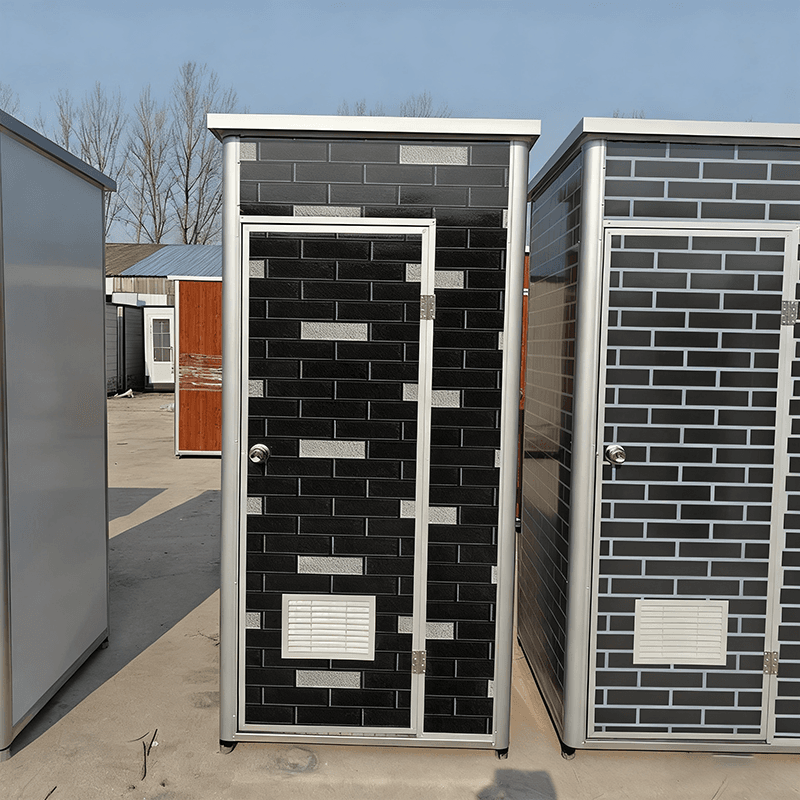
I. Site Selection Requirements
The placement of mobile toilets must meet three criteria: safety, convenience, and hygiene. Firstly, they should be located away from hazardous construction areas, such as high-altitude work zones, heavy machinery operation zones, or material storage areas, to prevent toilet tipping or accidental injuries to personnel due to construction activities. Secondly, a flat and solid ground should be chosen to ensure good stability after toilet placement, avoiding structural damage caused by ground subsidence or tilting. Additionally, ventilation is a crucial consideration; toilets should be placed in downwind or well-ventilated areas to prevent odor accumulation from affecting the construction environment and reduce the risk of bacterial growth.
II. Installation Process
The installation of mobile toilets is centered around convenience, typically requiring no complex foundation work. The main structure (such as polyethylene or steel plate shells) is pre-assembled in the factory, and only the following steps need to be completed on-site:
- Positioning and Fixing: After moving the toilet to the selected location, secure it with ground anchors or counterweights to prevent displacement due to wind or human collision.
- Pipeline Connection: If equipped with a flushing system, connect the water supply pipeline; if it is a waterless toilet, ensure the waste storage tank is well-sealed to prevent leakage.
- Function Testing: After installation, check whether the toilet, ventilation system, lighting, and handwashing facilities are functioning properly to ensure no blockages or electrical faults.
III. Maintenance Management
To ensure the long-term effectiveness of the toilets, a regular inspection and maintenance mechanism should be established:
- Cleaning and Consumable Replenishment: Clean the waste storage tank according to usage frequency (e.g., daily or every two days), replace consumables such as toilet paper and hand soap, and disinfect the toilet and floor.
- Structural Inspection: Regularly check for damage to the outer shell and loose fixing devices, promptly repairing potential safety hazards.
- Ventilation Optimization: Clear debris from ventilation openings to ensure smooth air circulation and reduce odor concentration.
IV. Supporting Service Models
Drawing on experience from Inner Mongolia, mobile toilet rental services can provide systematic solutions, including standardized waste removal and centralized professional treatment. The service provider will develop an inspection plan based on the construction period and usage intensity, and equip professional vehicles for waste transportation to avoid secondary pollution. This model is particularly suitable for construction sites with long durations or high personnel density, significantly reducing the management costs for the construction party.



