Meizhou Prefabricated Houses
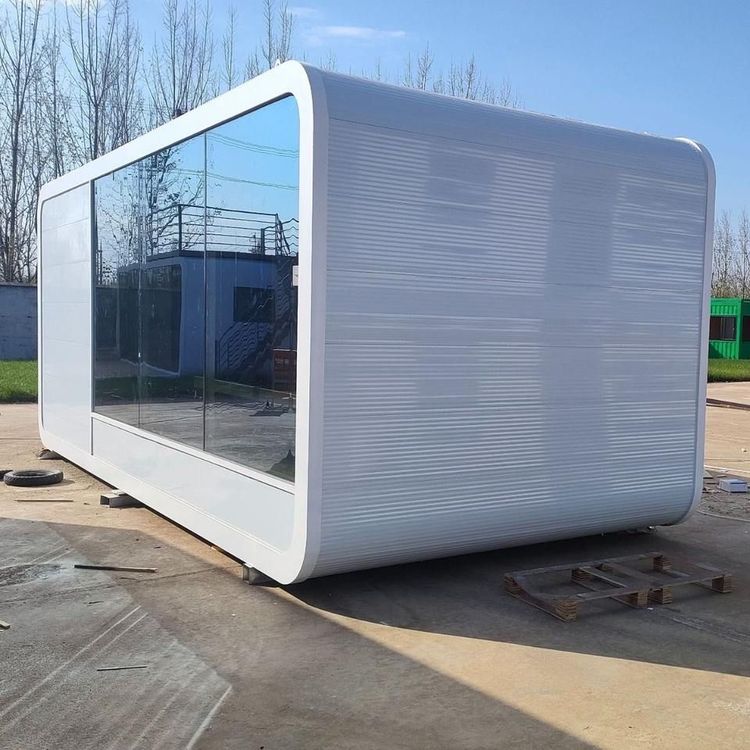
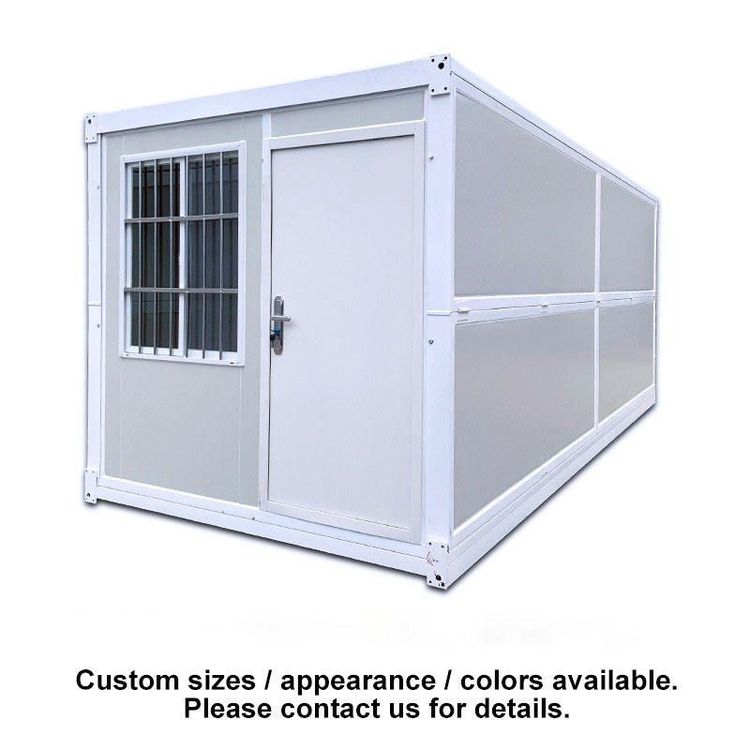
Meizhou prefabricated houses mainly include two types: box-type houses and packing-box houses. They are characterized by rapid construction and flexible applications, suitable for various scenarios such as temporary offices, tourism facilities, and agricultural facilities.
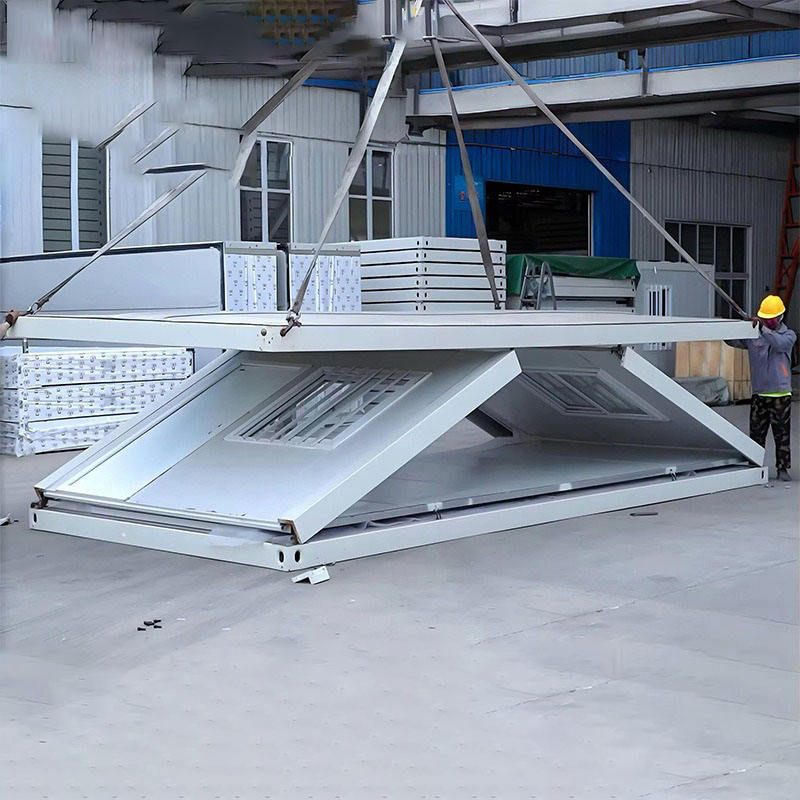
I. Types and Construction Box-type houses use steel as the main structural frame, paired with metal sandwich wall panels (filled with insulation materials), waterproof and durable roof panels, and door and window fittings. All modules are prefabricated in the factory and then transported to the site for assembly. Packing-box houses also adopt a modular design, with the box structure, wall insulation, pre-embedded water and electricity pipelines, and interior decoration completed in the factory. Each box is an independent steel structural module equipped with complete doors and windows and basic facilities, allowing for rapid combination into building spaces through on-site hoisting and assembly.
II. Application Scenarios
- Temporary Office Spaces: When rapid construction of office and living areas is required in engineering projects, box-type and packing-box houses can meet short-term needs with a short assembly period (usually completed within a few weeks).
- Tourism Facilities: Meizhou scenic spots utilize their mobility and minimal environmental impact to construct temporary accommodations or service points, such as tourist reception centers and homestays.
- Agricultural Facilities: They serve as tool storage rooms or temporary processing sites, adapting to the flexible space requirements of agricultural production.
III. Advantages Over Traditional Buildings
- Construction Efficiency: Prefabricated houses adopt a 'factory manufacturing, on-site assembly' model, with main structural production unaffected by weather, ensuring stable and controllable quality. On-site work is reduced by about 70%, and the construction period is shortened to one-third of that of traditional buildings.
- Materials and Environmental Protection: They primarily use steel, with a recyclability rate of over 90%, aligning with the concept of resource recycling. Traditional buildings rely on on-site wet construction, which tends to generate a large amount of construction waste.
- Flexibility and Adaptability: Prefabricated houses can be relocated as a whole and reused, with space layouts adjustable according to needs. Traditional buildings have fixed functions, making renovation or expansion costly.
- Project Controllability: Prefabricated houses shorten the construction period through parallel production, improving schedule accuracy by over 50%. Traditional buildings are subject to uncertainties in site conditions and weather, leading to higher schedule variability.
IV. Limitations Box-type houses require additional reinforcement in sound insulation and thermal insulation, such as increasing the thickness of rock wool panels or using double-layer wall panels, to adapt to Meizhou's climate conditions of high temperatures in summer and cold and dampness in winter.