
Meihekou Mobile Toilet Installation
When installing mobile toilets in Meihekou, it is essential to focus on six core aspects: supplier selection, material weather resistance, welding process, insulation performance, customization capabilities, and transportation and installation convenience.
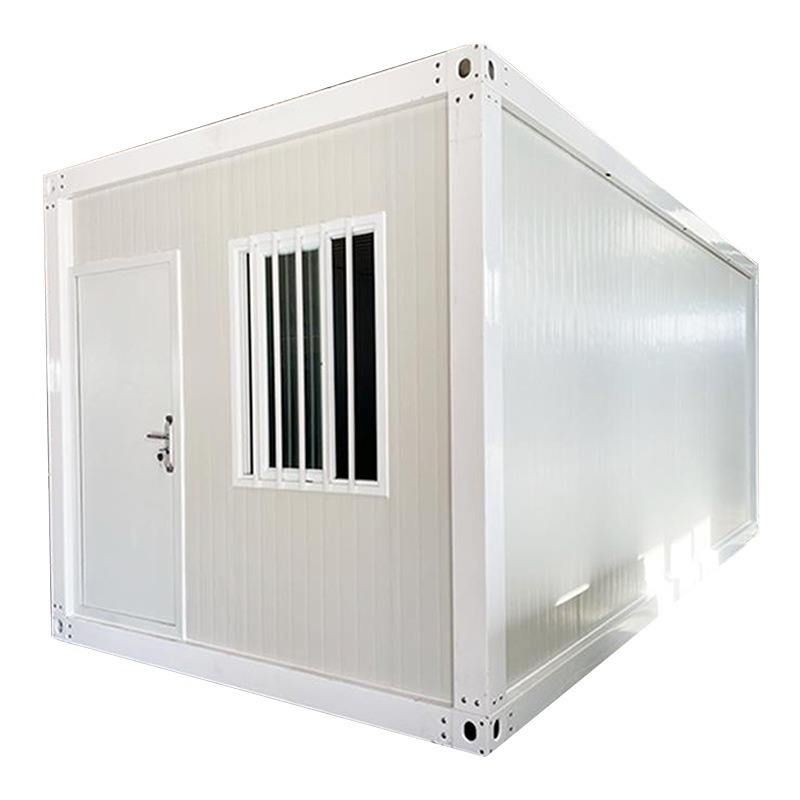
1. Supplier selection should prioritize integrated service capabilities
Opt for suppliers that offer comprehensive services covering design, production, and installation, such as Shenyang Jintongchuang Traffic Facilities Engineering Co., Ltd. These companies, with over 10 years of industry experience, can provide customized solutions tailored to Meihekou's diverse site conditions (e.g., restrictions on water and electricity access, spatial layouts), thereby avoiding post-installation modifications due to design flaws or installation errors.
2. Materials must withstand Northeast China's extreme climate
In Northeast China, where winters are harsh (-30°C or below) and summers are rainy with high humidity, corrosion-resistant and aging-resistant materials are essential. Galvanized steel plates or stainless steel are recommended for the main structure, with the exterior treated with stone-like paint or fluorocarbon paint. These materials offer superior weather resistance compared to ordinary paint, effectively resisting rain, snow erosion, and UV aging, thereby extending service life.
3. Welding process and structural strength must meet standards
Require manufacturers to use full-penetration welding and inspect welds for smoothness and the absence of pores. Full-penetration welding combined with secondary reinforcement ensures structural integrity under extreme weather conditions such as strong winds and heavy snow. For large mobile toilets, special attention should be paid to frame load-bearing design to prevent safety hazards caused by insufficient structural strength.
4. Insulation and heat insulation performance must meet seasonal requirements
In winter, insulation rock wool or polyurethane panels should be installed internally, with double-glazed windows to maintain indoor temperatures within a comfortable range. In summer, heat-insulating materials should be used to reduce heat transfer and prevent internal stuffiness. Before purchasing, clarify whether the manufacturer provides temperature test reports or simulation data.
5. Customization capabilities must match scenario requirements
Different scenarios (e.g., tourist attractions, commercial areas, temporary events) have varying functional and aesthetic requirements for mobile toilets. Confirm whether the manufacturer supports customization of details such as size, color, window placement, and sewage outlet location. For example, tourist attractions can incorporate antique-style exteriors that blend with the surrounding environment, while commercial areas can add barrier-free facilities or intelligent ventilation systems.
6. Transportation and installation convenience must be planned in advance
For large mobile toilets, consider modular design to reduce transportation costs, ensuring that joints are sealed (e.g., with waterproof tape or welded seals). When purchasing, inquire whether the manufacturer provides full-vehicle transportation services and on-site installation guidance to avoid issues such as water leakage or tilting due to improper installation.



