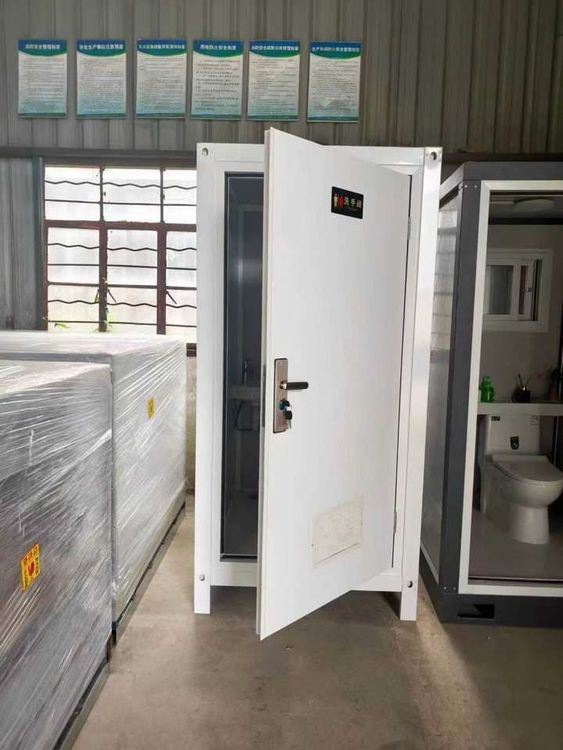
Maximum Size of Mobile Toilets
The maximum size of mobile toilets varies depending on the type. Among them, the box-type mobile public toilets have relatively large size limits, with lengths exceeding 6 meters and widths exceeding 2.5 meters, but the height information is not clearly specified. The length of double-occupancy mobile toilets can reach 6.8 meters, while the width and height are also not clearly stated.
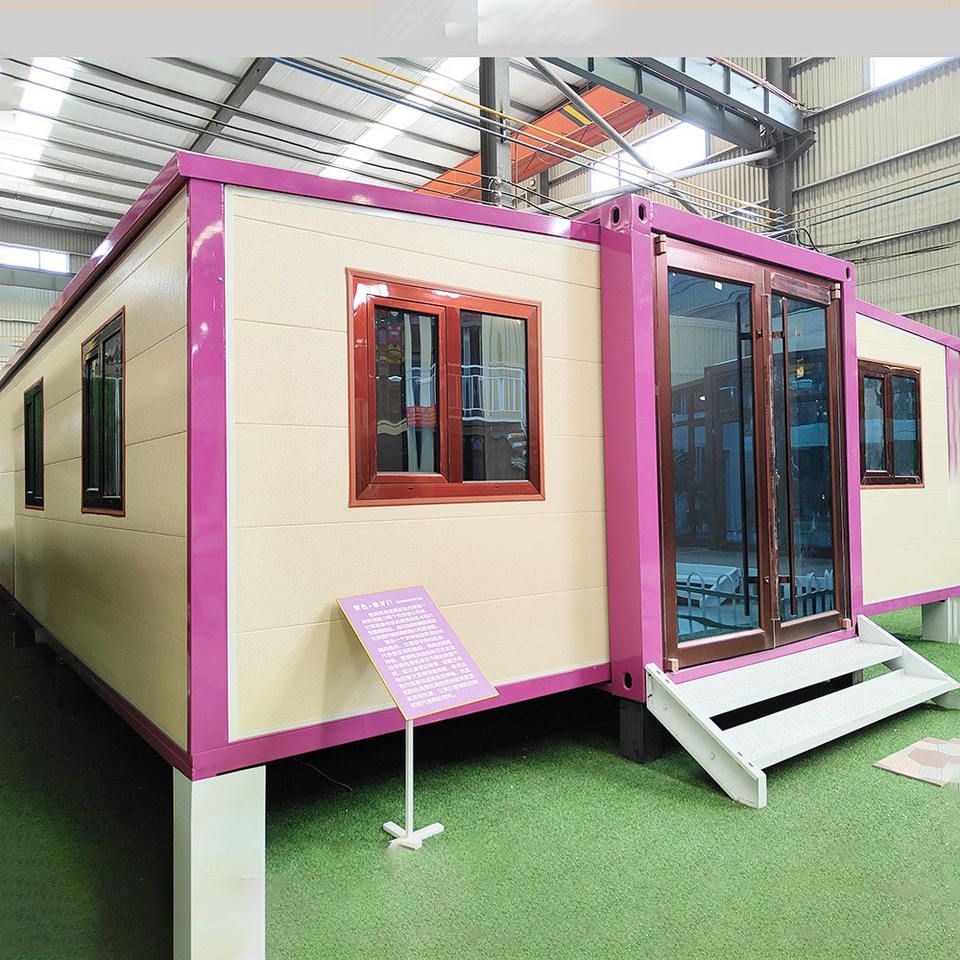
Maximum Size of Box-Type Mobile Public Toilets
Box-type mobile public toilets are a relatively common type of mobile toilet, with a design that emphasizes functionality and space utilization. According to available information, the length of these toilets can exceed 6 meters, which means their interior space is relatively spacious and can accommodate multiple functional areas. In terms of width, they can reach over 2.5 meters, further ensuring the rationality of the interior layout. In terms of interior configuration, box-type mobile public toilets may include multiple male and female toilet stalls to meet the needs of different groups of people. At the same time, they may also be equipped with accessible toilets and management rooms, reflecting care for special groups and the improvement of management functions. However, at present, there is no clear publicly available data on the height of box-type mobile public toilets, which may be related to factors such as the designs of different manufacturers, transportation restrictions, and usage scenarios.
Maximum Size of Double-Occupancy Mobile Toilets
Double-occupancy mobile toilets are another common type of mobile toilet, with a design that focuses more on compactness and portability. According to available data, the length of double-occupancy mobile toilets can reach 6.8 meters, which is a relatively large size among mobile toilets. However, similar to box-type mobile public toilets, the width and height information of double-occupancy mobile toilets is not clearly specified. This may be because the design of double-occupancy mobile toilets places more emphasis on meeting basic usage needs, while optimizing the size according to actual usage scenarios and transportation conditions.