Materials for Producing Portable Toilets
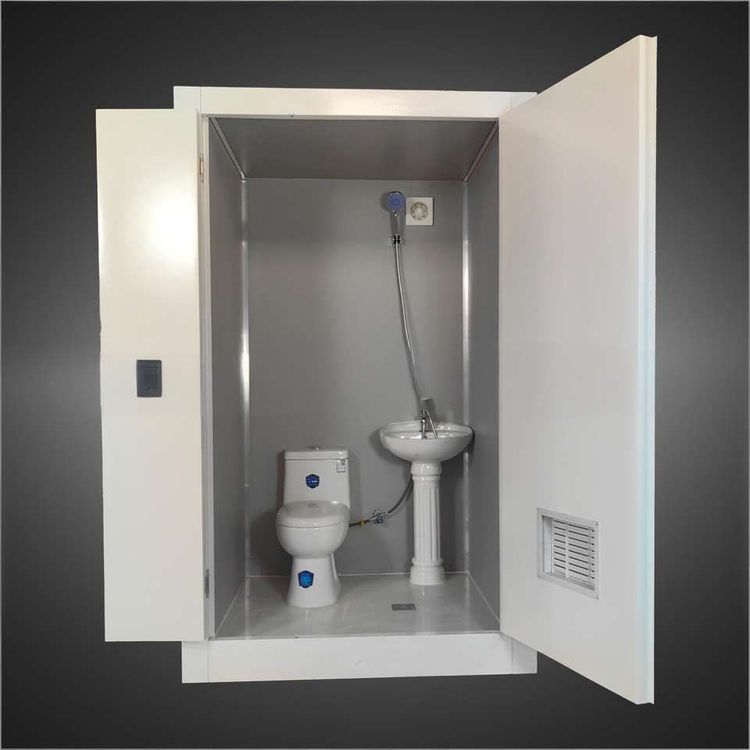
The main materials for producing portable toilets include high-quality galvanized square tubes, galvanized steel sheets, epoxy resin, glass fiber, anti-slip tiles, bamboo-wood fiber boards, and colored reinforced fiberglass-reinforced plastics, among others. Different materials play crucial roles in terms of structure, functionality, and durability.

Metal Frame Materials The main frame of portable toilets is typically made of high-quality galvanized square tubes and galvanized steel sheets. The galvanizing process forms a zinc layer on the surface of the steel, effectively isolating it from air and moisture, preventing rust and corrosion, and extending the structural lifespan. High-temperature powder coating on the surface further enhances protective properties, making the frame resistant to ultraviolet rays and wear, while also improving its aesthetic appearance. These materials are strong and have high load-bearing capacity, enabling them to support the overall structure of the toilet and adapt to complex outdoor environments.
Fiberglass-Reinforced Plastic Composite Materials The core materials of fiberglass-reinforced plastic portable toilets are a composite structure of epoxy resin and glass fiber. Epoxy resin serves as the matrix material, providing adhesion and chemical stability; glass fiber enhances material strength through weaving or chopping. After combination, they are molded into integrated sanitary facilities through a one-piece molding process, resulting in a smooth and flat surface that never rusts and exhibits excellent corrosion resistance and durability, making them particularly suitable for humid or chemically contaminated environments. Additionally, colored reinforced fiberglass-reinforced plastics are used for molding the base and wall panels, achieving color durability through the addition of pigments while maintaining material lightweight and high strength.
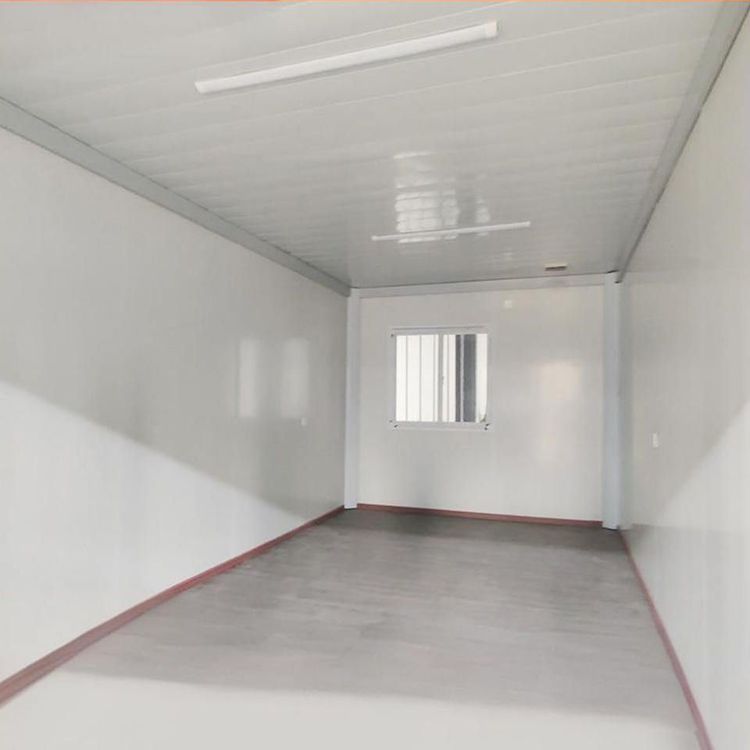
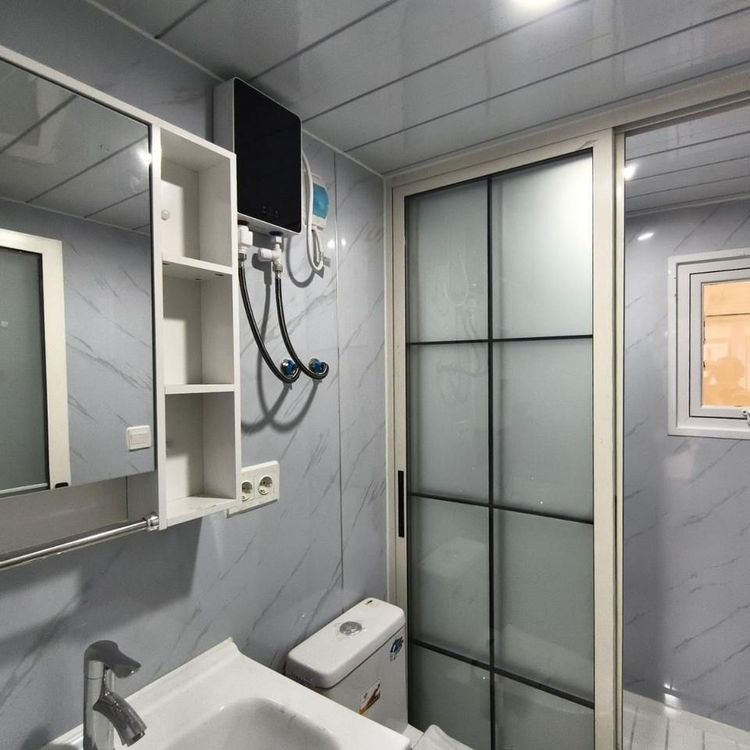
Internal Decorative Materials The choice of floor and wall materials directly affects the user experience and maintenance convenience. Anti-slip tiles are widely used for internal floors, with their surface texture design increasing friction to reduce the risk of slipping while being easy to clean and disinfect. Wall materials often adopt bamboo-wood fiber boards, which are made from bamboo-wood fibers as the base material and molded through high-temperature extrusion. They possess moisture-proof, fire-resistant, and environmentally friendly properties, and are easy to install, quickly covering the walls and enhancing the aesthetic appeal of the space.
Functional Adaptability Different material combinations can meet diverse needs. For example, the combination of metal frames and fiberglass-reinforced plastic composite materials endows portable toilets with both structural stability and corrosion resistance; the pairing of anti-slip tiles and bamboo-wood fiber boards balances practicality and comfort. The application of colored reinforced fiberglass-reinforced plastics further expands design flexibility, allowing for customization of appearance according to scenario requirements and enhancing visual harmony in public spaces.