
Materials for Men's Portable Toilets
The material selection for men's portable toilets is diverse, with different parts using different materials to meet functional requirements. Common materials include those for the cabinet, interior panels, roof structure, and flooring.
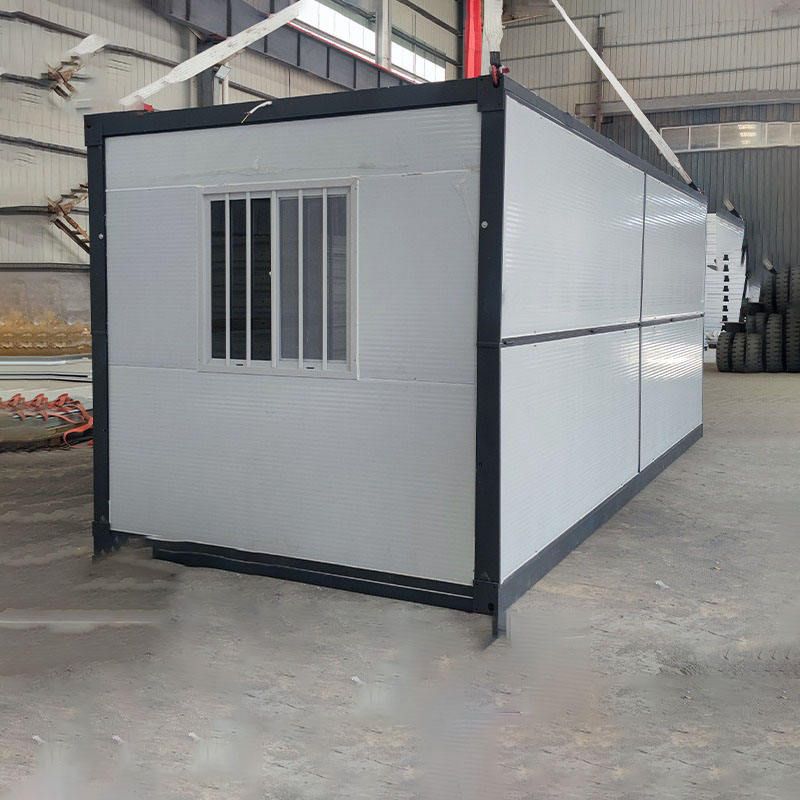
The cabinet material is the foundational structural material for portable toilets, directly affecting their durability and applicable scenarios. Common cabinet materials include galvanized steel sheets and aluminum alloys. Galvanized steel sheets form a protective layer through surface galvanization, offering excellent rust resistance, especially suitable for coastal areas or environments with high humidity, effectively extending service life. Aluminum alloys are renowned for their lightweight nature, with a density about one-third that of steel, facilitating frequent transportation and installation, suitable for temporary events, construction sites, and other scenarios requiring rapid deployment. Both materials require anti-corrosion treatment to ensure stability when exposed to outdoor environments for extended periods.
The interior panels directly impact user experience and hygiene conditions. Antibacterial composite materials are a mainstream choice, with their surfaces treated with antibacterial agents or special processes to inhibit bacterial growth, reduce odor retention, and possess easy-to-clean properties, lowering maintenance costs. Bamboo-wood fiber boards are an eco-friendly material, made from bamboo powder, wood powder, and resin through high-temperature extrusion, offering advantages such as moisture resistance, fire resistance, and formaldehyde-free properties, with a surface that can exhibit a wood grain texture, enhancing aesthetics, suitable for scenarios with high environmental requirements.
The roof structure needs to balance drainage and thermal insulation functions. Some designs adopt sloped roofs, using the inclination angle to guide rainwater to drain quickly, avoiding leakage issues caused by water accumulation. Double-layer thermal insulation structures block heat transfer through air layers or thermal insulation materials (such as polystyrene foam boards), effectively coping with high-temperature or severe cold weather, maintaining a comfortable internal temperature.
The core requirements for flooring materials are slip resistance and durability. Anti-slip tiles are a common choice, with their surfaces treated with concave-convex textures or anti-slip coatings to increase friction, reducing the risk of slipping, especially suitable for the elderly or children. Some high-end models may use anti-slip floor rubber or stone materials to further enhance safety and wear resistance.
The combination of different materials should be comprehensively considered based on usage scenarios, budget, and maintenance requirements. For example, humid areas should prioritize galvanized steel sheet cabinets, temporary events can opt for lightweight aluminum alloy designs, and eco-friendly projects are more suitable for sustainable materials like bamboo-wood fiber boards.



