
Materials for Household Portable Toilets
Common materials for household portable toilets include metal materials, plastic/composite materials, wooden materials, and other special materials. The specific choice should be based on a comprehensive assessment of durability, corrosion resistance, cost, and usage scenarios.
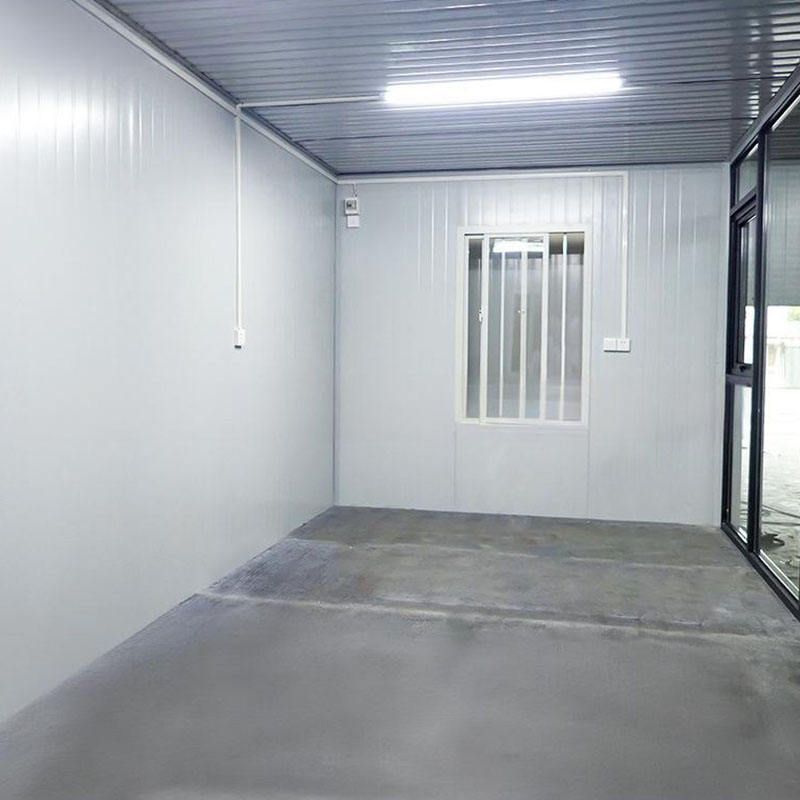
Among metal materials, aluminum alloy is a mainstream choice due to its lightweight nature (with a density only one-third that of steel) and strong corrosion resistance. Its surface can be further enhanced for rust prevention through oxidation treatment or fluorocarbon spraying, making it suitable for frequent movement or humid environments. Stainless steel offers extremely strong corrosion resistance but comes at a higher cost (approximately 1.5-2 times that of aluminum alloy) and is difficult to process, typically used only for small components like water tanks and pipes in coastal or high-humidity scenarios.
Among plastic/composite materials, PVC panels are characterized by waterproofing, moisture resistance, and ease of cleaning. They have a low density (1.4-1.6g/cm³) and are cost-effective (50-150 yuan per square meter), but it is essential to choose products that comply with environmental standards like RoHS to avoid the release of harmful gases. Fiberglass-reinforced plastic (FRP), composed of resin and glass fibers, has a strength close to that of steel but weighs only one-fourth to one-third as much. It is corrosion-resistant, aging-resistant, and has excellent thermal insulation properties, but its surface is prone to scratches and has high repair costs, requiring regular maintenance, making it suitable for long-term usage scenarios.
Among wooden materials, pressure-treated wood can be used for interior decoration or exterior frames after pressurization treatment. It has a natural texture but requires regular application of anti-corrosion coatings and may deform in high-humidity environments, making it suitable for scenic spots, homestays, and other scenarios with high aesthetic requirements. Ecological wood, composed of wood powder and plastic, offers better waterproofing and insect resistance than natural wood but has poor heat resistance and costs approximately 1.2-1.5 times that of pressure-treated wood, making it suitable for scenarios that pursue a natural style but have a limited budget.
Among other materials, rock wool sandwich panels are used for roofs or partitions. Filled with rock wool (with a density of at least 80kg/m³), they effectively provide sound insulation, thermal insulation, and have a fire rating of Class A, making them suitable for crowded areas. High-density polyethylene (HDPE) panels have high strength, impact resistance, and UV resistance, commonly used for bottom and exterior decoration, with a price of approximately 200-500 yuan per square meter, making them suitable for temporary or short-term usage scenarios.
Usage Scenario Recommendations: For long-term use with a focus on structural stability, a combination of an aluminum alloy frame and PVC panel interior decoration is recommended. When the budget is sufficient and high hygiene standards are required, stainless steel is more appropriate. In temporary or short-term usage scenarios, plastic materials like polyethylene, which are lightweight, cost-effective, and easy to transport, can serve as an economical and practical choice.



