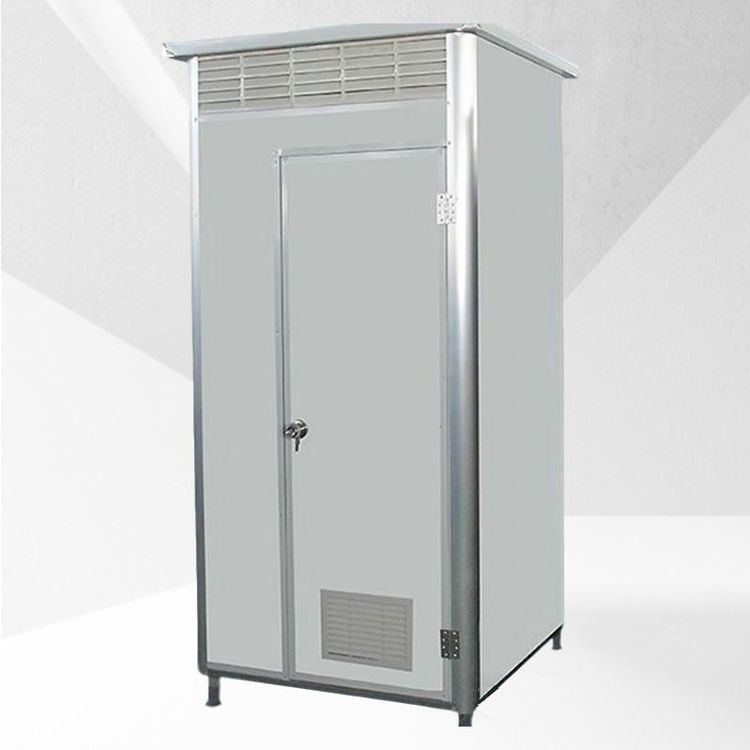
Market for Mobile Toilets and Kiosks
The market for mobile toilets and kiosks is experiencing rapid growth, driven by multiple factors such as urbanization, environmental policies, the concept of prefabricated buildings, and consumer upgrades, presenting trends of technological advancement, scenario expansion, and diversified demand.

1. Urbanization and Cultural Tourism Upgrades Drive Rigid Demand
As China's urbanization rate surpasses 65%, urban governance demands more refined municipal infrastructure. Public toilets, as important windows of urban civilization, directly impact residents' living experiences and tourists' impressions. Meanwhile, the all-for-one tourism strategy promotes upgrades in toilet facilities at scenic spots and parks. Mobile toilets, characterized by short construction periods, flexible layouts, and minimal environmental disruption, have transitioned from temporary emergency facilities to regular configurations. For example, at large events, temporary transportation hubs, or remote scenic spots, mobile toilets can be rapidly deployed to meet peak demand, serving as effective supplements to traditional fixed toilets.
2. Stricter Environmental Policies Drive Technological Iteration
The ecological protection redline policy imposes strict constraints on the sewage discharge issues of traditional flush toilets, especially in sensitive areas such as nature reserves and water sources, where eco-friendly mobile toilets have become mainstream. Technologies such as packing, microbial degradation, and foam sealing address pollution issues in traditional toilets through harmless treatment, zero emissions, or resource utilization. For instance, microbial degradation technology converts excreta into organic fertilizer for recycling, while foam sealing reduces odors with a small amount of water mixed with foam, suitable for water-scarce environments. These technological iterations have propelled the industry from merely addressing availability to achieving green efficiency.
3. The Concept of Prefabricated Buildings Empowers Product Upgrades
The industrialized model of prefabricated buildings profoundly influences the mobile toilet industry, with factory prefabrication and on-site hoisting significantly shortening construction periods and reducing construction waste. Modular design allows products to be flexibly combined to meet different scale requirements, such as triple and quintuple units, adapting to diverse scenarios from construction sites to cultural tourism campsites. Enterprises with independent R&D capabilities enhance competitiveness through core technologies (e.g., lightweight materials, intelligent control systems), such as using fiberglass or aluminum alloy to reduce weight or integrating temperature and humidity regulation and automatic cleaning functions to improve user experience.
4. Demand for Specially Designed Mobile Toilets Shifts Towards 'Aesthetic and Practical'
Specially designed mobile toilets are transitioning from single functionality to integration of practicality and landscape value, primarily applied in natural scenic spots, theme parks, and municipal public spaces. Purchasers are no longer satisfied with mere usability but pursue both functionality and aesthetics, such as designs mimicking wood grain or stone that harmonize with the surrounding environment or cultural elements (e.g., regional patterns, themed IPs) to enhance scene appeal. This trend reflects the aesthetic requirements for public facilities driven by domestic tourism consumption upgrades and refined urban management.