Market Analysis of Container Houses
The container house market is experiencing rapid growth, with continuously expanding application scenarios and significant differences in regional market patterns, but it also faces challenges such as product upgrades and tariff impacts.

Market Size and Growth Trends
The Chinese container-type modular building market is growing rapidly and is expected to exceed 80 billion yuan in scale by 2026, with a compound annual growth rate of over 15%, primarily driven by rural revitalization, cultural and tourism projects, and temporary labor demands. The global market for expandable container houses is projected to reach $820 million in sales by 2025 and increase to $1.089 billion by 2032, with a compound annual growth rate of 4.2% from 2026 to 2032. Mature markets like North America and Europe are expected to maintain stable growth, while emerging markets hold untapped potential.
Market Drivers
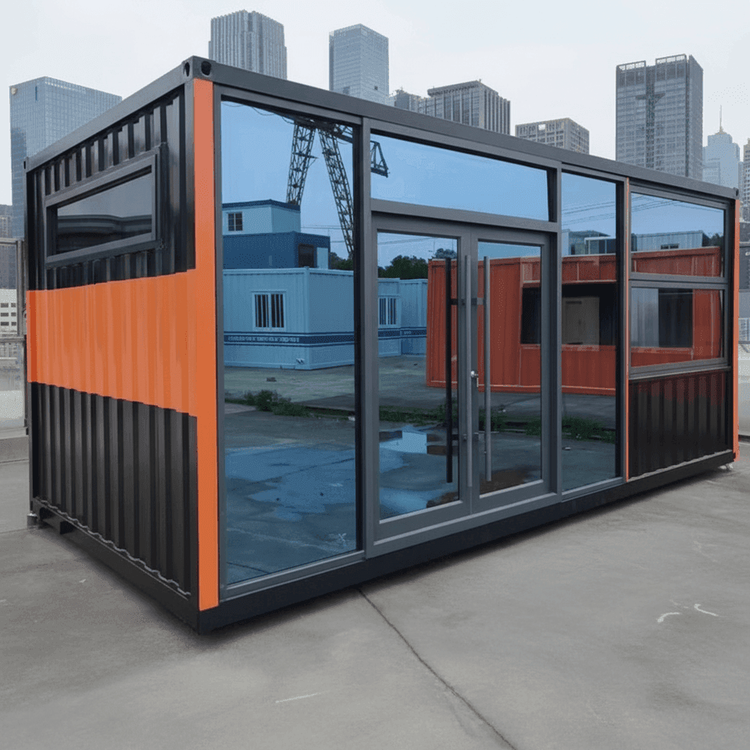
Expanding application scenarios are the core driving force: In infrastructure projects, the use has shifted from traditional temporary construction site buildings to commercial pop-ups, cultural and tourism homestays, personal amenities, and other scenarios. In commercial formats, there has been a surge in demand for mobile retail stores and pop-up exhibition halls. The cultural and tourism industry is promoting the application of网红 (internet-famous) homestays in scenic spots. Personal users are showing increased demand for personalized spaces such as small courtyard accessory houses. Upgrading user demands are prompting products to shift from being merely 'usable' to 'user-friendly, durable, compliant, and aesthetically pleasing.' Performance parameters, scenario adaptability, qualification certifications, and whole-life-cycle costs have become key considerations in product selection. Global housing shortages and sustainable development concepts are driving the reuse of scrap containers, with increased acceptance of modular buildings, especially in regions facing significant housing shortages.
Product Types and Demand Structure
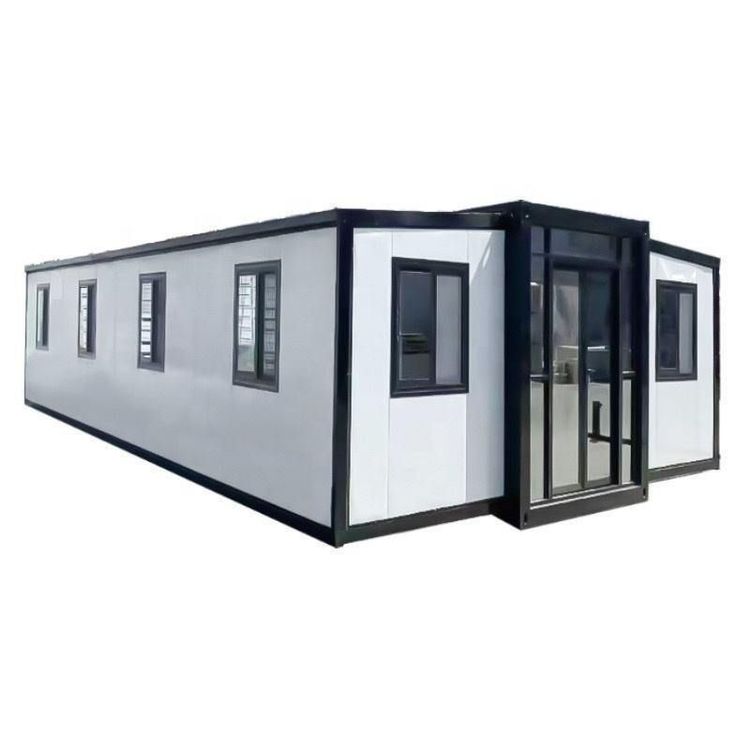
Product specifications are primarily 40-foot containers due to their spacious interiors, which, when expanded, can meet the long-term living needs of families. Twenty-foot products are mostly used for single-room offices or temporary storage. In terms of application areas, residential use accounts for the largest share and is growing steadily. Commercial use is growing significantly faster than residential use in North America and Europe. Industrial use is concentrated in temporary on-site offices and storage expansions at construction sites.
Regional Market Patterns
North America is the largest consumer market, with balanced demand for residential and commercial uses. Modular buildings are well-recognized, and the leasing system is well-established. Europe is seeing accelerated penetration in the residential sector in countries like Germany and the UK, driven by sustainable building policies. China is experiencing the fastest market changes, with continuously expanding application scenarios. Companies such as Weifang Huizhi and Guangdong Zhonghui Lvjian have developed strong production capacities and export capabilities. Japan is seeing a gradual release of demand for urban micro-housing due to scarce land resources.
Industry Trends and Challenges
The rise of modular buildings is driving the transformation of containers from transportation tools to modern integrated spaces, with application scenarios expanding to parks, scenic spots, new energy sites, and urban emergency response. Demand for product upgrades is prominent, with the market requiring higher standards for structural strength, thermal and acoustic insulation, waterproofing and corrosion resistance, and smart features. There is also growing demand for high-end customization. In terms of tariff impacts, the upgrade of the U.S. tariff system in 2025 poses challenges for companies, necessitating strategies such as optimizing supply chains and enhancing product value-added to cope.