
Marathon Portable Toilet Usage
The use of portable toilets for marathons requires comprehensive consideration from aspects such as placement and distribution, type selection, usage procedures, installation, and maintenance to ensure the toilet needs of participants and environmental hygiene during the event.
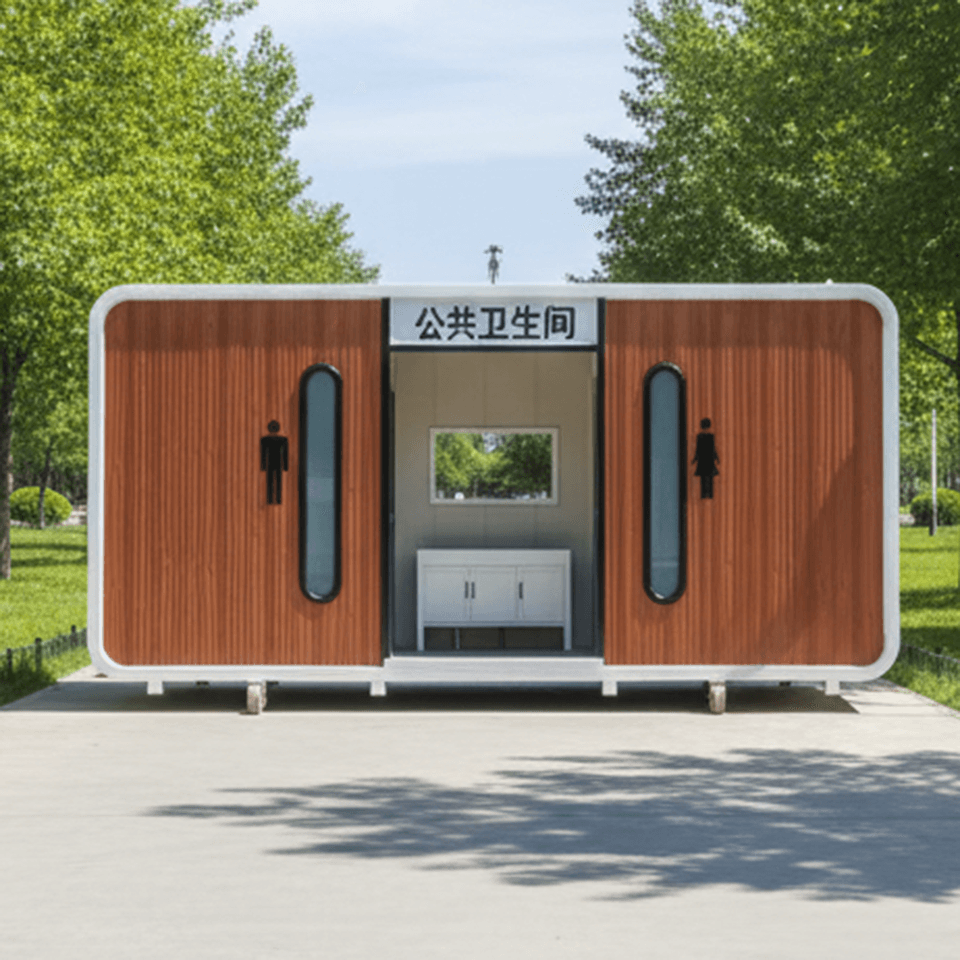
Placement and Distribution: The layout of portable toilets should be calculated based on the peak number of participants, the distribution of race aid stations, and the average usage duration. Typically, one toilet station is set up every 7 to 8 kilometers, with specific locations and quantities referred to in the Participant Guide. Site selection should balance safety and accessibility, prioritizing areas with higher elevation and good drainage, avoiding low-lying areas prone to water accumulation, and being close to aid stations or the finish line to handle high-frequency usage demands. For example, the start/finish area requires an increased proportion of toilet stalls due to concentrated foot traffic.
Type Selection: Choose appropriate technical solutions based on site conditions. Water-flush toilets rely on external water supply and sewage networks, suitable for venues with well-established infrastructure; waterless composting toilets encapsulate waste with biodegradable materials, reducing water dependency and suitable for remote or temporary venues; vacuum suction toilets offer high sewage removal efficiency and water conservation, suitable for long-duration events with high hygiene requirements.
Usage Procedures: Participants must apply for permission from referees to leave the race course for toilet use and must obtain permission again upon returning to continue the race; this process does not result in disqualification. This rule aims to balance participant needs with event order.
Installation and Environmental Adaptability: Outdoor installation requires a level ground surface, with supports or non-slip mats used if necessary to prevent movement. Sufficient space should be reserved around the toilets, with clear signage and barriers installed to guide orderly usage. Additionally, confirm electricity and sewage conditions in advance to ensure proper equipment operation.
Daily Maintenance and Hygiene Management: Cleaning frequency should be adjusted based on foot traffic, with a minimum of 2-3 cleanings per day, and timely replacement of consumables such as toilet paper and hand sanitizer. Increase disinfection frequency in high temperatures to prevent odor spread; inspect structural stability in windy or dusty conditions to prevent facility damage.
Special Weather Response: Install ventilation equipment or sunshades and provide cooling mists in high temperatures; inspect drainage systems before heavy rain, relocate equipment to safe areas if necessary, and provide emergency lighting to ensure safe nighttime use.
Emergency Response and Service Support: The rental party should arrange for dedicated personnel to be on-site, promptly addressing equipment failures or user needs, setting up spare toilets to handle peak foot traffic, and providing a clear service hotline to ensure rapid issue response. For example, the 2026 Harbin Marathon experienced participants relieving themselves by the roadside due to toilets being occupied for shelter and unreasonable distribution, highlighting the importance of emergency plans and dynamic adjustments.



