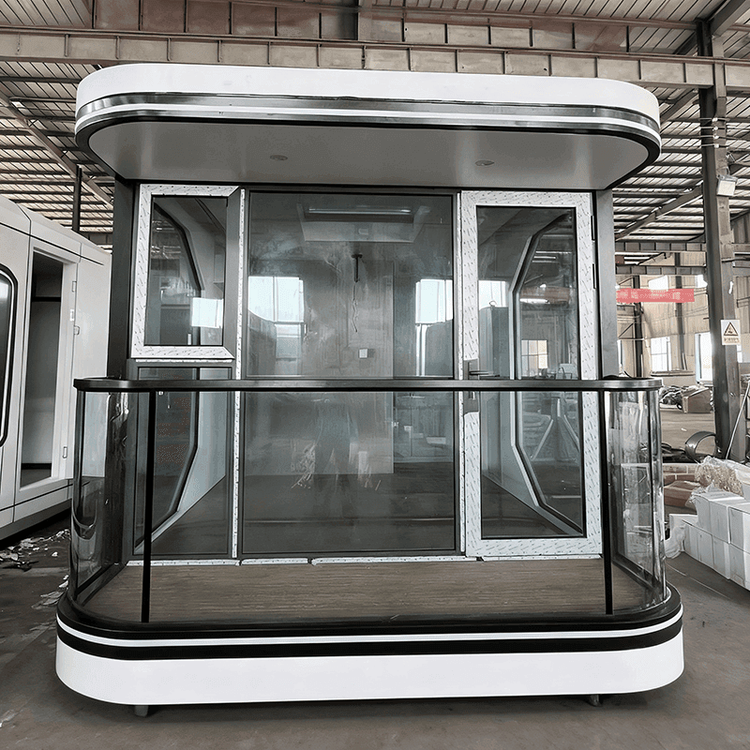
Marathon Mobile Toilet Assembly
The assembly of marathon mobile toilets must follow a scientific and standardized process, covering aspects such as material characteristics, installation preparation, basic specifications, internal design, and acceptance criteria to ensure functionality and safety.
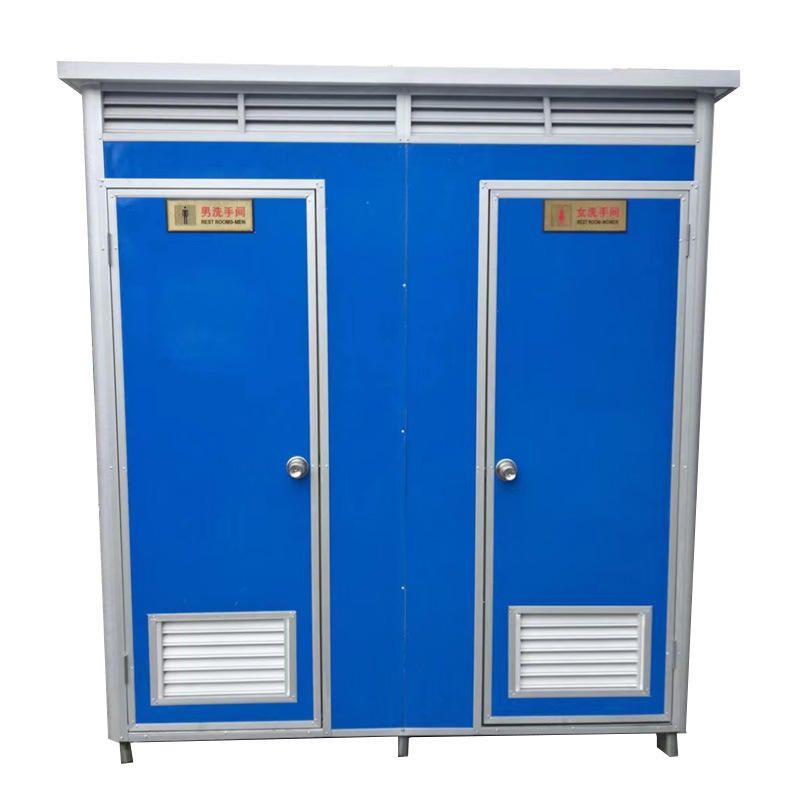
I. Materials and Characteristics
The main body of modern marathon mobile toilets is made of lightweight and high-strength composite materials, which are wind-resistant, rainproof, and corrosion-resistant, enabling them to adapt to complex outdoor environments. Their modular design supports rapid assembly or transportation, meeting the temporary needs of events while also considering environmental protection and durability.
II. Pre-installation Preparation
- Site Planning: It is necessary to confirm the layout positions of the toilets with the event organizers, prioritizing high-demand areas such as the start/finish lines, refreshment stations, and spectator zones.
- Technical Measurement: Technicians from the rental company need to conduct on-site measurements to ensure that the toilets are no more than 300 meters away from the athlete assembly area, avoid areas with dense drainage pipes, and reserve at least a 1.5-meter safety passage to prevent interference with pedestrian flow.
III. Basic Installation Specifications
- Ground Treatment: Level the site and lay anti-slip mats to prevent wet and slippery conditions caused by rainwater accumulation; if the ground is uneven, adjust the levelness through bedding layers.
- Fixing Methods: Choose expansion screw fixing (suitable for hard ground) or counterweight block fixing (suitable for soft ground) according to the site conditions to ensure the wind resistance stability of the toilets.
- Water and Electricity Connection: The sewage pipes must be precisely connected to the municipal sewer network to avoid leakage; the power supply area should be kept away from water sources to prevent electric shock risks; water and electricity lines should be clearly marked for easy maintenance later.
IV. Internal Design Considerations
- Ventilation and Deodorization: Equipped with automatic flushing systems, foot-operated handwashing stations, and biodegradation treatment units to reduce odors; high-end models integrate solar lighting and ventilation fans to reduce energy consumption and enhance the user experience.
- Humanized Configuration: The internal space should meet the comfortable use of a single person, and details such as door locks and hooks should be designed in accordance with ergonomics.
V. Installation Acceptance Criteria
- Appearance Inspection: The toilet shell should be free of damage and stains, and signs (such as 'Men', 'Women', 'Accessible') should be clearly visible.
- Function Testing: The flushing system should have sufficient pressure, and the lighting and ventilation equipment should operate without abnormal noise.
- Emergency Preparedness: Each toilet should be equipped with spare toilet paper and hand sanitizer, and a cleaning tool room should be set up for quick maintenance.
By following the above process, marathon mobile toilets can achieve efficient, safe, and environmentally friendly assembly, providing reliable sanitation support for events.