Manufacturer Container Mobile House
The container mobile houses produced by manufacturers are mainly divided into four categories: container-type, foldable-type, assembled-type, and expandable-type. Each type has its own characteristics in terms of structure, purpose, and performance.

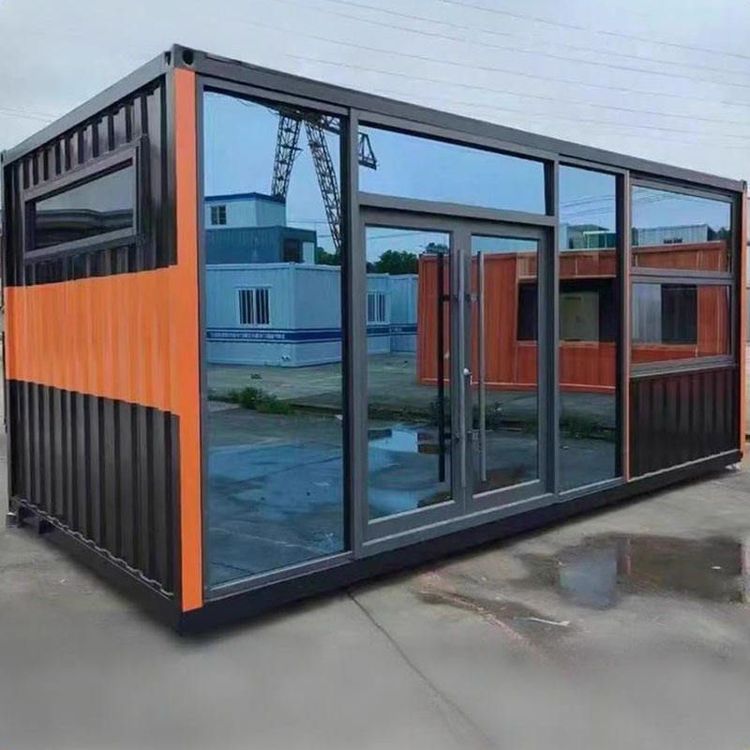
Container-type office houses use standard containers as carriers and are transformed into independent office units. Common specifications are 20 feet and 40 feet, which can be used as a single unit or combined with multiple units. Their advantages lie in their sturdy structure and convenient transportation, making them suitable for scenarios such as project departments and construction site command centers. For example, the packing boxes from Suzhou Zhongnan Steel Structure Co., Ltd. adopt a fully steel structural frame. The measured wind resistance level reaches Grade 12, the earthquake resistance level is Grade 8, and the frame deformation rate is only 0.18%, far lower than the industry's qualified threshold of 0.3%.
Foldable-type office houses adopt a foldable structural design, compressing their volume during transportation and quickly unfolding upon arrival. The unfolding time for a single unit can be controlled within 30 minutes, making them suitable for office needs that require frequent relocation, such as exploration teams and temporary command posts. The foldable containers from Suzhou Zhongnan have a volume after folding that is only 1/5 of the unfolded state. A single truck can carry 20 sets of products at once, offering significant transportation cost advantages.
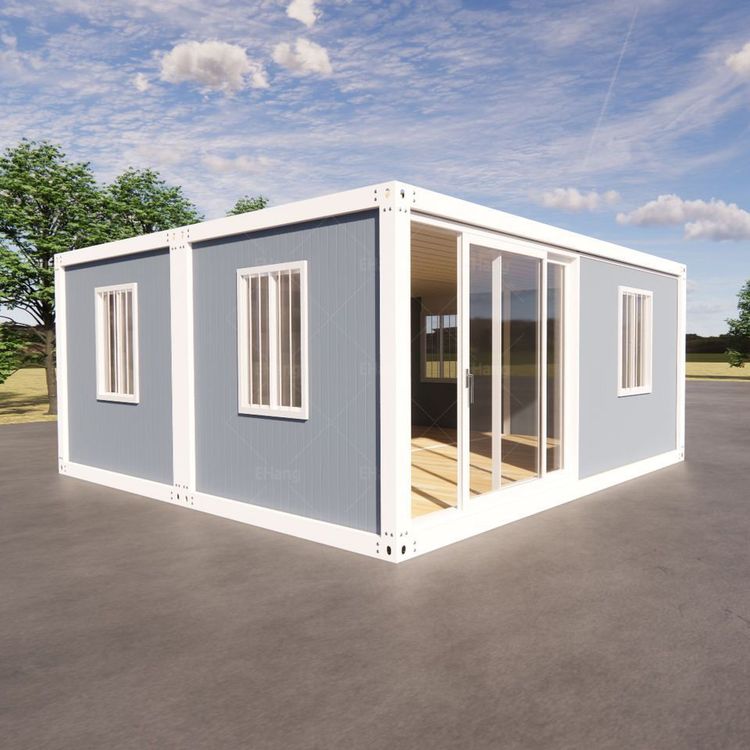
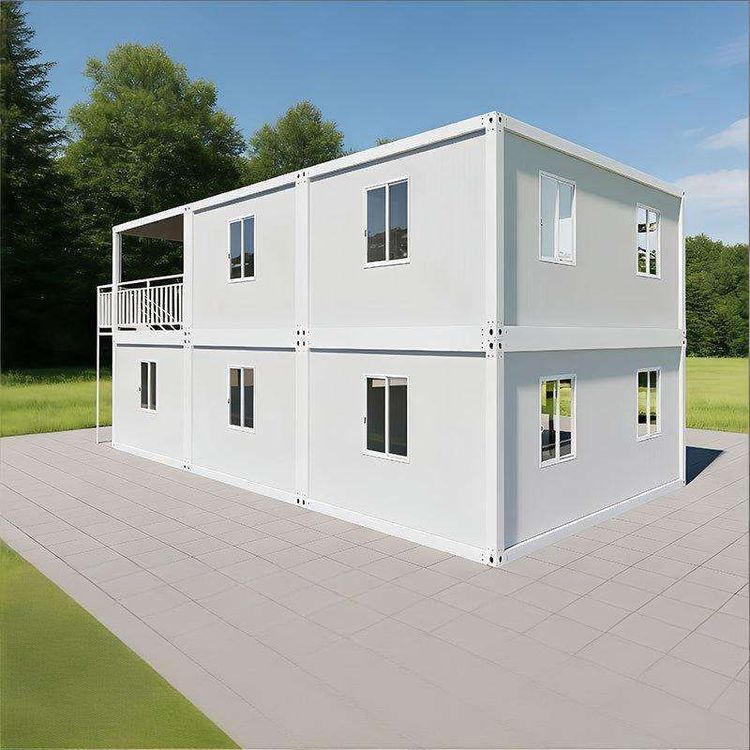
Assembled-type office houses are composed of light steel keels and color steel plates and are assembled on-site in a modular manner. They can be flexibly expanded according to the number of people and functional partitions and are commonly seen in temporary offices in industrial parks and event planning sites. Their characteristic lies in high installation efficiency and short time consumption for a single unit, making them suitable for projects with tight schedules.
Expandable-type office houses add side or end expansion cabins on the basis of containers, increasing the usable area by 30%-50% after unfolding. They are suitable for long-term on-site offices with high requirements for spatial comfort. Their structural stability and expandability are superior to traditional container houses, but their costs are relatively higher.