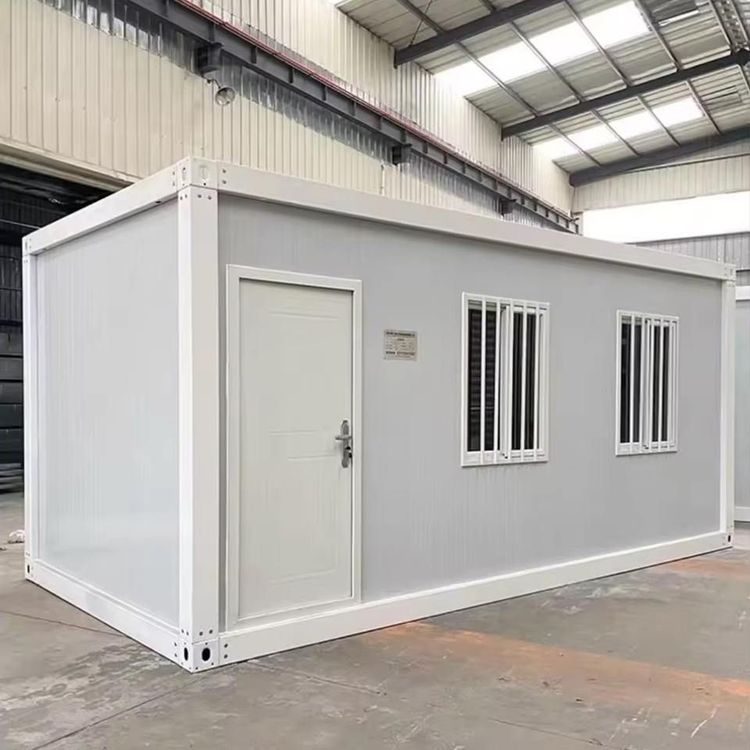
Mancheng Environmental Protection Mobile Toilet
Taking products from the Baoding area as a reference, the Mancheng environmental protection mobile toilet features economic practicality, diverse technologies, and strong adaptability, meeting the needs of various scenarios.

I. Material and Structural Characteristics
The box body of the environmental protection mobile toilet in Mancheng is mostly made of reinforced PP plastic or metal composite panels, which are moderately weighted, durable, and easy to transport and install. The main frame is steel structure, ensuring overall stability; the exterior wall materials can be selected from color-coated steel sheets, metal carved panels, aluminum-plastic panels, or anti-corrosion wood, balancing aesthetics and weather resistance. The product can operate normally within a temperature range of -20℃ to 50℃ and is equipped with insulation layers and anti-freezing valves as standard to prevent pipeline freezing in winter, adapting to the climatic characteristics of northern regions.
II. Flushing Systems and Technical Solutions
According to usage scenarios and water source conditions, the Mancheng environmental protection mobile toilet offers two flushing solutions:
- Water-flushing type: Requires connection to water supply and drainage pipelines, suitable for places with water source access such as scenic spots and parks. Water conservation is achieved through a rainwater collection and filtration system and hand-washing water secondary flushing technology, reducing water consumption.
- Waterless-flushing type: Uses packing bags or microbial degradation technology, eliminating the need for connection to water supply and drainage pipelines, suitable for remote areas such as mountains and campsites. Microbial degradation technology achieves harmless treatment by decomposing excreta, being environmentally friendly and having low maintenance costs.
In addition, some products also adopt foam-sealing technology, using foam to cover the surface of excreta, isolating odors and reducing flushing water volume, further enhancing water-saving effects.
III. Intelligence and Functional Expansion
Some high-end products are equipped with an intelligent system, including a bottom-layer PLC data acquisition system, a 40-inch LED toilet stall monitor, and a 4G remote monitoring module. Users can remotely control lighting and flushing systems and monitor toilet stall usage in real-time through a mobile app, improving management efficiency. These functions are particularly suitable for large-scale events (such as sports events, conferences, and exhibitions) or scenic spots with high foot traffic, effectively alleviating toilet pressure.
IV. Application Scenarios and Adaptability
Environmental protection mobile toilets are widely used in temporary venues (such as entertainment performances, opening ceremonies) and outdoor fixed venues (such as gardens, construction sites, and campsites). Their movable and combinable characteristics enable rapid deployment, meeting sudden demands or seasonal usage scenarios. For example, construction sites in winter can ensure normal operation through insulation design, while tourist attractions can flexibly adjust the number of toilets according to visitor volume.
V. Environmental Protection and Resource Recycling
Through water-saving technologies (such as rainwater collection and secondary flushing) and waterless-flushing solutions, environmental protection mobile toilets significantly reduce water waste. Microbial degradation technology further achieves resource utilization of excreta, reducing environmental pollution and aligning with sustainable development concepts.