
Back to blog
Article
Making Money from Mobile Toilets
Admin September 21, 2026
Making money from mobile toilets can be achieved through various avenues such as leasing, advertising partnerships, value-added services, government subsidies, technological innovation, and management optimization. However, it also faces risks related to compliance, competition, seasonality, costs, and payment terms.
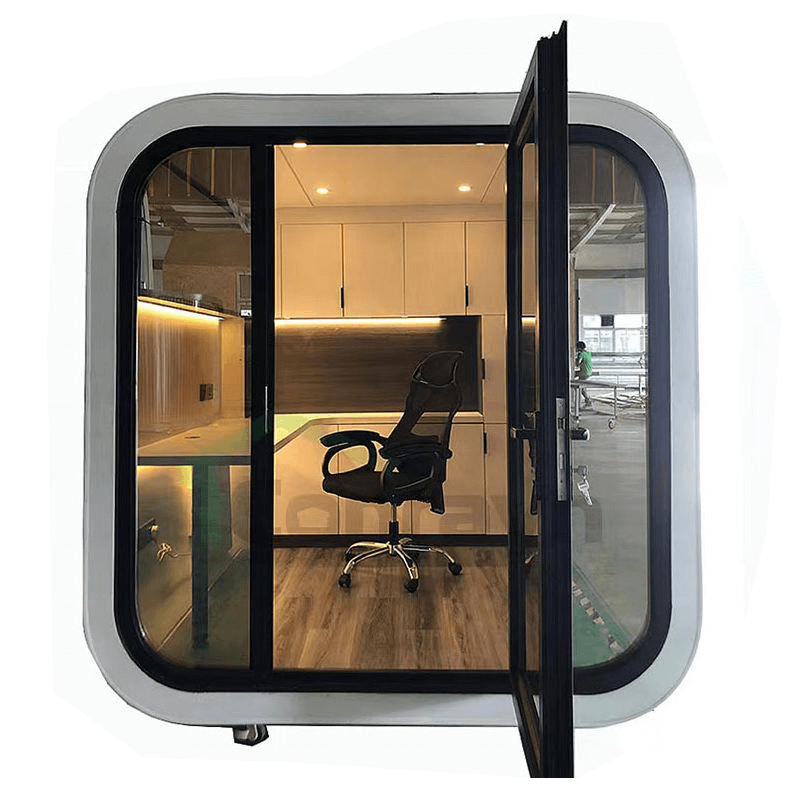
Profit-Making Avenues
- Leasing Income: Mobile toilets can be quickly deployed in commercial districts, parks, tourist attractions, and large events, generating stable income through leasing. For example, construction sites may lease them on a monthly basis, while cultural and tourism attractions can charge higher premiums for short-term leasing during peak seasons. The payment cycle varies depending on the customer type.
- Advertising Partnerships: Utilize the exterior and interior spaces as advertising spots, partnering with brands to earn advertising fees. Creative forms such as printing advertisements on toilet paper can enhance interactivity and strengthen the brand image.
- Value-Added Services: Offer sales of daily necessities like tissues and beverages, or paid services such as personal care and baby diaper changes to meet diverse needs and increase income sources.
- Government Subsidies: In some regions, governments provide subsidies and incentives to entrepreneurs in the mobile toilet sector to encourage the construction of public facilities, reducing initial investment costs.
- Technological Innovation and Management Optimization: Introduce intelligent management systems and eco-friendly energy-saving technologies to enhance user experience and environmental performance. Strengthen cleaning, maintenance, and safety management to reduce operational costs and improve customer satisfaction and loyalty.
Core Risks and Challenges
- Compliance Thresholds: Waste disposal requires coordination with qualified units and the establishment of disposal records. Strict sewage control and failure to coordinate with sanitation/sewage treatment units may result in environmental penalties. Waste disposal vehicles and qualifications are key barriers.
- Industry Homogenization and Low-Price Competition: There are numerous manufacturers of ordinary simple mobile toilets, resulting in low profits from equipment sales. It is necessary to differentiate through operational and maintenance services or eco-friendly/intelligent products.
- Seasonal Fluctuations: Events and tourism are concentrated in spring, summer, and autumn, leading to reduced orders in winter and off-seasons. Leasing businesses face vacancy costs and equipment depreciation. Construction site orders are relatively stable, but overall income is significantly affected by seasons.
- High Operational Costs: These include equipment depreciation, waste disposal vehicles, labor for cleaning, consumables, repairs, transportation, and hoisting, as well as risks of odor complaints and neighbor disputes. When starting with a small batch, the cost per unit is higher.
- Customer Payment Term Issues: Municipal and large project clients have longer payment cycles, requiring upfront financing for operations and imposing high demands on cash flow.



