Main Materials for Container Houses
The main materials for container houses include steel, aluminum alloy, sandwich panels, glass, plastics, and auxiliary structural components, among others. Here is a detailed introduction:

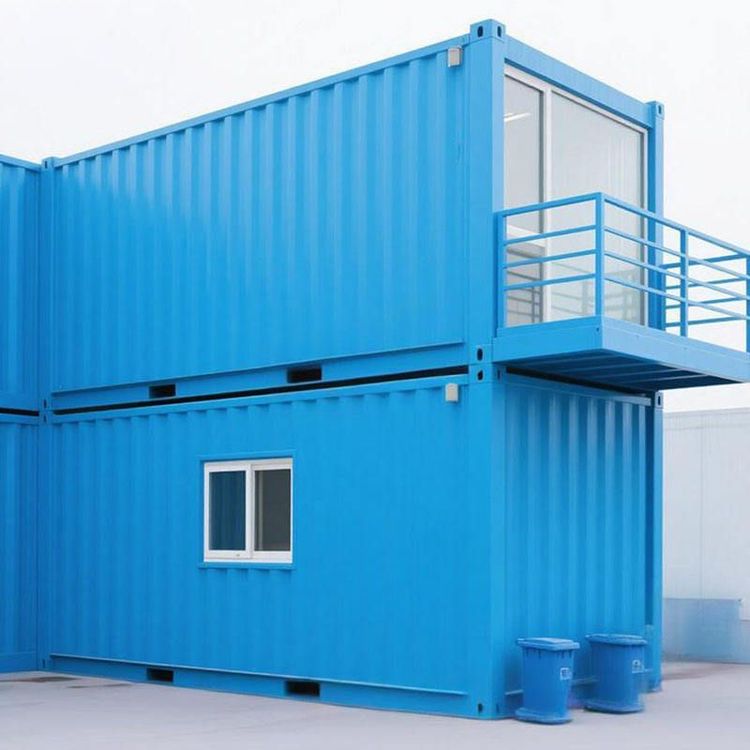
Steel is the core structural material for container houses, including channel steel, angle steel, and steel plates, used for making frames, bases, and load-bearing components. For example, the base of a container is usually welded from multiple channel steels to form a stable support structure; the frame of the container body uses high-strength steel to ensure overall structural safety and resistance to natural disasters such as wind and earthquakes.
Aluminum alloy is primarily used for doors, windows, and decorative components, offering advantages such as light weight, corrosion resistance, and aesthetic appeal. Aluminum alloy doors and windows have good sealing properties, effectively preventing heat loss and improving the insulation performance of the house; at the same time, their corrosion resistance extends service life and reduces maintenance costs.
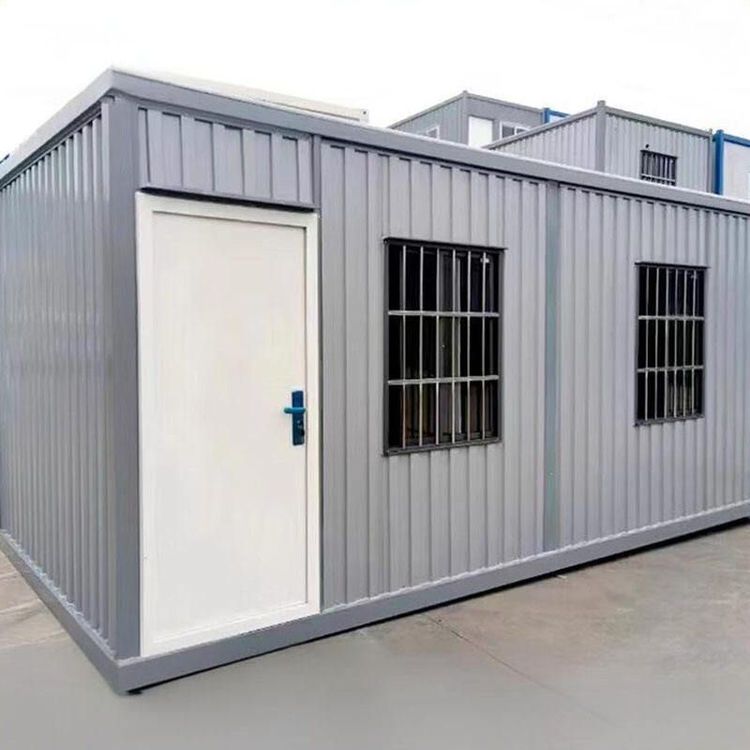
Sandwich panels are key materials for walls and roofs, with common types including rock wool sandwich panels and foam boards. Rock wool sandwich panels, wrapped in iron sheets around a rock wool core, possess Class A fire resistance, moisture resistance, sound insulation, and thermal insulation properties, offering higher safety; foam boards, on the other hand, are lower in cost but have weaker fire resistance. Sandwich panels can be quickly assembled through modular connections to complete house construction.
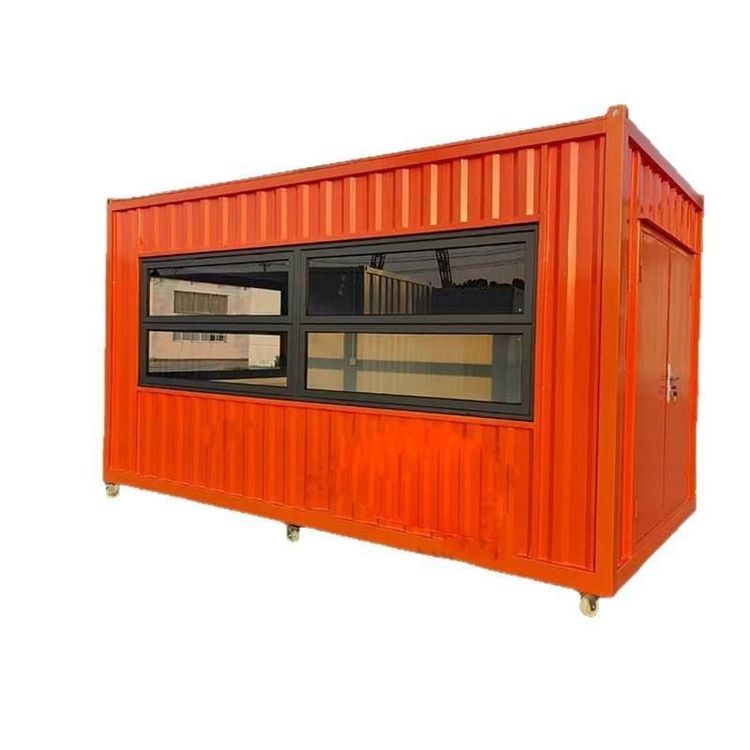
Glass is used for doors, windows, and observation windows, providing natural light and a view. Energy-efficient products like insulated glass can further enhance insulation performance and reduce energy consumption.
Plastic products, such as plastic pipes and plastic sheets, are used for laying water and electricity lines, interior decoration, etc., offering advantages such as light weight, ease of processing, and corrosion resistance to meet diverse needs.
Other auxiliary materials include corrugated sheets (used for roofs or walls), anti-theft facilities, and drainage system components. For example, corrugated sheets are pressed from thin steel sheets to enhance structural strength; anti-theft doors, windows, and surveillance systems improve house security.
Material choices may vary for different types of container houses. For example, packing-box container houses use hot-dip galvanized cold-formed steel as frames, paired with fire-resistant polyurethane sandwich panels; light steel keel houses use cold-formed thin-walled light steel keels for load-bearing, with walls filled with insulation materials. Material selection should be based on project requirements, budget, and usage environment.