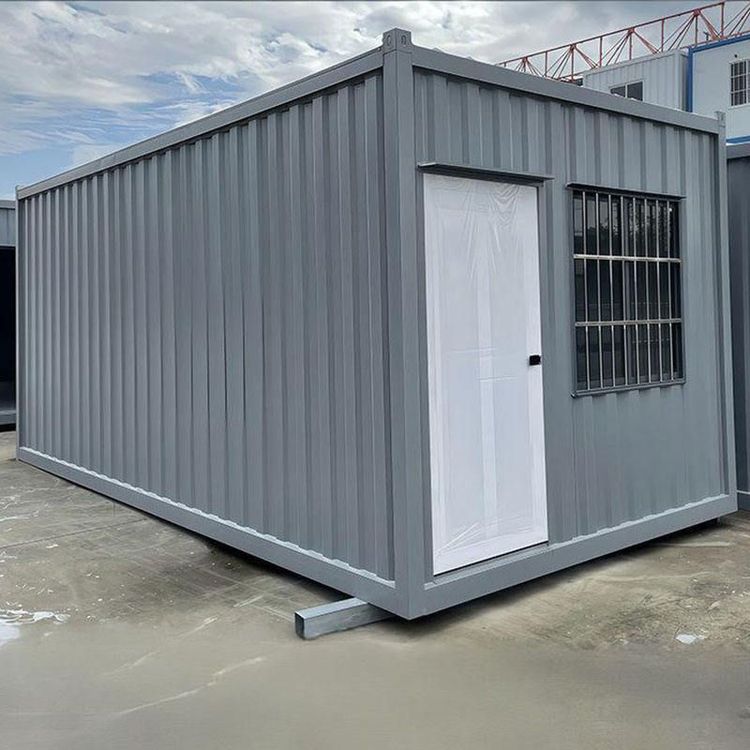
Lvliang Prefabricated Building Component Molds
The prefabricated building component molds in Lvliang adopt a high-precision steel mold system, featuring reusability, high dimensional accuracy, environmental friendliness, and high efficiency. Their design is optimized through 3D modeling, and the materials are mainly steel or plastic, which can significantly enhance the quality of components and construction efficiency.
Mold Materials and Durability
The core material of the prefabricated building component molds in Lvliang is high-precision steel molds, with some using plastic materials. The strength and rigidity of steel molds enable them to be reused hundreds of times, far exceeding the 5-10 uses of traditional wooden formwork, significantly reducing long-term costs. The smoothness of the inner surface of steel molds directly affects the visual quality of the components. A smooth steel mold surface can reduce surface defects on components after demolding, such as air holes and pitted surfaces, enhancing the aesthetic appeal of the building. Additionally, the dimensional stability of steel molds is superior to that of wooden formwork, being minimally affected by environmental humidity and temperature changes, ensuring consistent component dimensions and meeting the stringent precision requirements of industrial production.
Environmental and Efficiency Advantages
Compared to the on-site assembly process of traditional wooden formwork, the steel mold system excels in environmental friendliness and efficiency. Wooden formwork requires extensive logging and generates a large amount of waste from on-site cutting and assembly, whereas the reusability of steel molds significantly reduces wood consumption, aligning with green building principles. Meanwhile, steel molds provide a standardized process for prefabricated component production, reducing the time for mold installation and demolding by approximately 40%, shortening the overall template engineering cycle, and accelerating project progress. For example, in a prefabricated building project in Lvliang, the use of steel molds reduced the production cycle of a single floor slab from 7 days to 4 days, demonstrating a significant efficiency improvement.
3D Modeling and Precise Design
Mold design employs 3D modeling pre-technology, which verifies the positional accuracy of all connectors and pre-embedded holes in a virtual environment in advance. This technology can simulate the mold assembly process, identifying interferences or design defects early on, preventing structural damage caused by on-site drilling. For instance, the positional errors of pre-embedded electrical boxes and lifting rings can be controlled within ±1mm, ensuring precise alignment between components and the building main structure. 3D modeling also supports parametric design, allowing for quick adjustments to mold dimensions based on different component requirements, shortening the design cycle.
Application Scenarios and Material Selection
Steel molds are suitable for the production of large-batch, structurally complex prefabricated components, such as floor slabs, wall panels, and stairs, where their high precision and durability meet the demands of industrial production. Plastic molds, on the other hand, are more commonly used for small or irregularly shaped components, such as decorative moldings and balcony railings, where their lightweight and easy-demolding characteristics reduce labor intensity for workers. The choice between the two materials should be based on a comprehensive consideration of component type, production scale, and cost budget.