Luxury Renovated Container House
A luxury renovated container house is a form of architecture that undergoes in-depth transformation and decoration of containers through industrialized construction methods, enabling them to possess high-quality residential or commercial use functions. The following provides a detailed introduction from aspects such as design, materials, functional zoning, and environmental friendliness:

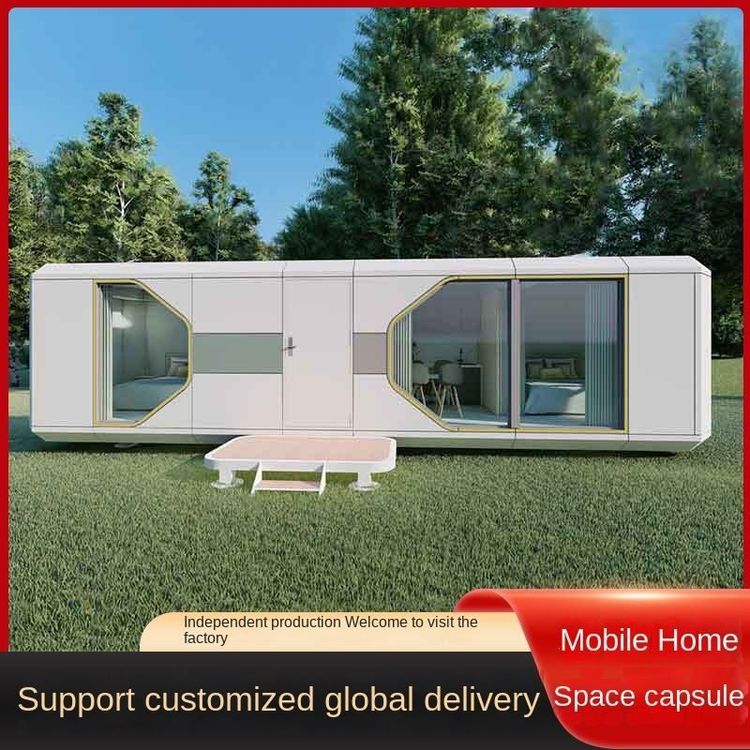
Design: Luxury renovated container houses break away from the single form of traditional containers. Designers use their imagination to transform them into various shapes and types of houses. For example, Mr. Guo Zhun's designs cleverly guide light within the building, naturally dividing the overall space into interesting small areas that blend with nature, becoming artistic masterpieces. At the same time, customized designs can be carried out according to different needs, such as European-style modern民宿 (homestay) container house designs, customized container shops for mobile bookstores in outdoor commercial streets, etc., meeting a variety of usage scenarios.
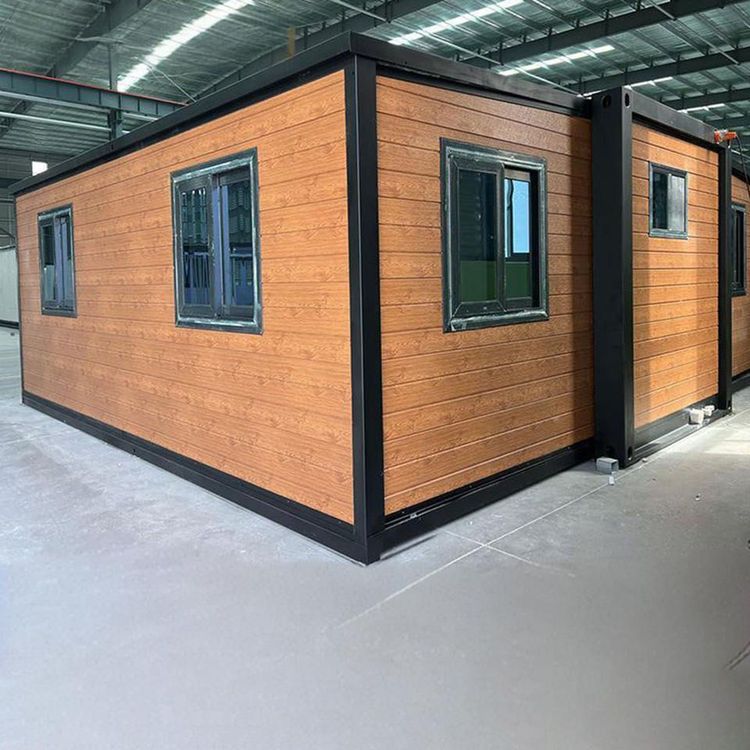
Material Selection: To achieve a luxury renovation effect, high-quality building materials are selected. The container body surface undergoes hot-dip galvanizing treatment, which has a longer anti-corrosion lifespan than cold-dip galvanizing and can effectively resist wind and sand erosion. In terms of thermal insulation, a three-layer structure is adopted. The outer layer is galvanized sheet, the middle layer is filled with rock wool as the main insulation layer, and the inner layer uses PVC-coated steel sheet to reduce heat radiation. Some also add an elevated layer at the bottom of the container body to block the conduction of ground cold bridges. For doors, windows, and other parts, materials with good sealing properties are also selected to reduce heat transfer and air infiltration.
Functional Zoning: The fixed size of the container body forces designers to adopt a functional overlapping strategy. The kitchen and bathroom are compressed to one end of the container body to form a wet area, using integrated bathroom technology to achieve waterproof integration. The living and sleeping areas achieve day-night functional switching through the variability of furniture. For example, a wall-mounted folding table can be stored against the wall during non-meal times, and a drop-down bed can be folded up to free up activity space.
Environmental Friendliness: The core value of container houses lies in the full life-cycle recycling of their materials. Compared with traditional buildings, container houses have significant advantages in terms of carbon emissions and construction waste generation. Moreover, some container houses also integrate a self-circulating sewage treatment system. For wild campsites without water and electricity, gray water and black water can be treated separately to achieve water resource recycling.