Luxury Mobile Toilet Construction
The construction of luxury mobile toilets varies depending on the manufacturer and product type. Common construction methods include customized design and overall finished product installation, with core processes covering design, production, transportation, installation, and acceptance.
I. Customized Construction Process
Some manufacturers, such as Shanghai Guyi Construction Engineering Co., Ltd., carry out customized construction with customer needs at the core. During the design phase, factors such as the on-site environment, usage functions, and corporate cultural elements need to be considered comprehensively. For example, the toilet layout is adjusted according to the terrain of the site, different functional modules (such as baby care rooms and barrier-free facilities) are configured based on the usage scenarios (such as scenic spots and construction sites), and corporate logos or cultural themes are incorporated to create a space with a story. During the production phase, modular manufacturing is carried out according to the design plan to ensure that the precision of each component meets the installation requirements. During the installation phase, the structural framework needs to be assembled on-site, water and electricity pipelines connected, and ventilation, lighting, and other systems debugged. Some complex projects may involve foundation treatment or exterior decoration. During the acceptance phase, the functional integrity, structural stability, and environmental protection indicators need to be checked to ensure compliance with design standards and usage specifications.
II. Overall Finished Product Installation Process
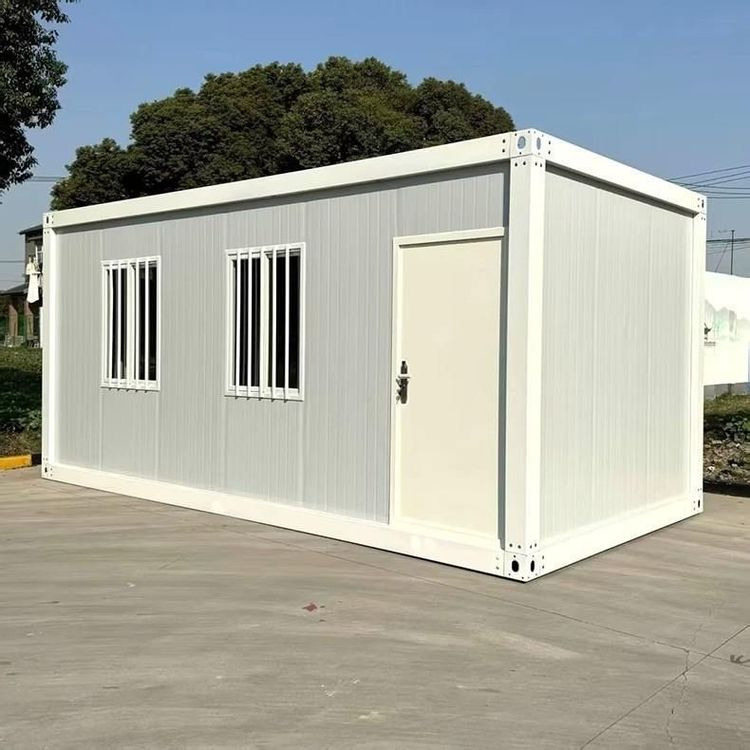
Finished mobile toilets that do not require civil engineering (such as some prefabricated products) adopt a "building block" type of construction, with the installation process mainly involving the splicing of standardized modules. First, the columns are fixed as structural supports, and then the main components such as wall panels and roofs are spliced together, with bolts or buckles used for connection to ensure stability. Internal facilities (such as toilets and washbasins) are usually pre-installed in the modules, and only the connection of water and electricity interfaces and equipment debugging are required on-site. The advantage of this type of construction is its speed and low requirements for the on-site environment, making it suitable for temporary or emergency demand scenarios, but the degree of customization is relatively low.
III. Key Construction Points
Regardless of the method, water and electricity access is a core link. The pipeline route needs to be planned in advance and interfaces reserved to ensure the safety and reliability of the water supply and drainage and power supply systems. Ventilation design needs to choose natural ventilation or mechanical ventilation according to the usage frequency to avoid odor accumulation. In terms of environmental protection requirements, sewage treatment devices (such as septic tanks and biodegradation systems) need to be configured or connected to the municipal sewer network to ensure that emissions meet standards. In addition, details such as anti-slip, fire prevention, and corrosion resistance directly affect the user experience and safety and need to be focused on in material selection and construction techniques.