
Luxi County Mobile Toilets
Luxi County has actively explored the construction of mobile toilets, primarily focusing on two major directions: the 'Public Toilet + Machine Room' project and the construction of smart toilets.
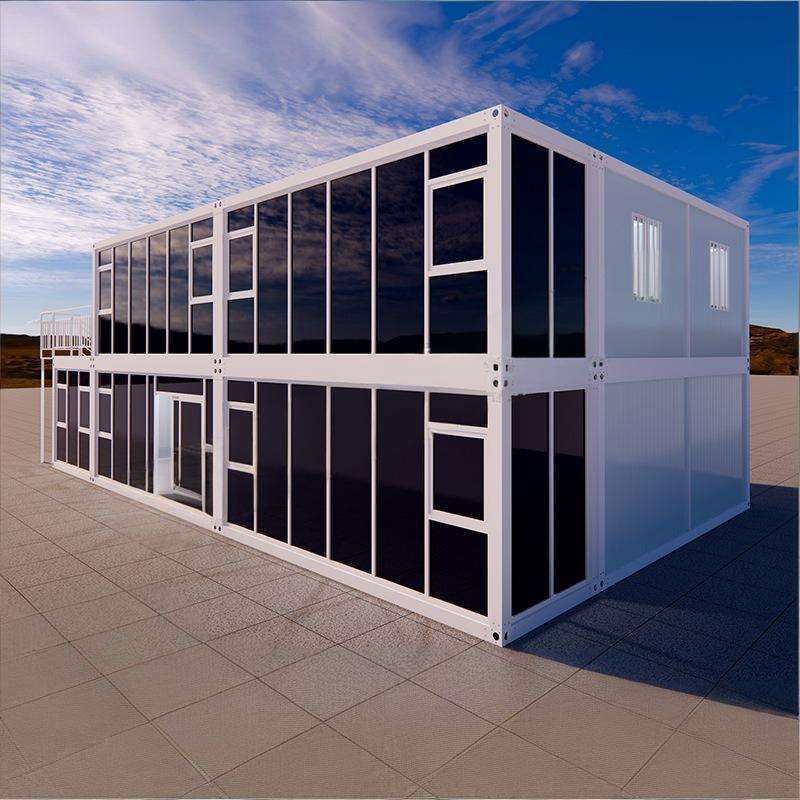
I. Innovative Model of 'Public Toilet + Machine Room'
The People's Government of Luxi County has collaborated with China Mobile Luxi Branch to advance the 'Public Toilet + Machine Room' construction project, achieving functional integration through resource consolidation. Specifically, the government provides the land for construction, while China Mobile is responsible for the main construction of the public toilets (including decoration and sanitary ware installation). After completion, the first floor of the public toilet serves as a public restroom, while the second floor and roof are used by China Mobile for the installation and construction of communication machine rooms. This model not only resolves the issue of land availability for public toilet construction but also provides low-cost space for communication infrastructure. Additionally, it enhances the environmental quality around the machine rooms through the public service attributes of the toilets, creating a win-win situation for the government, enterprises, and the public. For example, during the site selection phase, the government can prioritize areas with high communication demand but limited land resources, meeting both public toilet coverage needs and optimizing machine room layout. China Mobile, in turn, reduces construction costs and improves machine room deployment efficiency through standardized design.
II. Application of Smart Toilets in Tourism Scenarios
In the field of tourism toilets, Luxi County has taken the Alu Ancient Cave 4A-level scenic area as a pilot project, constructing two smart toilets and integrating them with the 'One Mobile Phone for Touring Yunnan' app. These toilets feature 3D dynamic display interfaces that provide real-time information on toilet stall availability, air quality (such as ammonia and hydrogen sulfide concentrations), temperature, and humidity. They also send navigation and congestion warning information to tourists via the app. Their innovation lies in two aspects: first, technological integration, connecting IoT sensors, dynamic visualization systems, and tourism service platforms to achieve a closed-loop data system for 'construction-management-use'; second, user experience optimization, with 3D interfaces breaking through the limitations of traditional flat displays and improving information acquisition efficiency, effectively diverting crowds during peak periods. Currently, this model has set an exemplary effect in the construction of smart toilets in Yunnan Province, promoting the refinement and intelligence of tourism public services.



