Back to blog
Article
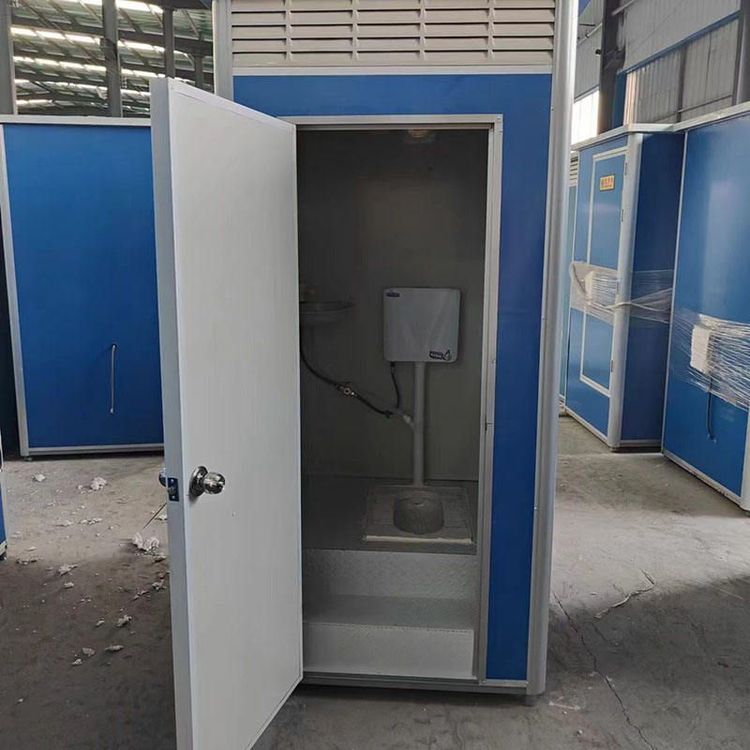
Luoyang Mobile Toilet Installation
Admin September 23, 2026
The installation of mobile toilets in Luoyang should follow a standardized process, covering preliminary preparations, on-site installation, delivery and use, and precautions. The specific key points are as follows:

I. Preliminary Preparations
- Demand Communication and Scheme Design
It is necessary to contact a legitimate rental company to clarify the usage scenario (such as exhibitions or construction sites), the number of people, the duration, and the location of the site. Based on this information, a professional team will design a scheme to determine the number of toilets, their types (single-person/double-person/barrier-free), and their placement positions. For example, at construction sites, it is necessary to plan according to the standard of providing one toilet for every 50 workers based on the number of workers. - Site Condition Confirmation
It is required to communicate with the site owner to confirm whether the installation location is level and whether there are sewer pipes or power outlets. Toilets with flushing functions require support from the drainage system. The installation location should be away from entrances and exits, fire exits, and should facilitate the entry and exit of cleaning vehicles. - Contract Signing and Cost Confirmation
After both parties confirm the scheme, a rental contract should be signed to clarify the rental price, the scope of services (such as installation, cleaning, and maintenance), the delivery time, and liability for breach of contract. The costs usually include equipment rental, transportation, installation, and basic cleaning. Special services (such as night shifts and additional cleaning) require additional fees.
II. On-site Installation Process
- Transportation and On-site Survey
Before transportation, the rental company will conduct another on-site survey to confirm whether the vehicle can reach the installation point to avoid delays due to narrow roads. During transportation, the equipment should be fixed to prevent damage from bumps. - Basic Positioning and Fixing
Place the main body of the toilet at the designated position, adjust it to be level, and then fix it to the ground with expansion screws to prevent displacement. For outdoor installations, it is recommended to use wind-resistant bases. - Connecting Drainage and Power Supply (if required)
Toilets with flushing functions need to be connected to drainage pipes to ensure smooth drainage. Some models require an external power supply, and the safety of the wiring should be checked in advance. - Facility Inspection and Debugging
After installation, check whether the doors, locks, and flush buttons are functioning properly and whether the water level in the tank is sufficient. Ensure there are no water leaks or electrical leaks. Professional personnel will conduct a comprehensive inspection to ensure the normal operation of the equipment.
III. Delivery and Use
- Cleaning and Delivery
After installation, the rental company will clean the inside and outside of the toilet. Before delivery, they will demonstrate the operation method of the equipment and inform the user of precautions (such as flushing methods and garbage disposal). After both parties confirm that there are no issues, the handover is completed. - Maintenance During Use
During the rental period, a legitimate company will conduct regular on-site maintenance, including daily cleaning, garbage removal, and equipment inspection and repair. If a malfunction occurs, the rental party can be contacted for timely repair. The user should also pay attention to keeping the toilet clean and avoid garbage blockages.
IV. Precautions
- Clear signs should be set up in the installation area to prevent children or unrelated personnel from entering. When using at night, it is recommended to turn on the lighting equipment.
- Some models support short-distance movement, but this should be operated by professional personnel to avoid damaging the facilities.