
How to Choose Mobile Toilets in Luohu
When choosing mobile toilets in Luohu, it is necessary to comprehensively consider factors such as usage scenarios, material craftsmanship, sewage disposal methods, cost-effectiveness, and supplier reputation.
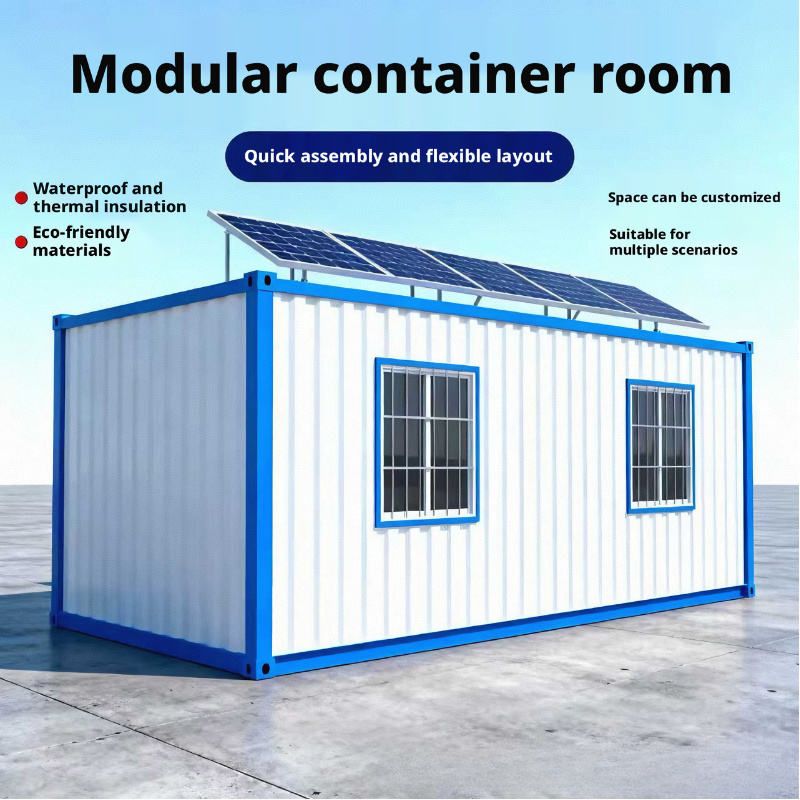
I. Select Models Based on Usage Scenarios The functional requirements for mobile toilets vary significantly across different scenarios.
- Construction sites, temporary construction areas, or short-term events: Prioritize simple steel-structured mobile toilets, which are sturdy, easy to assemble and disassemble, can be repeatedly transported, and require simple maintenance, making them suitable for short-term, high-frequency usage scenarios.
- Public places such as scenic spots, parks, and municipal roads: Assembled landscape mobile toilets are more suitable, with their simple and elegant appearance, strong sealing properties, effective reduction of odor accumulation, and high integration with the surrounding environment.
- Rural outdoors, camping bases, or areas without sewer networks: Sewer-free ecological mobile toilets do not require complex civil construction, have reasonable sewage disposal designs, are leak-proof and easy to clean, and can reduce long-term maintenance costs.
- Large-scale events such as sports competitions, exhibitions, and team-building activities: Multi-compartment mobile public toilets can provide sufficient stalls, improve personnel turnover efficiency, and alleviate toilet shortages.
II. Focus on Material Craftsmanship Materials directly affect the durability and user experience of mobile toilets.
- Main Frame: Hot-dip galvanized square steel welded frames offer strong stability, excellent wind, sun, and corrosion resistance, and a longer service life.
- Exterior Wall Panels: Metal carved panels have excellent comprehensive performance and are suitable for municipal and scenic areas; color steel panels are lightweight and cost-effective, suitable for short-term use on construction sites; landscape modeling panels have high aesthetic appeal and are suitable for garden and cultural tourism scenarios.
- Internal Configuration: It should include anti-slip and wear-resistant floors, odor-proof ceramic fixtures, ventilation and air exchange equipment, energy-saving lighting, privacy door locks, and storage hooks, while also paying attention to sealing techniques and odor-proof designs to prevent odor diffusion.
III. Choose Sewage Disposal Methods Based on Site Conditions Sewage disposal methods should match the water and electricity conditions of the site.
- Sites with complete water and electricity facilities: Water-flush products offer a user experience close to household facilities and are suitable for scenarios with high hygiene requirements.
- Water-scarce sites (such as remote mountainous areas and wild construction sites): Sewer-free packaged products do not require a water source and dispose of waste through packaging, meeting actual needs.
- Cultural tourism scenic spots: Foam-sealing products can save water and block odors, enhancing the tourist experience.
IV. Comprehensively Consider Cost-Effectiveness and Supplier Reputation Avoid solely pursuing low prices; instead, choose the solution with the lowest total cost of ownership by considering procurement costs, expected lifespan, and maintenance expenses. At the same time, prioritize suppliers with complete qualifications, a wealth of successful cases, and good user reviews. Clearly define warranty periods, after-sales services, and other terms in the contract to ensure rights and interests.



