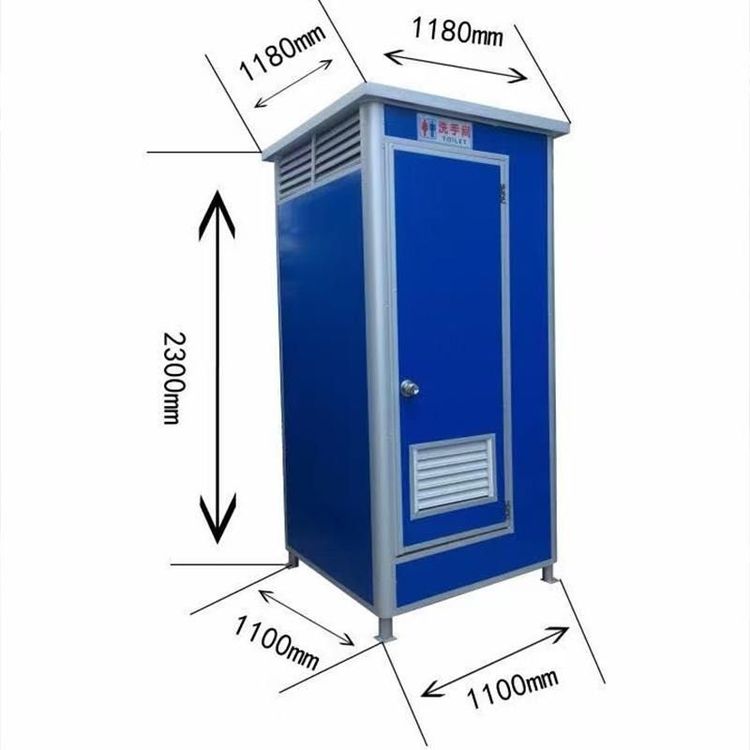
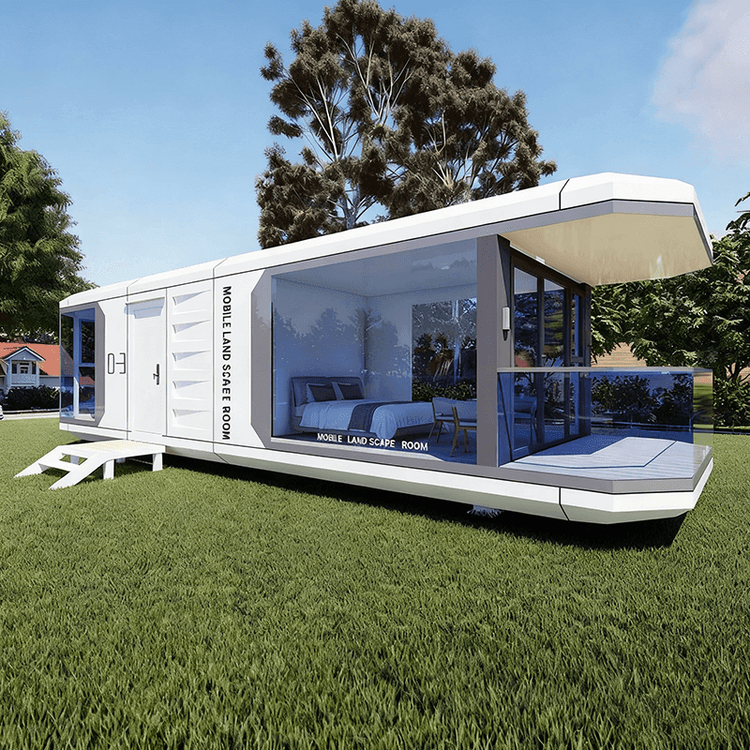
Luohe Mobile Toilet Type Diagram
Currently, it is not possible to directly provide a specific type diagram of mobile toilets in Luohe, but a detailed introduction to their classification methods and corresponding type characteristics can be provided.

In terms of flushing methods, there are various types of mobile toilets in Luohe. Foot-pedal flushing: Users trigger the flushing device by stepping on a pedal to achieve the flushing function. This operation is relatively convenient and, to a certain extent, avoids direct hand contact with the flushing device, making it more hygienic. Push-button flushing: It requires users to press a flushing button with their hands to flush. This design is simple and intuitive, with relatively low costs, and is a more common flushing method. Automatic flushing: Using sensors and other devices, when the user leaves after use, the toilet automatically detects and triggers flushing without manual operation, providing a good user experience. However, the equipment and maintenance costs are relatively high. Manual flushing: Flushing is completed by manually pulling or turning the flushing valve. The structure is simple, but the operation is relatively less convenient.
In terms of applicable environments, the water-flush direct-discharge type is suitable for environments with water, sewage pipes, or sewers, and can be used with or without electricity. It can promptly flush away excrement to keep the interior of the toilet clean. The waterless-flush packing type is applicable to environments without water or sewage pipes and can operate with or without electricity. It uses a special packing device to pack the excrement for easy subsequent cleaning. The foam-sealing direct-discharge type requires electricity and sewage pipes or sewers. When space permits, it can also be connected to an external fecal storage tank, using foam to seal odors while achieving direct discharge. The foam-sealing storage type is suitable for environments with electricity but without sewage pipes. It has the advantages of water and electricity conservation and fewer cleaning times, reducing odor emission through foam sealing and storing excrement.
In terms of rental styles, the basic mobile toilet is the most common, featuring a simple box design with a basic flushing system and a toilet seat inside. The standard mobile toilet pays more attention to details and comfort, equipped with facilities such as a sink, mirror, and hooks, and some are also installed with exhaust fans and lighting equipment. The luxury mobile toilet has high-end configurations, possibly including independent compartments, non-slip floors, and a constant-temperature system, and some are even equipped with aroma devices. The barrier-free mobile toilet has a spacious interior, equipped with handrails and wheelchair access, and some are equipped with emergency call buttons. The vehicle-mounted mobile toilet is small in size and can be directly loaded onto a vehicle, facilitating transportation and movement.