Back to blog
Article
Luohe Mobile Toilet Construction Plan
Admin October 10, 2026
The construction plan for mobile toilets in Luohe should be systematically planned from four aspects: design positioning, construction deployment, installation steps, and emergency management, taking into account the characteristics of the site to ensure functionality and safety.

I. Project Overview and Design Positioning
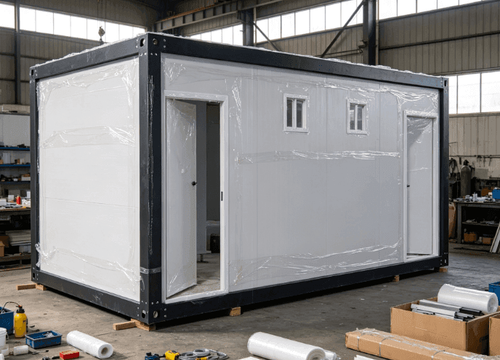
Mobile toilets are modular integrated facilities suitable for various scenarios such as event sites, construction sites, and scenic spots. Their core features include:
- Modular Design: The main body is constructed using steel structures or composite panels, which are disassembled into components for transportation and rapidly assembled on-site.
- Functional Adaptability: Configurations are adjusted according to the scenario, such as adding deodorization devices and mother-and-child toilet stalls in scenic spots, and emphasizing collision resistance and oil resistance on construction sites.
- Environmental Protection and Energy Efficiency: Equipped with flush-free toilets, rainwater collection systems, or solar power supply to reduce reliance on municipal sewage networks. The design should adhere to the principle of being "temporary but reliable." For example, at event sites, it is necessary to calculate the peak restroom usage during high-traffic periods, ensuring that the distance between toilet stalls is ≤50 meters and reserving sewage discharge interfaces or septic tank locations. On construction sites, mobile toilets should be placed away from the main construction roads and ≥1.5 meters from the edge of excavation pits to avoid construction impacts.
II. Construction Deployment
- Objectives and Principles
- Four Compliance Objectives: Quality (wind resistance ≥ Grade 8, waterproofing without leakage), safety (zero casualties, no risk of tipping), schedule (delivery within 72 hours), and environmental protection (noise ≤60 decibels, 100% waste classification).
- Construction Principles: Adhere to the principle of "underground before above-ground, main body before decoration" to avoid rework.
- Organizational Division of Labor Form a dedicated team of 5-8 people, including a project manager, technical leader, construction team leader, safety officer, and logistics personnel, with clear division of responsibilities.
- Site Preparation
- Event Sites: Choose concealed but easily accessible locations, avoiding entrances and exits, and prioritize hardened ground or lay anti-slip mats.
- Construction Sites: Clear ground debris, lay gravel or concrete foundations, and ensure a load-bearing capacity of ≥200 kg/㎡.
III. Installation Steps
- Event Sites
- Rental Assessment: Configure 1-2 toilet stalls per 100 people, with a reserve margin; choose a reputable rental company and confirm whether installation, commissioning, and maintenance services are provided.
- On-site Installation: Check door locks and flushing systems, clean the interior; conduct daily inspections during the event and promptly address blockages or paper shortages.
- Construction Sites
- Foundation Preparation: Verify the completeness of materials and lay the foundation after clearing the ground.
- Box Placement: Use forklifts or cranes for stable lifting, maintaining levelness; connect sewage pipes to the drainage system and install anti-backflow valves.
- System Commissioning: Test the flushing function and drainage smoothness, and check the firmness and sealing of internal and external facilities.
IV. Precautions and Emergency Plans
- Event Sites
- Signage and Hygiene: Set up conspicuous signboards and install LED lights at night; replace consumables every shift and conduct regular disinfection.
- Emergency Plan: Prepare spare toilets to cope with sudden increases in traffic or malfunctions; ensure that rented equipment complies with environmental protection standards.
- Construction Sites
- Daily Maintenance: Clean the toilets daily, replenish consumables, and conduct regular disinfection; inspect circuits and valves monthly and promptly report and repair faults.
- Safety Reminders: Set up warning signs, keep away from flammable and explosive materials, and ensure electrical safety.
Related