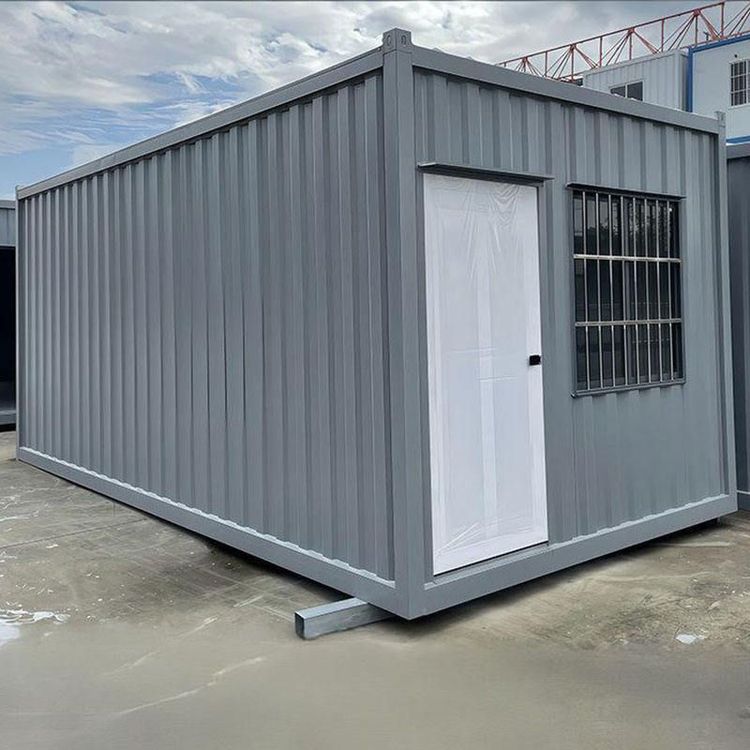
Advantages of Mobile Toilets in Luohe
The advantages of mobile toilets in Luohe are mainly reflected in aspects such as no need for infrastructure construction, flexible adaptation to various scenarios, professional maintenance, easy installation, outstanding environmental performance, and comprehensive functional configurations.

1. No Infrastructure Construction, Ready for Use upon Rental
The core advantage of mobile toilets lies in the fact that there is no need to build fixed infrastructure in advance. They can be put into use directly after rental. Traditional toilets require complex processes such as site selection, design, and construction, which are time-consuming and costly. In contrast, mobile toilets, through modular design, can quickly complete installation and commissioning, significantly shortening the preparation period. This feature is particularly suitable for temporary events or emergency scenarios, such as outdoor music festivals, sports events, or post-disaster relief, enabling them to quickly meet the toilet needs of large crowds while reducing labor and time costs.
2. Flexible Adaptation to Multiple Scenarios
Mobile toilets offer a variety of specifications, including single-person, double-person, and environmentally friendly types, among others. They can be flexibly configured according to the scale of the event, site conditions, and usage requirements. For example, a compact single-person toilet can be chosen for small family gatherings, while multi-row toilets can be deployed for large exhibitions or marathon events to ensure efficient use during peak periods. Additionally, their mobility allows for dynamic adjustment of positions based on the distribution of people, avoiding the waste of resources caused by improper site selection of fixed toilets.
3. Professional Maintenance Ensures Hygiene
Regular rental companies usually provide regular cleaning, disinfection, and equipment maintenance services to ensure a clean and hygienic internal environment of the toilets. Traditional fixed toilets are prone to bacteria growth and odor generation if not properly maintained, while mobile toilets, through standardized management processes, can effectively avoid hygiene hazards. For example, environmentally friendly toilets use biodegradation technology to treat excrement, reducing the frequency of manual cleaning and the risk of cross-infection, making them particularly suitable for scenarios with high public health requirements.
4. Easy Installation and Flexible Use
The modular structure of mobile toilets supports rapid disassembly and reassembly, allowing for position adjustments at any time and place to adapt to complex terrains or temporary changes in requirements. For example, in areas where traditional toilets are difficult to cover, such as mountain hiking trails or beach activities, mobile toilets can be deployed through lifting or transport vehicles to solve toilet problems. Their flexibility far exceeds that of traditional buildings and can dynamically respond to the usage requirements of different scenarios.
5. Outstanding Environmental Performance
Environmentally friendly mobile toilets reduce resource consumption and environmental pollution through multiple technologies:
- Water-saving design: A single flush requires only 0.8 liters, saving 60% more water than traditional toilets, suitable for areas with scarce water resources;
- Odor control system: Biodegradation technology is used to decompose excrement, combined with ventilation openings and exhaust fans to form air convection, achieving significant odor control effects;
- Compliant discharge: The treated waste meets environmental protection standards, avoiding the risk of construction pollution and aligning with the concept of sustainable development.
6. Comprehensive Functional Configurations
Some mobile toilets are equipped with built-in lighting, hand-washing basins, hand sanitizers, air fresheners, and tissue boxes, enhancing user convenience. The design of louvered windows at the front door and ventilation openings at the rear forms air convection, improving internal ventilation conditions and reducing stuffiness. These detailed optimizations significantly enhance the user experience, especially suitable for commercial events or high-end exhibitions with high comfort requirements.