
Looking for Mobile Toilet Design
Mobile toilet design requires comprehensive consideration of various factors, including foundation structure, environmental protection technology, intelligent management, and humanized design.
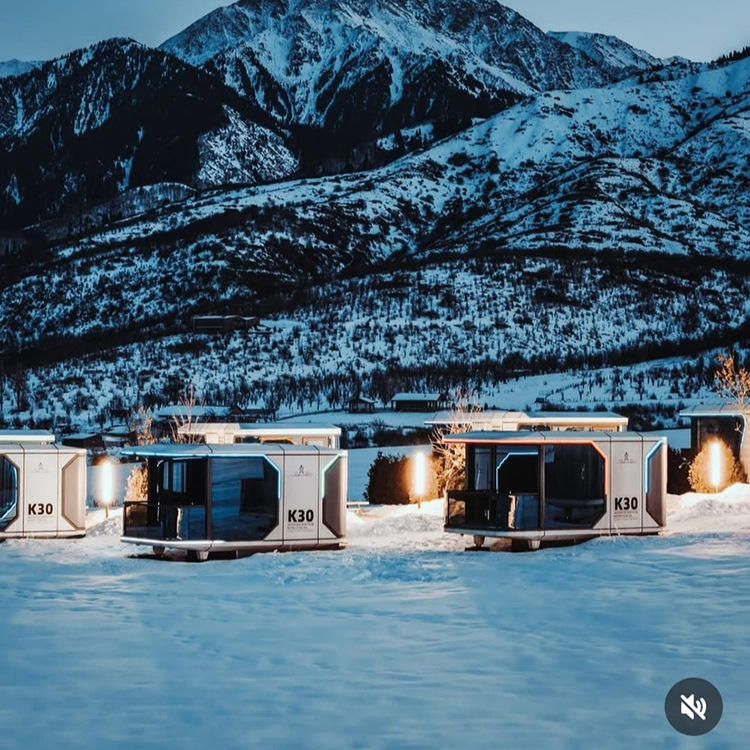
Foundation structure design is the cornerstone of mobile toilets. The main structure is commonly constructed using hot-dip galvanized square tubes or light steel keels, equipped with lifting interfaces for rapid installation. The standard dimensions of a single toilet cubicle are 1.1 meters in length, 1.2 meters in width, and 2.55 meters in height, which can be combined and expanded as needed. The exterior walls are often made of metal carved panels or color-coated steel sheets, while the interior walls use aluminum-plastic panels or bamboo fiber boards. The roof is covered with asphalt shingles, all of which offer good corrosion and wind resistance. The foundation employs anchoring devices and concrete bases, capable of withstanding typhoons of up to magnitude 9 and earthquakes of up to magnitude 7.
Environmental protection technology is crucial for mobile toilets. The water-saving system utilizes foam sealing technology, requiring only 0.01 liters of water per flush, achieving a water-saving rate of up to 98%. Microbial degradation technology eliminates the need for flushing, with bacterial colonies decomposing feces into harmless substances within 5 to 7 days. Sewage treatment is equipped with septic tanks or vacuum self-priming devices, with sewage pipes having a diameter of no less than 200 millimeters. In northern regions, electric auxiliary heating anti-freeze systems are installed. In terms of energy, rooftop photovoltaic panels can meet the electricity needs of 50 people per day, and booster power systems are available for special environments such as plateaus.
Intelligent management enhances the user experience of mobile toilets. Through the Internet of Things, real-time monitoring of toilet cubicle usage, energy consumption data, and equipment failures is possible. Gravity sensing devices can verbally remind users of left-behind items upon departure and automatically activate disinfection sprays. The temperature control system ensures stable operation in extreme temperatures ranging from minus 35 degrees to 50 degrees Celsius, with a control accuracy of plus or minus 1 degree.
Humanized design reflects care for users. Attention is paid to barrier-free facilities, with corridor slopes not exceeding 2.7% and wheelchair turning spaces of at least 1.5 meters. The third toilet is equipped with child safety seats, call buttons, and folding nursing tables. Sanitary facilities include infrared automatic flushing devices, antibacterial handrails, intelligent paper dispensers, and ultraviolet disinfection lamps. The environmental control system ensures that ammonia concentrations do not exceed 0.3 milligrams per cubic meter and hydrogen sulfide concentrations do not exceed 0.01 milligrams per cubic meter.
You may also like

Portable Toilet Eco-Friendly: MOQ, Samples & Quotation Guide
Read More
Top Portable Toilet Color Steel Manufacturers: How to Choose a Factory Partner
Read MorePortable Toilet Picture: Types, Features & Buying Tips
Read More