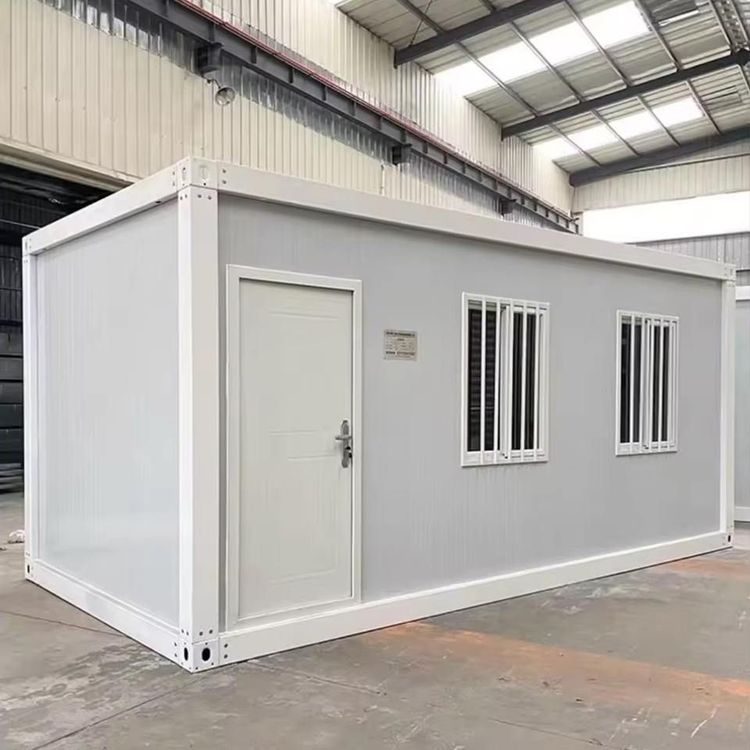
Longquan Construction Site Portable Toilet Installation
The installation of portable toilets at the Longquan construction site should follow these key steps and precautions:

Site Selection and Evaluation
Prioritize areas with high usage frequency, such as near the entrances and exits of living or work zones, while avoiding open-flame work areas, material storage zones, and power distribution facilities. The installation site should be flat and slightly elevated above the surrounding ground to prevent rainwater backflow. If the construction site is near a river or water source, ensure sufficient buffer distance between the toilet and the water source protection area to avoid contamination risks.
Foundation Preparation
- Soil Ground: Compact the soil and lay a 10-15 cm thick gravel bed. For soft soil or backfilled areas, further reinforcement is required, such as pouring a concrete base or setting up prefabricated cement piers.
- Hardened Ground: Check the ground flatness to ensure no unevenness affects toilet stability.
Transportation and Placement
Use professional vehicles to secure the toilet box during transportation to prevent collisions. Use lifting straps instead of steel wires for hoisting to avoid scratching the exterior. During placement, use a level to check the box's horizontal alignment. If tilting is detected, adjust the pads promptly to ensure stability.
Pipe Connection
- Flush Toilets: Connect water supply and drainage pipes. The water supply pipe should be made of PPR or PE material, buried below the frost line or insulated. The drainage pipe should have a slope of no less than 2% to ensure smooth sewage flow into the septic tank or collection device. Seal the joints tightly and regularly check for leaks.
- Non-Flush Toilets: Ensure the fecal collection container is placed steadily and sealed well. Alternatively, choose stainless steel waterless packing squat toilets without sewage pipes, suitable for waterless areas.
Ventilation and Lighting
Choose a location with good natural ventilation. If necessary, install exhaust fans or ventilation ducts to reduce odors. For lighting, install toilets without lighting fixtures in well-lit areas. For nighttime use, connect temporary lighting circuits and choose waterproof and explosion-proof lamps.
Lightning Protection and Grounding
In areas prone to thunderstorms or open construction sites, metal-structured toilets should be equipped with independent lightning rods covering the toilet area. The metal frame should be grounded with a grounding resistance of no more than 10 ohms to ensure electrical safety.
Signage and Safety
After installation, hang clear signs, including gender differentiation and usage precautions. If the toilet is near vehicle traffic areas, set up warning posts or reflective stickers. In areas with insufficient nighttime visibility, install warning lights to prevent accidents.