Longnan Simple Mobile Toilet
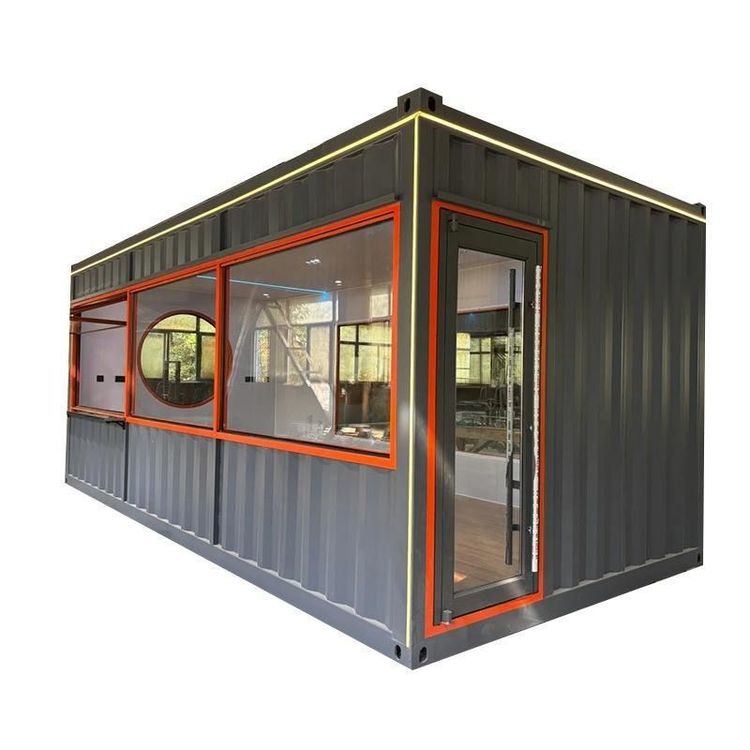
The Longnan simple mobile toilet is a mobile sanitation facility that utilizes a lightweight alloy or high-strength composite material frame and a modular internal structure. It features functions such as waste treatment, water-saving flushing, and ventilation purification, and is adaptable to various terrains with diverse pricing options.

Main Structure and Materials: The main frame is mostly made of lightweight alloys or high-strength composite materials, balancing strength and portability. The internal structure is modular, facilitating quick assembly and disassembly, making it suitable for temporary or mobile scenarios. The walls are constructed with sandwich panels, filled with insulation and soundproofing materials in the middle, and covered with a weather-resistant coating on the outer layer. This design effectively addresses the climate conditions in Longnan, such as large temperature differences between day and night and concentrated precipitation, extending the service life.
Functional Implementation Technologies: Waste treatment primarily relies on biodegradation or chemical decomposition technologies. Some models are equipped with vacuum adsorption devices that reduce water consumption through negative pressure, achieving water-saving goals. The flushing system is linked to the water storage device, using micro-pumps and water-saving valves to precisely control water flow and avoid waste. The ventilation device incorporates an activated carbon filter layer, paired with a low-noise exhaust fan, efficiently filtering odors and maintaining air circulation to enhance user comfort.
Price and Specification Differences: Prices vary based on specifications and configurations. For example, customized mobile toilets for rural toilet renovations are priced at ¥530.00 (for orders of ≥1000 units), while mobile toilets for new rural areas are priced at ¥560.00 (for orders of ≥40,000 units). Bulk purchases offer lower unit prices, making them suitable for government or corporate deployments.
Terrain Adaptability and Humanized Design: The base structure can be finely adjusted according to sloped terrain to ensure stability. The internal functional layout is optimized through ergonomic calculations, improving space utilization and efficiency. Some models are equipped with solar panels on the top to provide auxiliary power for lighting and ventilation systems, reducing reliance on external power sources and making them suitable for remote or off-grid areas.