Longnan Outdoor Mobile Toilet Installation
The installation of outdoor mobile toilets in Longnan should follow the following steps and key points:

1. Pre-installation Inspection
Before installation, conduct basic preparations at the selected site, focusing on checking whether the sewage pipes are unobstructed. Remove debris such as mud and waste paper to prevent blockages that could affect usage. At the same time, confirm that the toilet installation position is level with the ground. If the ground is uneven, level it in advance to ensure the stability of subsequent installations. Additionally, assess whether the on-site environment meets basic requirements for ventilation and drainage, such as avoiding low-lying areas prone to water accumulation.
2. Modular Installation Process
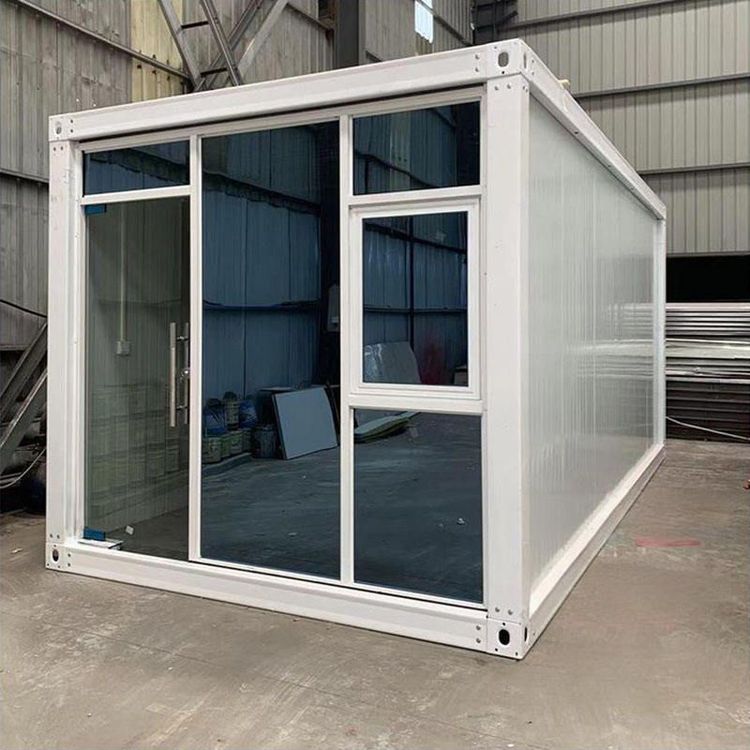
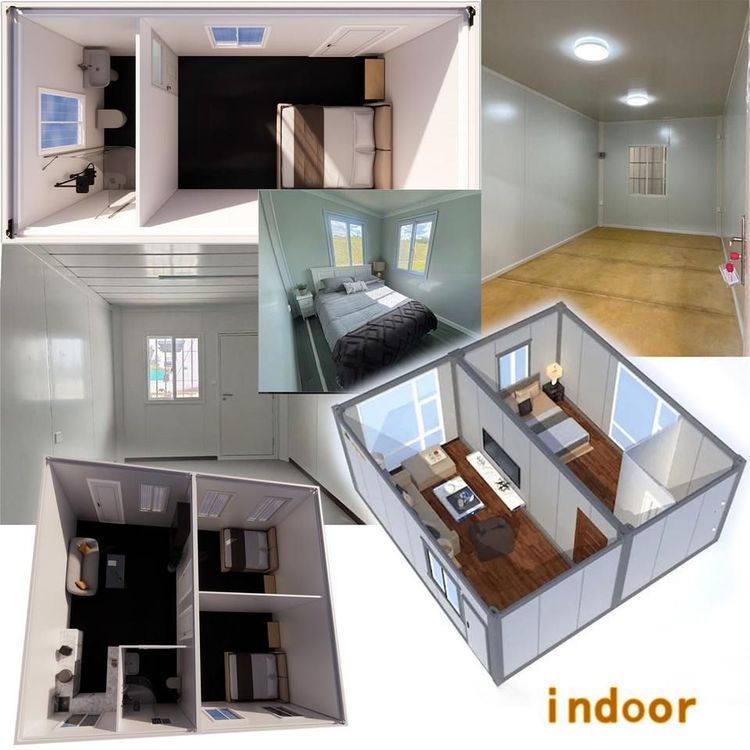
Mobile toilets adopt a modular design, with the main structure (such as walls and roofs) and functional systems (such as water supply and drainage, ventilation) prefabricated separately. During installation, follow these steps:
- Main Structure Assembly: Use specialized lifting equipment to hoist the prefabricated box onto the foundation. Secure the structural frame with bolts or welding to ensure tight connections between the walls and roof.
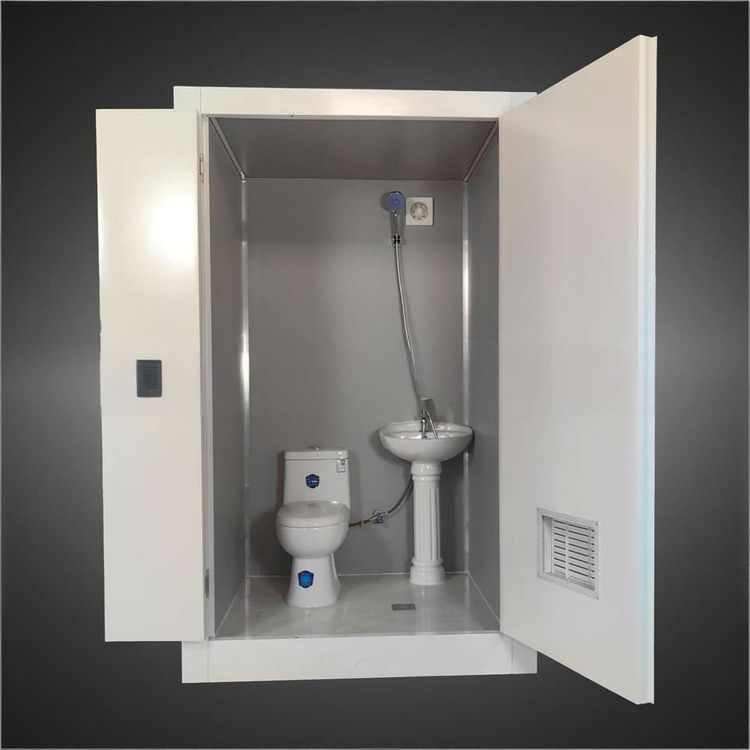
- System Integration: Embed independent modules (such as sewage pipes and ventilation ducts) into the main structure. Seal the connections to prevent leakage or the spread of odors.
- Internal Facility Installation: Complete the fixation and commissioning of equipment such as toilets, sinks, and lighting, ensuring safe connection of water and electricity lines.
The modular design allows for the replacement of faulty modules during maintenance without disassembling the entire structure, significantly reducing long-term operational and maintenance costs.
3. Terrain Adaptability Adjustments
For the complex terrain in Longnan, targeted measures should be taken:
- Slope Installation: Adjust the toilet's levelness using adjustable supports to ensure that the slope of the sewage pipes meets design requirements (usually 2%-3%), preventing backflow of sewage.
- Wind and Sand Protection: Install filtration devices at the entrance of the ventilation modules to block sand and dust from entering the interior space. Regularly clean the filters to maintain ventilation efficiency.
- Extreme Weather Response: During the rainy season, check whether the roof waterproof layer is intact and set up drainage ditches around the foundation to prevent water erosion.
4. Transportation and Foundation Preparation
The standard unit size of mobile toilets complies with highway transportation regulations and can be transported to the site without special permits. During installation:
- Foundation Preparation: After leveling the ground, lay concrete prefabricated blocks as the foundation. Adjust the thickness according to geological conditions (usually 15-20 cm) to avoid deep excavation and shorten the construction period.
- Main Structure Hoisting: Use a crane to accurately place the box on the foundation. Calibrate the position with a level to ensure structural stability.
- Connection and Fixation: After connecting the pipes and circuits between modules, reinforce the overall structure to prevent displacement caused by external forces (such as strong winds).
By following these steps, efficient and safe installation of mobile toilets can be achieved, adapting to the diverse environmental needs of the Longnan region.