
Long Container House
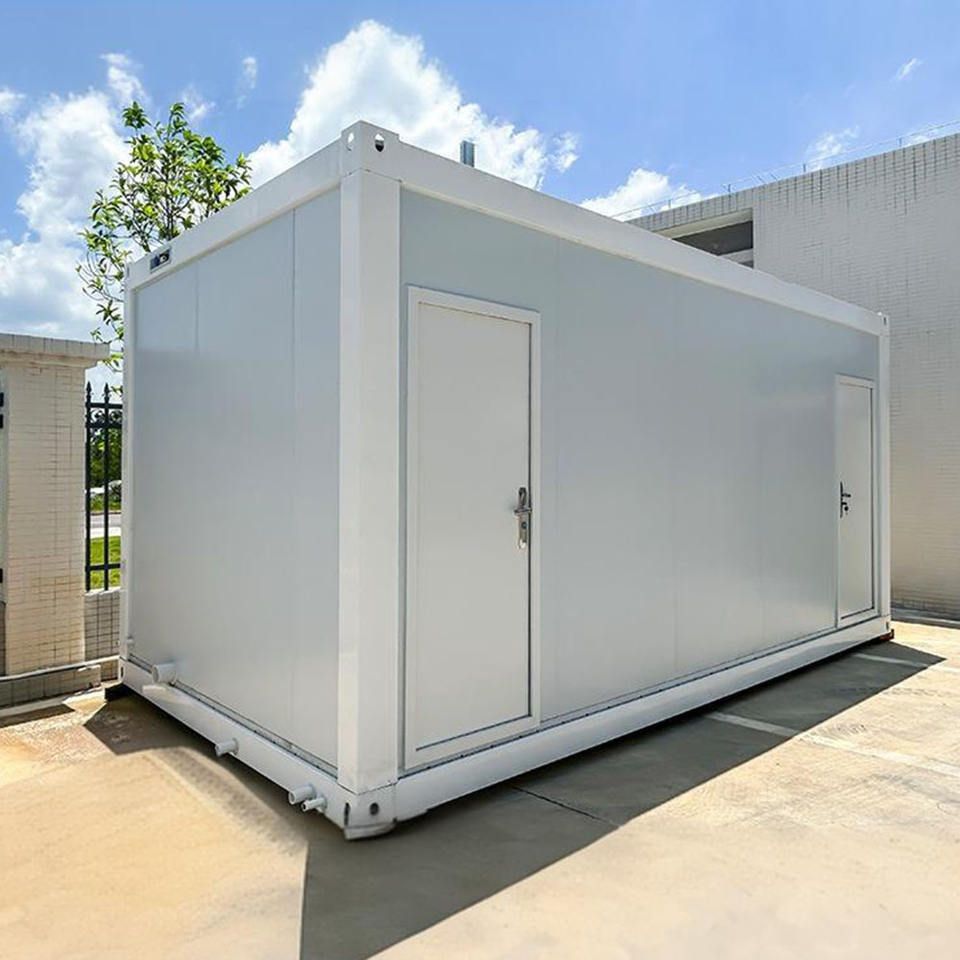
Long container houses generally refer to residential or architectural structures transformed from standard 20-foot or 40-foot maritime shipping containers, with their core performance, structural characteristics, and applicability as follows:
I. Structural Stability and Safety
Long container houses feature a steel frame as their core structure, originally designed to protect cargo, thus possessing high strength and resistance to deformation. For example, the products of Suzhou Zhongnan Steel Structure Co., Ltd. exhibit a maximum frame deformation of only 2mm under 12-level strong winds, well below the national standard limit of 10mm; the products of CIMC Modular Building Investment Co., Ltd. have a deformation of 3mm but adopt a semi-welded and semi-bolted connection structure, which slightly increases the probability of bolt loosening after long-term circulation. Structural stability must comply with the GB50011-2010 Code for Seismic Design of Buildings, with an anti-wind rating of at least level 10 and an earthquake resistance rating meeting local seismic fortification standards. If thin steel plates or inferior steel materials are used, the anti-wind capacity may only reach level 8, posing safety risks.
II. Modular Design and Combination Flexibility
Long container houses support modular combination, allowing for space expansion through stacking and splicing. For example, two- or three-story office areas need to address the structural mechanics issues of vertical stacking: the 4mm thick square steel columns from ordinary suppliers may deform after stacking two layers, while transformed suppliers use 6mm thick square steel columns with added stiffeners, increasing the overall compressive strength by about 50%. Water and electricity pipeline interfaces need to be standardized, such as integrating pre-buried pipelines into the chassis of the container and adopting quick-connect designs to reduce installation errors.
III. Environmental Adaptability and Durability
The service life of container houses is significantly affected by the environment. In humid or high-salt areas, anti-corrosion materials and technologies, such as high weather-resistant polyester resin coatings and moisture-proof aluminum foil layers, are required to reduce the probability of condensation. Regular rust prevention treatment, painting, and inspections can extend the service life to 25 years or longer. For example, Baotou Xinxing Color Plate Steel Structure Manufacturing Co., Ltd. effectively controls condensation issues when the diurnal temperature difference exceeds 20 degrees Celsius by adjusting the coating formula of the plates.
IV. Cost-Effectiveness and Applicable Scenarios
The construction cost of long container houses is generally lower than that of traditional houses, making them particularly suitable for areas with limited land resources or expensive building materials. Their rapid construction and mobility help reduce overall living costs. Applicable scenarios include construction site dormitories, wilderness campsites, emergency rescue operations, and commercial pop-ups, but compliant products must be selected according to scenario requirements. For example, long-term overseas on-site projects require products with high anti-wind and earthquake resistance ratings that comply with export regulations; emergency rescue scenarios require portable, foldable products that can be quickly deployed.



