Loft Portable Toilet
In loft settings, portable toilet types with high mobility and a small footprint can be selected, such as waterless packing types, mobile eco-friendly types, or prefabricated steel frame structure types.

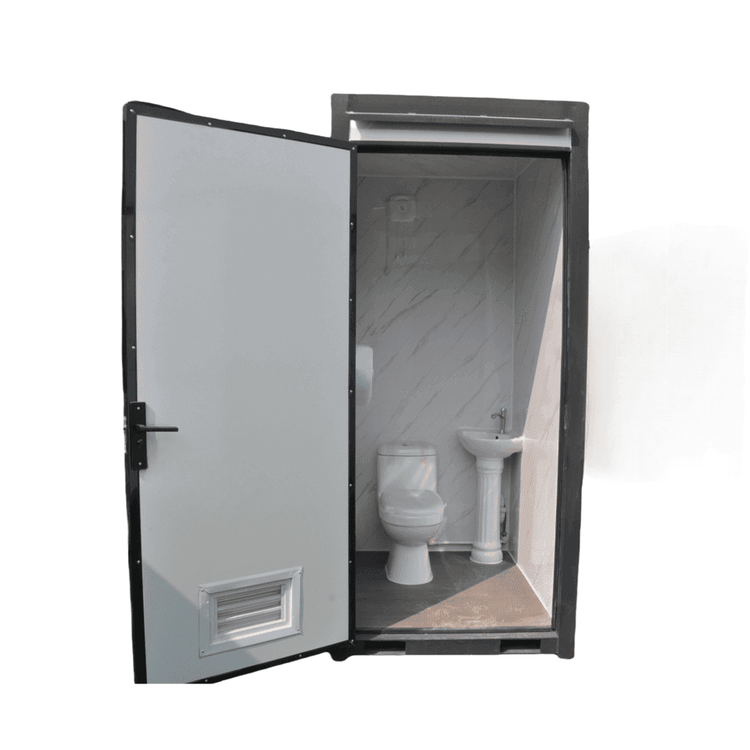
Portable toilets are suitable for a wide range of scenarios, including stations, docks, tourist attractions, newly built residential areas, large construction sites, squares, densely populated public places, and bustling commercial streets. They are also applicable for home use, such as in loft spaces that are limited and require flexible adjustments. Their basic components include fecal sewage storage tanks (or disposal units), flooring, sanitary ware, walls, washing facilities, water tanks, roofs, and mobile units. The structural forms can be divided into single structures and composite structures, while the mobility methods include hoisting, handling types, and powered or towed types.
Given the characteristics of loft spaces, waterless packing mobile public toilets are a top choice. This type does not require civil engineering work and can be installed and used directly, with low costs and high mobility. Its core advantage lies in avoiding resource waste caused by demolition or space adjustments. Additionally, it adopts an eco-friendly and energy-saving design, saving at least 80% more water resources, making it suitable for loft environments with strict water usage restrictions or frequent mobility needs.
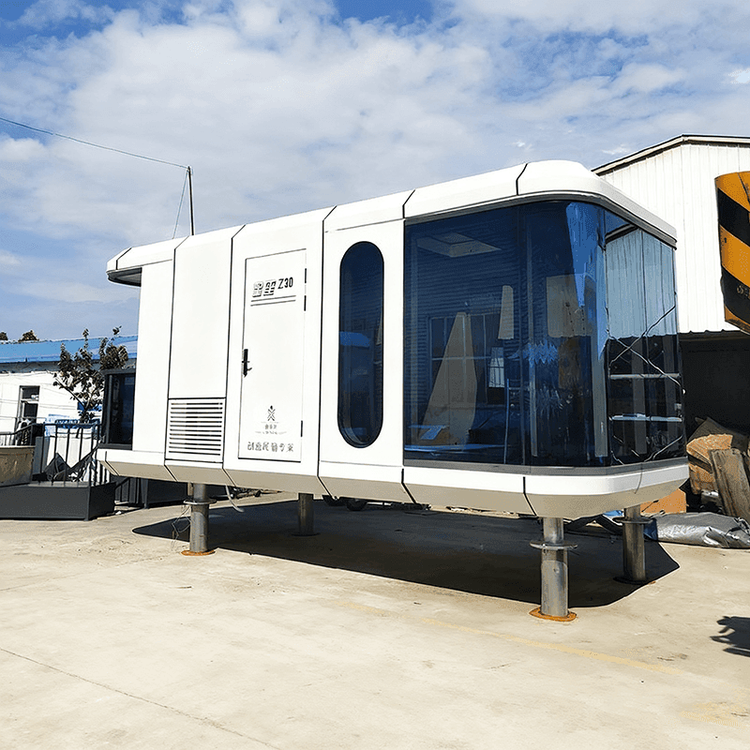
Mobile eco-friendly toilets also meet loft requirements. Their design emphasizes mobility and eco-friendliness, with a small footprint and an aesthetically pleasing appearance that can harmonize with the modern decor style of lofts. These toilets typically use lightweight materials for easy handling or hoisting, and their internal configurations are complete to meet daily usage needs.
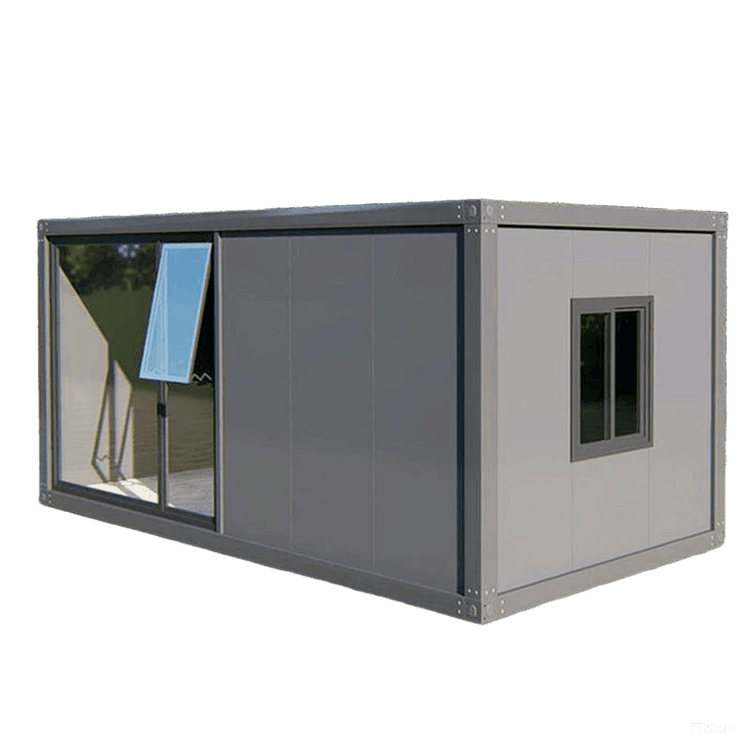
Prefabricated steel frame structure public toilets offer even greater flexibility. They adopt a modular production design and can be freely combined into different shapes and sizes according to the actual loft space. Their exterior designs are diverse, capable of adapting to narrow spaces and meeting the needs of multiple users through expanded modules. Furthermore, the modular structure facilitates disassembly and reassembly, allowing for layout adjustments based on needs during long-term use and avoiding resource waste.
When selecting, it is essential to consider the specific area, number of users, and decor style of the loft, prioritizing mobility, eco-friendliness, and spatial adaptability to ensure a balance between functionality and aesthetics.