
Local Outdoor Mobile Toilet Project
The local outdoor mobile toilet project requires comprehensive consideration of various factors, including facility types, functional configurations, geographical and climatic adaptability, rental service details, technical specifications, and industry characteristics.
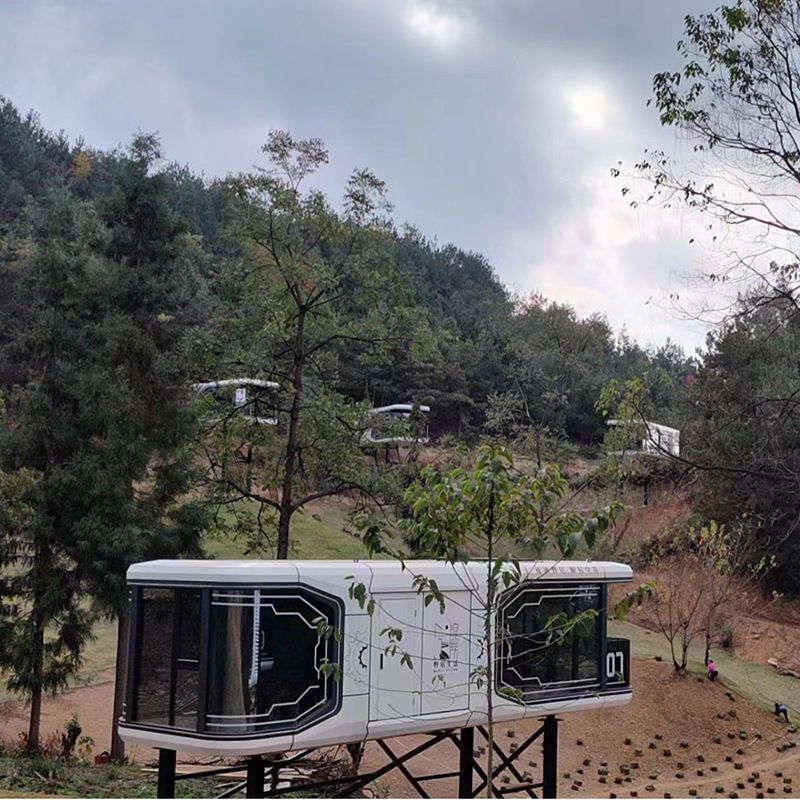
In terms of facility types, container-type mobile toilets have a stable structure and are suitable for long-term use scenarios, such as outdoor project sites lasting for several months. Trailer-mounted mobile toilets are equipped with movable chassis and are suitable for short-term event venues.
Regarding internal functional configurations, flushing systems include manual water-pressure type and electric circulation type. The former relies on external water supply pressure, while the latter has a built-in micro-pump for water circulation. Some models adopt dual-flush valves for water-saving design. Ventilation systems include natural ventilation type and mechanical ventilation type, relying on top louvers and low-noise exhaust fans respectively. Lighting systems generally use LED light sources, with power supply methods including external mains connection and independent battery packs.
In terms of geographical and climatic adaptability, in coastal areas with high air humidity, stainless steel materials or steel materials with anti-rust treatment should be selected. During typhoon seasons, anti-wind fixing measures such as anchor bolts or counterweights should be taken. In mountainous and hilly areas with undulating terrain, forklifts can be used for direct placement in flat areas, while segmented assembly is required in complex terrains.
Rental service details include short-term (within seven days) and long-term (several months) usage periods. For transportation, road conditions should be considered, and small-sized models should be selected for narrow alleys. Before installation, the flatness of the ground should be confirmed and sewage discharge interfaces should be reserved. Daily maintenance includes waste collection and disposal, cleaning and disinfection, and consumable replenishment, with different maintenance periods among rental providers.
In terms of technical specifications, the capacity of waste storage tanks ranges from several hundred liters to over a thousand liters, and should be selected according to the estimated number of users and cleaning cycles. The capacity of water tanks is related to water-saving design. Structural dimensions affect transportation feasibility and user comfort. Material thickness is reflected in wall panels and frames, affecting structural strength and thermal insulation performance.
Industry characteristics and standard requirements stipulate that temporary mobile toilet rentals should cover full-process system services, with higher standards for 'cleanliness', 'failure rate', and 'service timeliness'. In terms of environmental protection control, the proportion of equipment using waterless packaging or microbial degradation technologies is increasing, and most projects require zero sewage discharge.



