
Back to blog
Article
Local Cement Prefabricated Housing
Admin September 18, 2026
Local cement prefabricated housing is constructed using a prefabricated reinforced concrete full-frame shear wall structure as its core, through factory prefabrication and on-site assembly methods. It features a wide price range, high efficiency, low cost, environmental friendliness, and good performance, but also has drawbacks such as poor sound insulation, water leakage, and low overall safety.
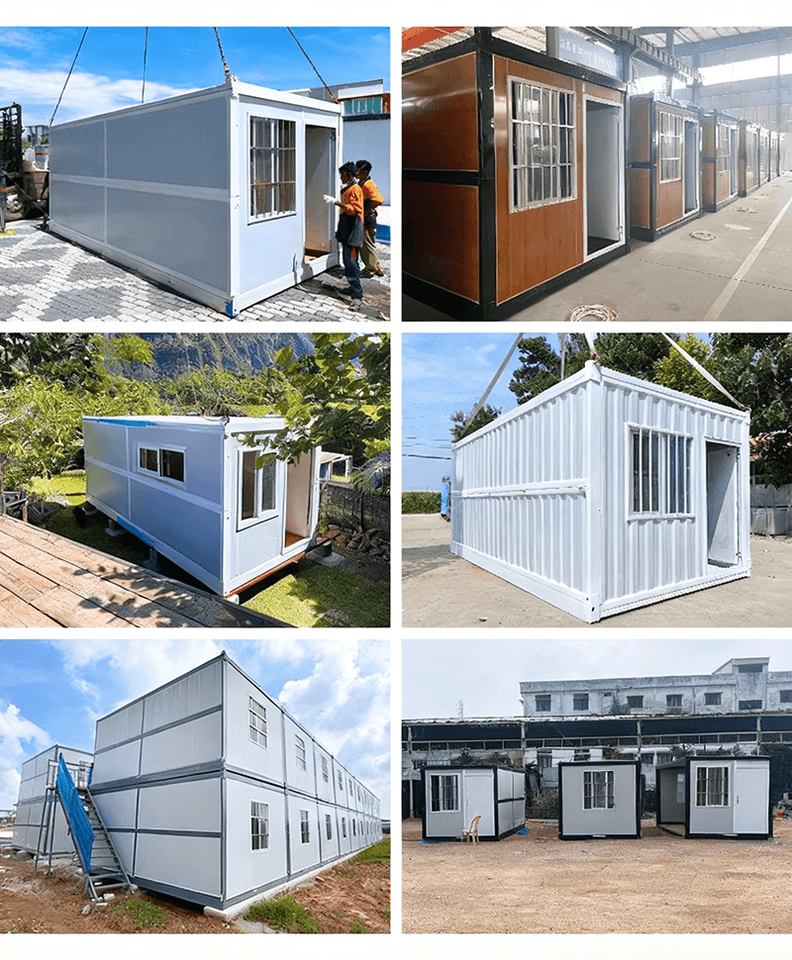
Price Situation
The prices of cement prefabricated housing vary significantly across different regions and enterprises. Related enterprises in Xuzhou, Jiangsu; Jining, Shandong; Shijiazhuang, Hebei; Qinhuangdao, Hebei; Xiangyang, Hubei; and Zhengzhou, Henan, offer products with prices ranging from over 100 yuan to more than 6,000 yuan per square meter.
Enterprise Situation
- Xi'an Tianhong Prefabricated Construction Engineering Co., Ltd.: Established in 2019 and located in Lintong District, Xi'an, it serves engineering clients in Xi'an and its surrounding areas, focusing on temporary construction for infrastructure sites and municipal supporting housing. It adopts manual formwork and on-site pouring methods, with a single production line producing an average of 3 standard prefabricated houses per day. Its core product line consists of standard-sized prefabricated cement houses, with common dimensions of 3.3m×6m and 3.6m×7.2m.
- Xianyang Hengxin Cement Products Co., Ltd.: Founded in 2018 and located in Liquan County, Xianyang, it expanded into the prefabricated cement housing business in 2020, serving multiple counties in northern Xianyang. In addition to conventional prefabricated cement houses, it specializes in small-sized customized products such as small cement sentry boxes and planting/breeding watch houses.
Technical Principles and Advantages
- Technical Principles: At specialized production bases, core components such as walls, floors, and beams are poured and formed in one piece using high-precision molds. Each module integrates multiple structures including a steel reinforcement framework, insulation layer, waterproof layer, and pre-embedded pipelines.
- Advantages: High efficiency, with a single 30㎡ module taking only 7 days for factory prefabrication and quick on-site installation; low cost, with the comprehensive cost of a 120㎡ rural self-built house being 30% lower than that of a traditional brick-and-mortar structure; environmental friendliness, with high recovery rates of offcuts during factory production and minimal pollution at construction sites; good performance, with high compressive strength, good thermal insulation, a wind resistance rating of up to Level 10, and a seismic fortification intensity of 7 degrees.
Safety Hazards
- Poor Sound Insulation: The thickness of prefabricated panels is usually around 10 centimeters, with long circular holes in the middle, allowing sound to penetrate easily and propagate.
- Water Leakage: Composed of independent panels with fine gaps between them, rainwater can easily seep in during the rainy season and corrode the steel reinforcement.
- Low Overall Safety: Compared to cast-in-place panels, small earthquakes may cause the house to collapse. Moreover, the quality of products on the market varies greatly, with a majority being of inferior quality and having a short service life.
Related
You may also like

27Oct
Portable Toilet Eco-Friendly: MOQ, Samples & Quotation Guide
Read More
27Oct
Top Portable Toilet Color Steel Manufacturers: How to Choose a Factory Partner
Read More27Oct
Portable Toilet Picture: Types, Features & Buying Tips
Read More
27Oct