
Lixin Mobile Toilet
Lixin mobile toilets are convenient sanitation facilities designed for temporary events, outdoor construction, and other scenarios, featuring rapid setup, environmental protection, and flexible leasing options. Here is a detailed introduction:
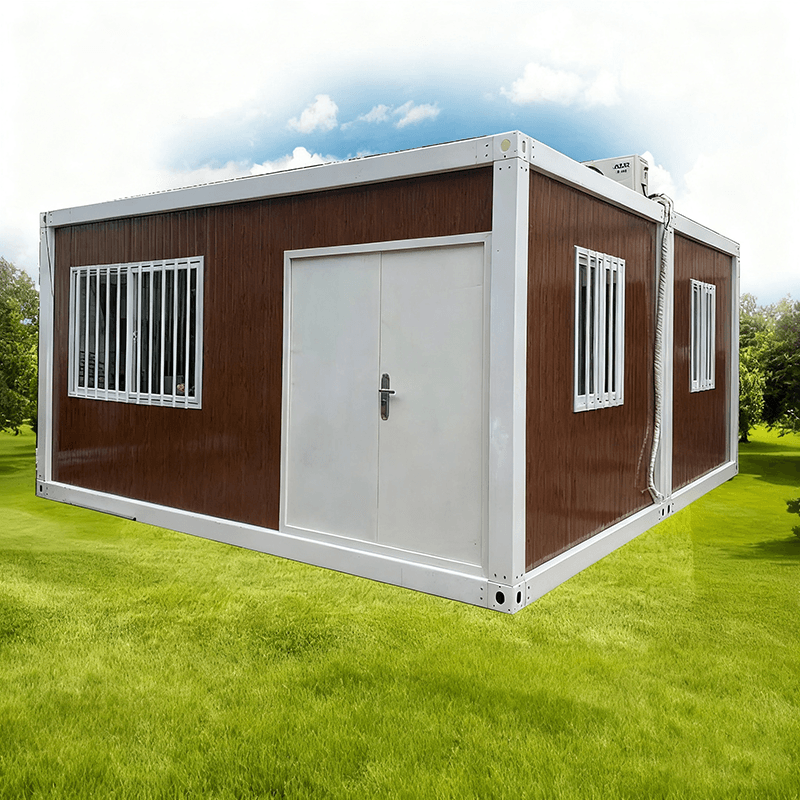
Product Types and Services
Lixin County offers rental and sales services for mobile toilets, specifically designed for temporary events, outdoor construction, large-scale events, and other scenarios. These mobile toilets are made of high-strength lightweight materials, facilitating quick setup and mobility to meet temporary sanitation needs in various settings. They are also equipped with water-saving eco-friendly toilets and intelligent deodorization systems to ensure hygiene and fresh air, providing users with a comfortable experience. Additionally, customized capacity and configuration plans can be tailored to customer needs, along with one-stop services including installation, maintenance, and regular replacement of consumables. Flexible leasing models are available to accommodate customers' actual requirements.
Product Specifications and Customization
Some suppliers offer related mobile toilet products, such as the Laris brand mobile toilet from Ningbo Laris Metal Technology Co., Ltd., model LRS001. This product can be customized, with materials such as color-coated steel sheets and colors tailored to customer preferences. There are two options for sewage disposal: direct discharge or with a fecal tank, suitable for locations including parks. The dimensions are 1.11.11.28mm, priced at 1100 yuan per unit, with no minimum purchase quantity, meeting the procurement needs of different customers.
Installation Convenience
Henan Guting Metal Products Co., Ltd. is one of the mobile toilet manufacturers in Bozhou, offering easy-to-install mobile toilets. The simple installation process does not require cumbersome foundation treatment or pipeline laying like traditional toilets. Typically, they only need to be placed at the predetermined location and connected to water and electricity (if necessary) to be put into use. Moreover, long-term planning permits are not required during installation, significantly saving time and costs while improving usage efficiency.
You may also like

Portable Toilet Eco-Friendly: MOQ, Samples & Quotation Guide
Read More
Top Portable Toilet Color Steel Manufacturers: How to Choose a Factory Partner
Read MorePortable Toilet Picture: Types, Features & Buying Tips
Read More