
Lixin Kanji Mobile Toilet
No direct information about the 'Lixin Kanji Mobile Toilet' has been found at present. Here is some supplementary information about mobile toilets for reference:
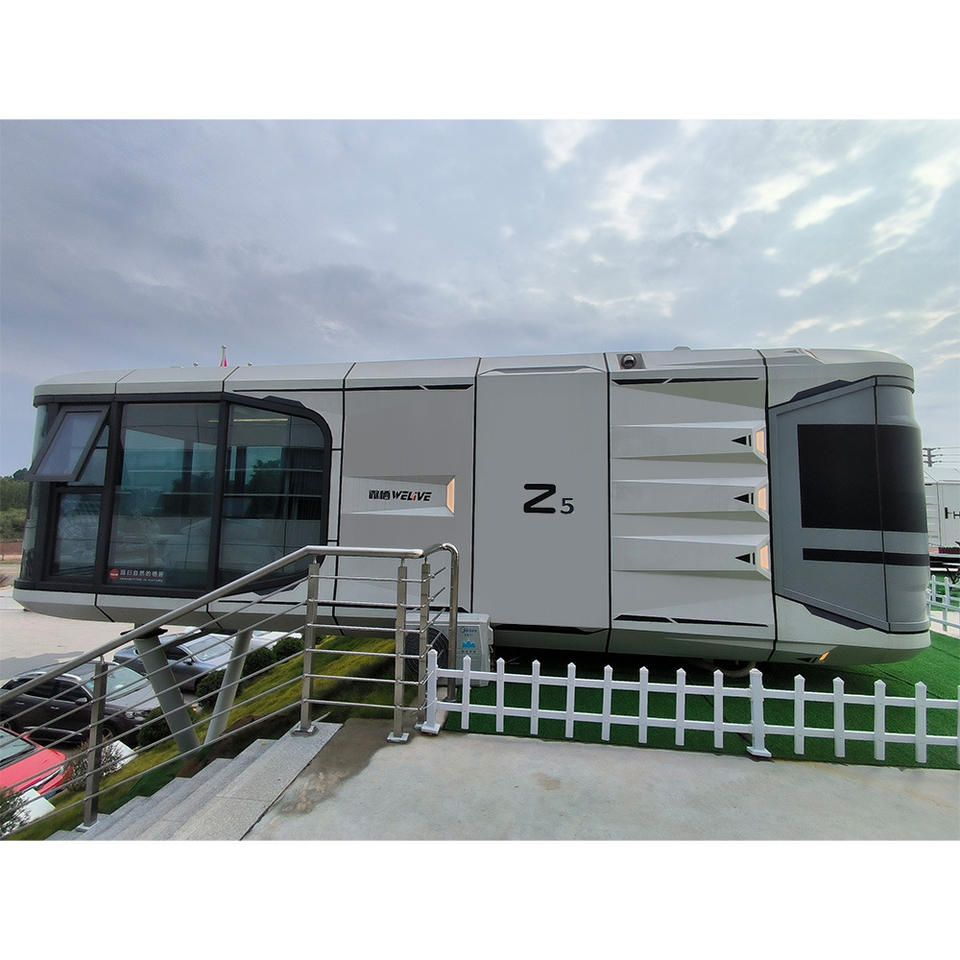
1. Common Types of Mobile Toilets Mobile toilets can be classified into single-unit, connected-unit, and trailer-mounted types based on usage scenarios and technical features. Single-unit mobile toilets are usually small in size, easy to arrange flexibly, and suitable for temporary events or small venues. Connected-unit mobile toilets are composed of multiple toilet compartments and are suitable for areas with high foot traffic. Trailer-mounted mobile toilets are moved by vehicles and can be quickly deployed to different locations. In addition, according to the treatment method, mobile toilets can also be divided into packing-type, foam-type, and microbial-degradation-type. Packing-type mobile toilets collect excreta using degradable materials without the need for external water sources and sewage pipes. Foam-type mobile toilets use foaming liquid to reduce water consumption while suppressing odors. Microbial-degradation-type mobile toilets decompose excreta through microorganisms to achieve environmentally friendly treatment.
2. Supply Channels for Mobile Toilets If you need to purchase or rent mobile toilets, you can contact professional manufacturers or service providers. For example, Henan Guting Metal Products Co., Ltd. is a mobile toilet manufacturer in the Bozhou area, providing customized metal product services including mobile toilets. Falilai Group focuses on the research and development, production, sales, and leasing of mobile toilets, with its business covering multiple regions across the country. These enterprises can usually provide mobile toilets of different specifications and functions according to customer needs and are responsible for transportation, installation, and maintenance.
3. Applicable Scenarios for Mobile Toilets Mobile toilets are widely used in various scenarios due to their flexibility and convenience. For example, temporary venues such as construction sites, outdoor music festivals, sports events, and tourist attractions often use mobile toilets to meet toilet demands. In special environments such as disaster relief areas and field expeditions, mobile toilets can be quickly set up to provide basic sanitation facilities. In addition, some cities also use mobile toilets as temporary alternatives during the renovation of public toilets.
4. Considerations for Choosing Mobile Toilets When purchasing or renting mobile toilets, the following factors need to be considered: The number of toilet compartments should be estimated according to the foot traffic. The treatment method should meet environmental protection requirements. The material durability should be suitable for the outdoor environment. The maintenance cost should include regular cleaning and consumable replacement costs. It is recommended to communicate your needs with the supplier in advance to ensure that the functions and specifications of the mobile toilets meet the actual usage scenario.



