
Living in Container Mobile Homes
The experience of living in container mobile homes is influenced by design, configuration, and environmental factors, and may involve issues such as cramped space, inadequate facilities, and poor living comfort. However, with standardized design and reasonable configuration, they can meet temporary living needs.
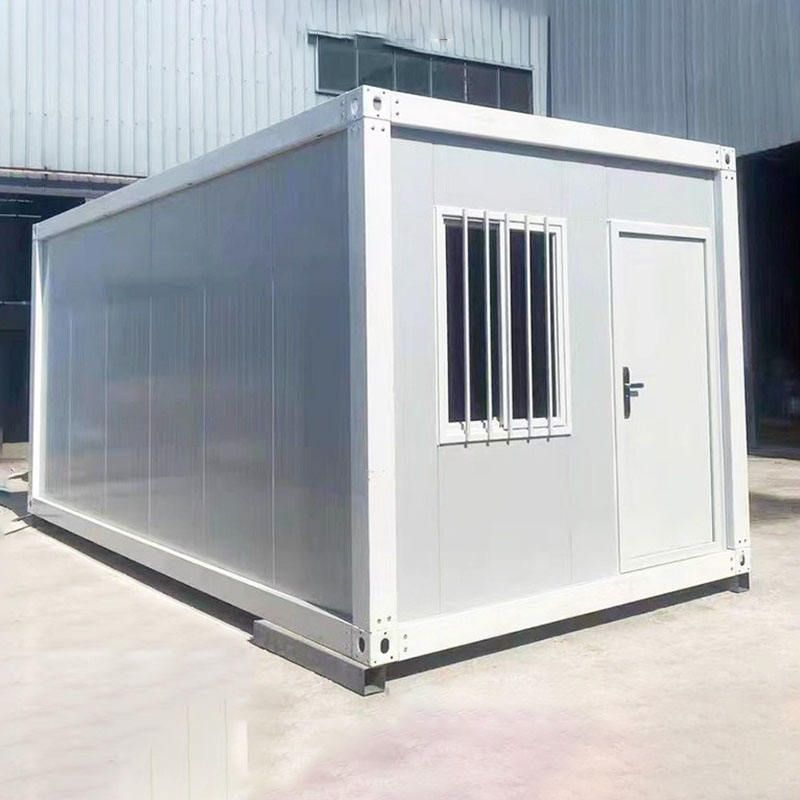
Space and Layout
Container mobile homes are usually small in size. Taking the container houses used in the Nagoya Asian Games as an example, each unit covers an area of 35 square meters and accommodates 4 beds. The aisles are extremely narrow, allowing only sideways movement. The ceiling height is limited; generally, the interior height of a standard container is about 2.4 meters, and after installing a ceiling and floor, the net height may be only about 2.1 meters. For tall athletes, this can be oppressive, and they may be able to touch the ceiling with their palms when standing. The bed sizes may also be inappropriate. For instance, a single bed is 195 centimeters long and 90 centimeters wide, so basketball and volleyball players who are about 2 meters tall may have their feet hanging in the air when lying down, affecting sleep quality.
Facility Configuration
- Air Conditioning: Some container houses have insufficient air conditioning, with only one unit per house. In hot and humid environments, the interior quickly becomes stuffy and unbearable after closing the door, affecting living comfort.
- Sound Insulation: The sound insulation effect may be poor, as metal wall panels have limited sound insulation performance. At night, one may be disturbed by noise such as the snoring of roommates next door and may need to wear earplugs to sleep.
- Other Facilities: Although basic facilities such as toilets, bathrooms, refrigerators, sinks, and washing machines may be provided, problems may arise during actual use, such as sink leakage and wet floors.
Environment and Response
- Extreme Weather: During extreme weather conditions, the drainage and waterproofing capabilities of container houses are put to the test. For example, when Nagoya experienced extreme heavy rainfall, hundreds of Asian Games athletes were once required to evacuate their accommodation sites, and some container camps faced emergencies.
- Commuting: If the container camp is far from the competition venue, the commuting time by bus to and from the competition site may be long, consuming additional physical energy of the athletes.



