Living in a Container House for Three Years
It is feasible to live in a container house for three years, and with reasonable maintenance, it can be safely inhabited for a long time, with a typical lifespan of 20-30 years, and some specially designed ones can last up to 50 years.

I. Long-term Residential Attributes of Container Houses
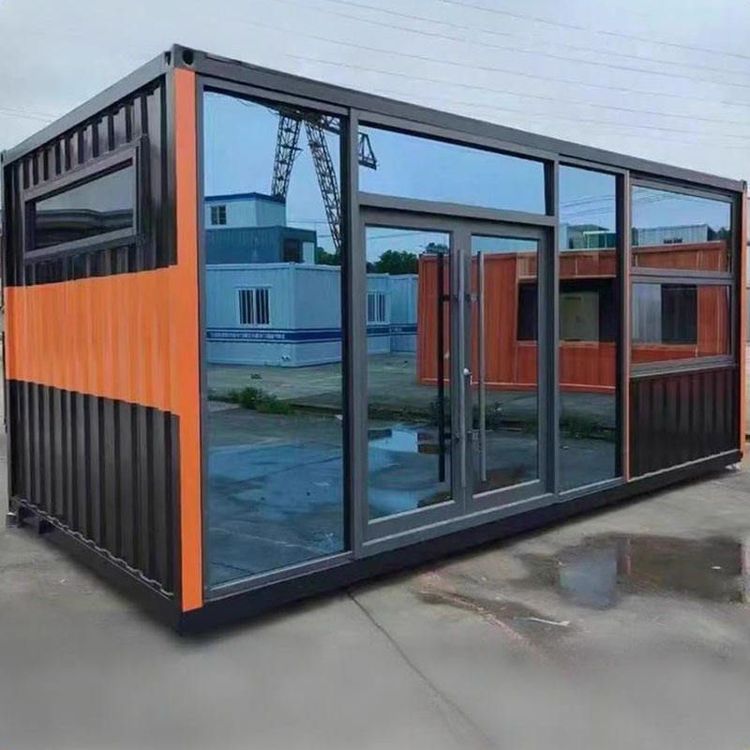
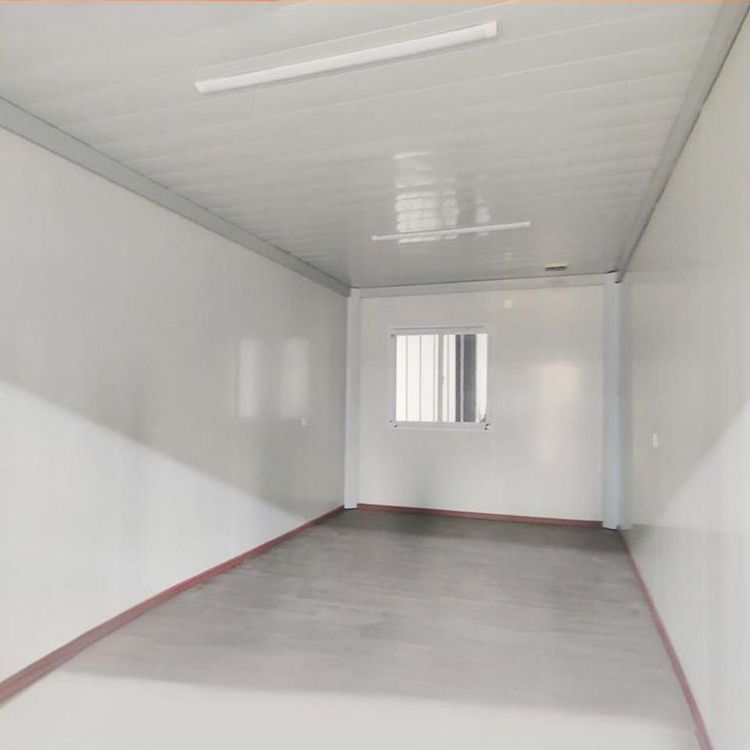
Container houses are not just for temporary use; their design can meet long-term living needs. Through customized renovations, appliances such as air conditioners, televisions, and integrated bathrooms can be installed, and interior and exterior decorations can be completed to enhance living comfort. For example, in the Venezuelan Central Power Plant Camp project, container houses were used as semi-permanent buildings with a lifespan exceeding 25 years.
II. Core Factors Influencing Lifespan
Materials and Craftsmanship
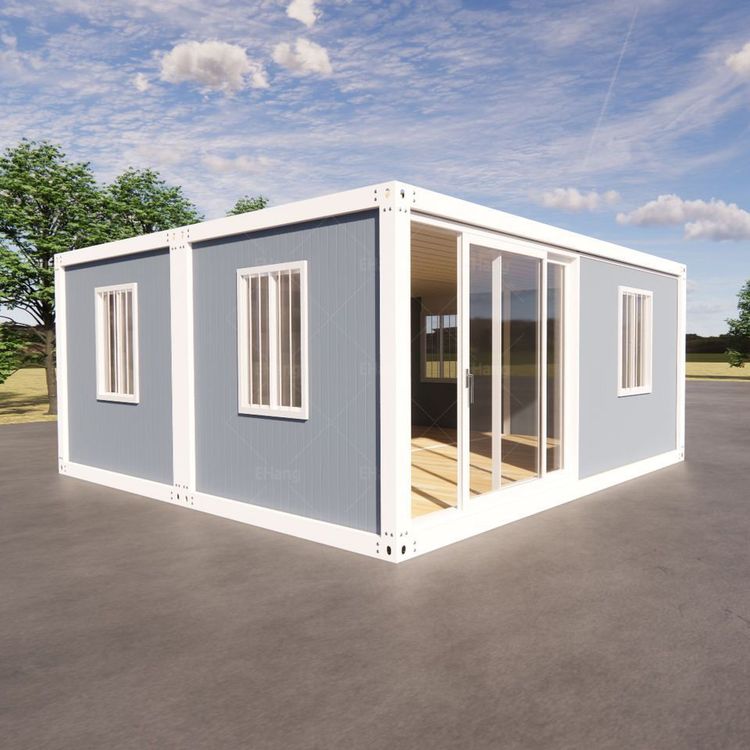
- Custom corrugated residential containers use galvanized steel plate glass wool sandwich panels, offering better fire and thermal insulation performance than foam sandwich panel mobile homes, with a basic lifespan of 10-15 years.
- Light steel villa-type container houses, after professional technical treatment, can have a lifespan of up to 50 years.
- Standard shipping containers, due to prolonged exposure to harsh environments, typically have a lifespan of less than 5 years, but structural reinforcement and anti-corrosion treatments are carried out when repurposed for residential use.
Usage Environment
- Dry environments (such as deserts) can extend lifespan, while humid environments (such as coastal areas) can accelerate metal corrosion, necessitating enhanced waterproofing and moisture-proofing measures.
- Extreme climates (such as strong winds and earthquakes) require technical measures such as structural reinforcement and the addition of wind-resistant anchor bolts to enhance safety.
Maintenance and Upkeep
- Regular inspection of joint sealing, painting for rust prevention, and replacement of aging components are crucial. For example, Qinghai Guangzan Light Steel recommends comprehensive maintenance every 2-3 years, which can extend the lifespan to over 30 years.
- Lifetime maintenance packages (such as transportation + maintenance bundles offered by some manufacturers) can reduce long-term usage costs.
III. Supporting Practical Application Cases
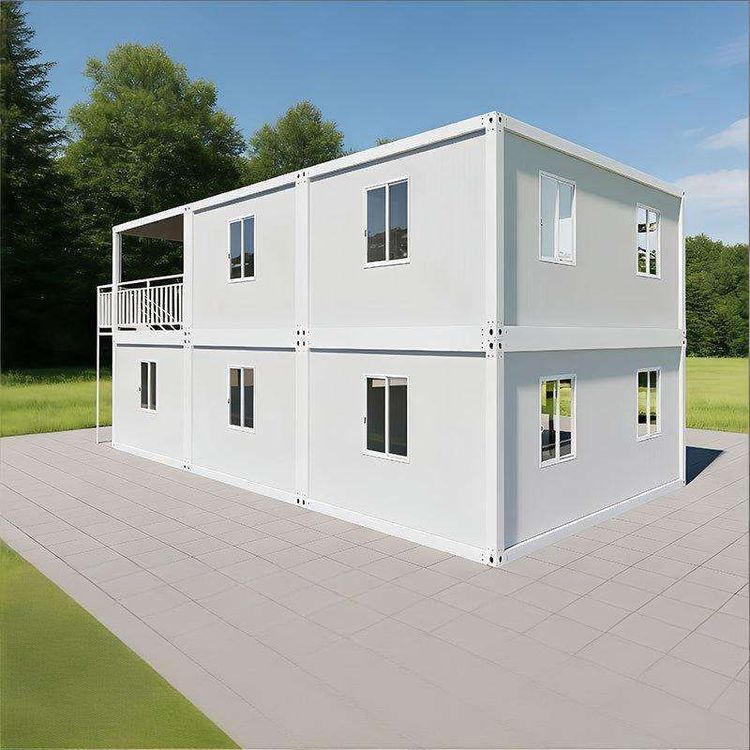
- Temporary and Semi-permanent Buildings: Construction site assembly houses have a lifespan of 5-20 years, box-type houses 8-15 years, and light steel villas 50 years.
- Extreme Environment Applications: In the Xinjiang Dashixia Dam project, container houses maintained stable performance under conditions of large temperature differences and strong winds and sand.
- Innovative Scenarios: The Nagoya Asian Games in Japan used container houses to form the Asian Games Village, and Zaozhuang, Shandong, created a container homestay scenic area, both verifying the feasibility of long-term use.