
Cost of Prefabricated Houses for Listed Companies
There is no clear publicly available data on the cost of prefabricated houses for listed companies, but the overall cost of prefabricated houses in China is approximately around 200,000 RMB, with a construction cost of about 300+ RMB per square meter, subject to various influencing factors.
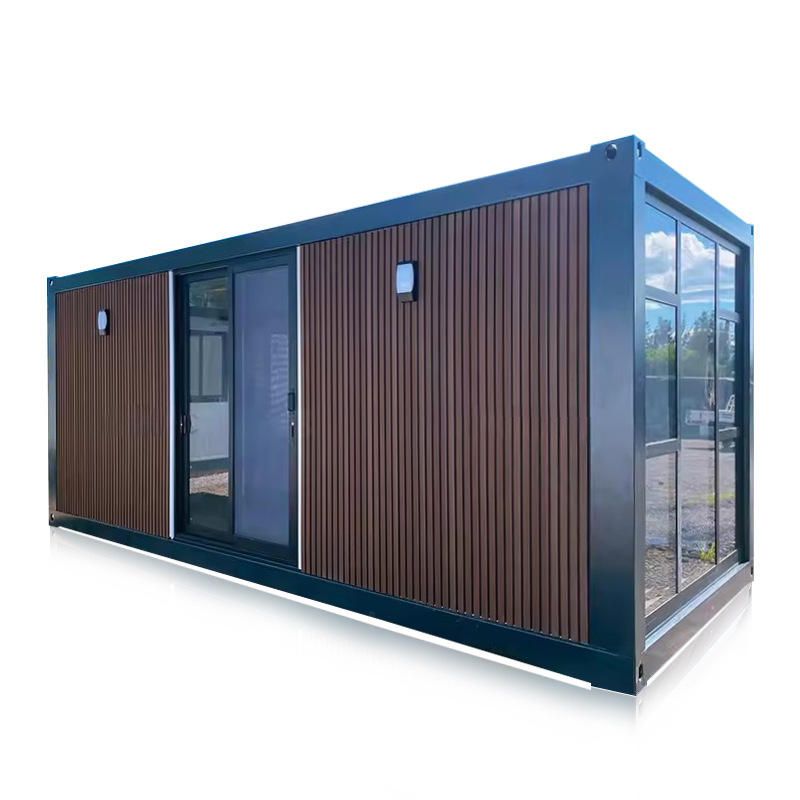
Based on the currently available public information, the cost situation of prefabricated houses in China provides some reference value. For example, the cost of a prefabricated house produced on an assembly line in a factory in Huanggang, Hubei, is approximately 200,000 RMB, reflecting the cost level of prefabricated houses under industrialized production models. Additionally, reports indicate that a two-bedroom, one-living-room prefabricated house of about 70 square meters, complete with kitchen and bathroom facilities and all socket outlets pre-installed, costs less than 30,000 USD, equivalent to less than 200,000 RMB, further confirming the cost advantage of prefabricated houses for small to medium-sized units.
The cost composition of prefabricated houses is relatively complex, with a construction cost of about 300+ RMB per square meter, but this figure is not fixed. Material costs are one of the key factors affecting the cost of prefabricated houses, with significant price variations in building materials across different regions and qualities directly leading to fluctuations in the cost of prefabricated houses. Production costs are also important, including factory equipment investment, labor costs, production efficiency, etc., all of which impact the final cost of prefabricated houses. Transportation costs cannot be overlooked, as prefabricated houses typically need to be transported from the factory to the construction site, with transportation distance and method increasing costs. Installation costs involve the complexity of on-site construction, labor expenses, etc., with installation costs varying across different regions and construction teams.
Furthermore, factors such as regional differences, house types, configurations and decorations, and market supply and demand also affect the cost of prefabricated houses. For example, there may be significant cost differences between prefabricated houses in first-tier cities and those in second and third-tier cities; the costs of luxury prefabricated houses and economical prefabricated houses will also differ; when market supply and demand are tight, the cost of prefabricated houses may rise, and vice versa.



