Materials for Mobile Toilets in Lishui Scenic Areas
The commonly used materials for mobile toilets in Lishui scenic areas include four major categories: color-coated steel plates, stainless steel, FRP (fiberglass-reinforced plastic), and wooden materials. The specific choice should be made by comprehensively considering the usage scenario, budget, and aesthetic requirements.

1. Color-Coated Steel Plates
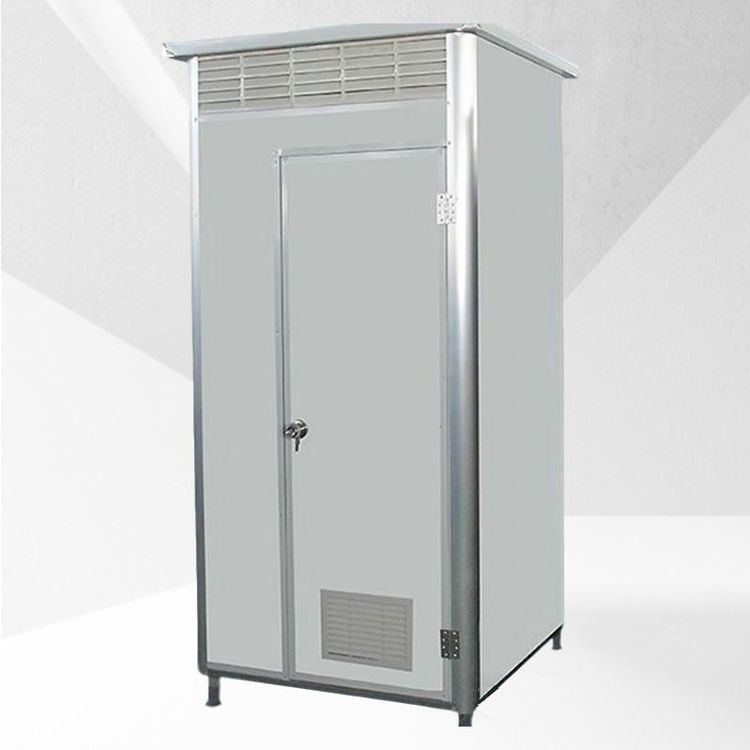
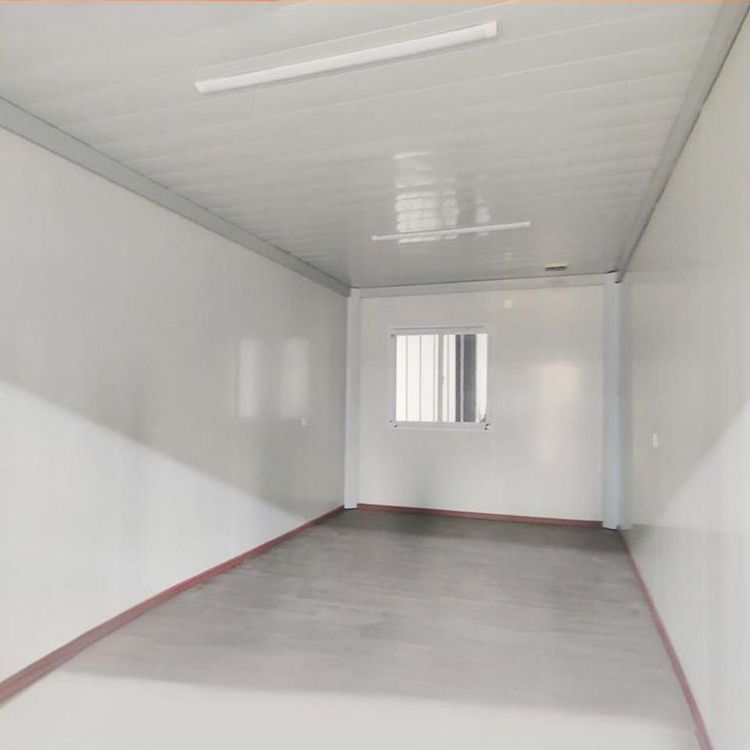
Color-coated steel plates are composed of color-coated steel sheets and core materials such as foam or rock wool. They are characterized by light weight, easy installation, and relatively low cost. The surface coating effectively prevents rust, while the core material provides thermal insulation, making them suitable for temporary scenarios such as scenic area festivals, construction sites, or short-term exhibitions. The materials can be quickly assembled and disassembled, facilitating reuse and effectively reducing long-term usage costs. However, it should be noted that color-coated steel plates have relatively weak durability and may experience performance degradation due to coating aging or core material water absorption when exposed to the outdoors for extended periods, requiring regular maintenance.
2. Stainless Steel
Stainless steel is renowned for its high strength, corrosion resistance, and excellent durability. Its smooth surface is easy to clean, meeting the high hygiene standards of scenic areas. With a modern and simple appearance, it can enhance the overall image of the scenic area and is suitable for areas with high foot traffic and frequent usage, such as park entrances, squares, or core tourist areas. Stainless steel materials are highly impact-resistant, not easily deformed, and require minimal maintenance, resulting in relatively low long-term usage costs. However, the cost is relatively high, and design flexibility is limited, mostly featuring simple shapes, making it suitable for scenarios that balance practicality and aesthetics.
3. FRP (Fiberglass-Reinforced Plastic)
FRP is composed of glass fibers and synthetic resins, combining light weight, high strength, corrosion resistance, and aging resistance. It has strong moldability and can be designed into various shapes such as streamlined or bionic forms, highly compatible with the styles of natural landscapes or themed scenic areas. Additionally, FRP materials are resistant to acids and alkalis, moisture, and mildew, making them suitable for outdoor locations with complex environments such as seashores or wetlands, or areas with high moisture resistance requirements. However, it should be noted that the surface of FRP is susceptible to ultraviolet light and may yellow over time with long-term use. It is advisable to choose materials with added ultraviolet inhibitors or apply regular protective coatings.
4. Wooden Materials
Wooden materials are typically made of preservative-treated wood, which, after special treatment, possesses insect resistance, moisture resistance, and corrosion resistance. They can naturally blend into environments such as parks, resorts, or rural scenic areas, creating a warm and original ecological atmosphere. Their natural texture can harmonize with surrounding vegetation, water bodies, and other landscape elements, enhancing the visitor experience. However, wooden materials require regular maintenance (such as applying preservative paint) and have poor fire resistance, necessitating keeping them away from fire sources or implementing fire prevention measures. Additionally, wood is susceptible to deformation due to humidity and requires enhanced structural stability design in humid areas.