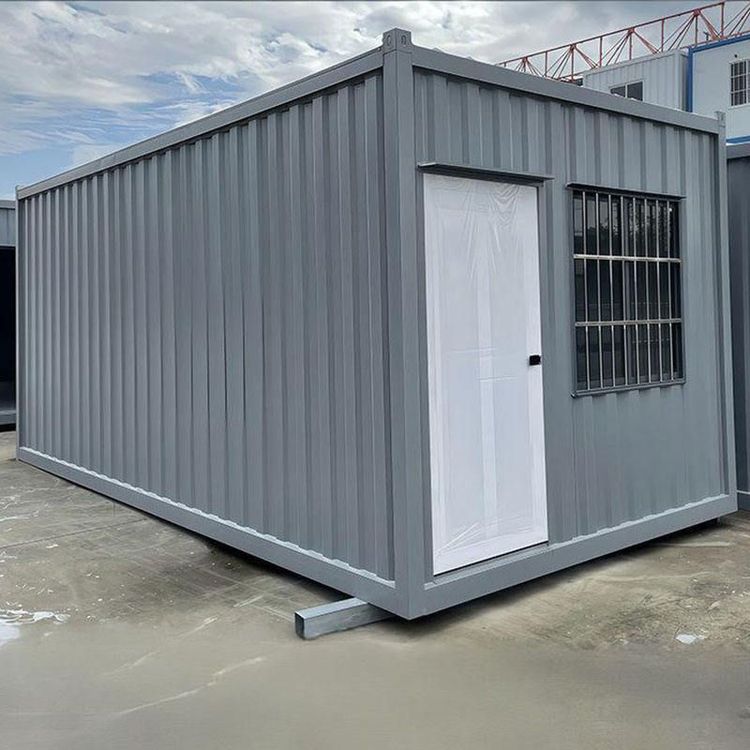
Lishui Mobile Toilet Installation
The installation of mobile toilets in Lishui should be carried out scientifically in steps, taking into account site conditions, technical specifications, and environmental adaptability requirements. The specific installation points are as follows:

I. Site Assessment Before Installation
- Load-bearing Capacity Testing: It is necessary to confirm that the foundation load-bearing capacity of the site meets the weight requirements of the toilet when fully loaded to avoid structural damage caused by foundation settlement. For example, at construction sites in the mountainous areas of Qingyuan, due to complex geological conditions, geological exploration should be carried out in advance, and the foundation should be reinforced if necessary.
- Sewage System Connection: If the site is close to the municipal sewage network, temporary sewage pipes should be planned for connection; in remote areas, models with built-in biochemical treatment or packaging and collection devices should be selected to ensure the harmless treatment of feces.
- Transportation Route Planning: Select an appropriate transportation vehicle model according to the site location. In mountainous areas with narrow roads, it is recommended to use modular-designed toilets, which can be disassembled and transported by vehicles under 3 tons to avoid difficulties in the passage of large vehicles.
II. Key Steps in the Installation Process
- Foundation Treatment: The ground should be leveled and hardened to prevent settlement. If the site has a large slope (e.g., more than 5%), a model with anti-slip pedals should be customized to ensure safety during use.
- Module Assembly: Assemble the toilet units according to the design drawings, focusing on checking the tightness of the connection parts to prevent sewage leakage. For example, the interface between the septic tank and the toilet body should be sealed with waterproof glue, and the pressure-bearing capacity should be tested.
- Function Debugging: After installation, test the ventilation, lighting, sewage discharge, and other systems. In areas with high summer temperatures, ventilation should be enhanced or small exhaust fans should be installed; in low-temperature environments in winter, the pipelines should be wrapped with insulation layers or small heating devices should be equipped to prevent freezing.
III. Environmental Adaptability Design
- Rainy Areas: The roof should be designed with a drainage slope to avoid water accumulation; the floor material should be anti-slip, such as frosted tiles or anti-slip floor glue, to reduce the risk of slipping.
- Coastal or High-humidity Areas: Metal parts should be treated with anti-corrosion measures, such as spraying anti-rust paint or using stainless steel materials, to extend their service life.
- Extreme Climate Areas: In areas with strong winds, the toilets should be reinforced with anchor bolts; in high-altitude areas, the ventilation system should be optimized to prevent oxygen deficiency or odor accumulation.
IV. Acceptance and Maintenance
After installation, professional personnel should conduct acceptance checks, examining structural stability, sewage discharge efficiency, and safety facilities. For daily maintenance, the septic tank should be cleaned regularly, the tightness of the pipelines should be checked, and usage data should be recorded to provide a basis for subsequent optimization.