
Lishi Mobile Toilet Installation
The installation of mobile toilets in Lishi requires selecting the appropriate process based on the type. There are differences in the installation steps between split-type and integrated mobile toilets, but both need to ensure a solid foundation, standardized connections, and normal functionality.
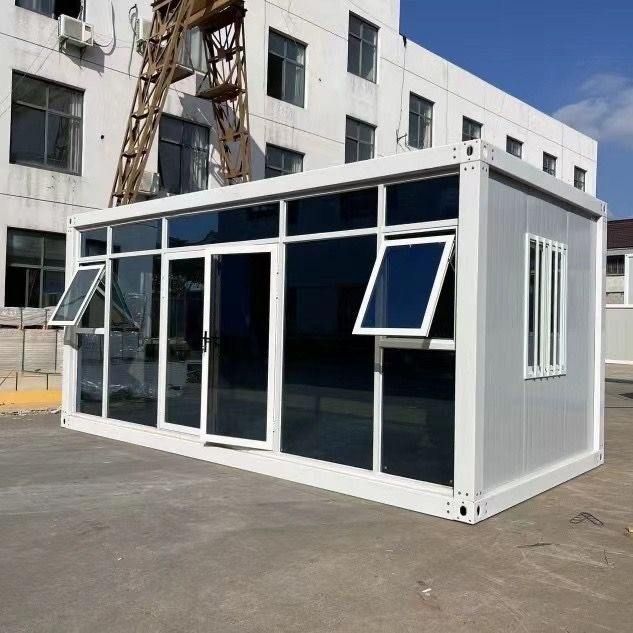
Split-Type Mobile Toilet Installation Process
Pre-Installation Preparation
Determine the installation location according to the site plan, ensuring that the ground is solid and the drainage is smooth. Check for any blockages in the sewage pipes and use a level to check the ground levelness to avoid structural instability or poor drainage due to tilting.Chassis and Frame Positioning
Use a forklift or manual labor to place the prefabricated steel structure chassis steadily in the predetermined position. Adjust the support feet or shims to ensure the chassis is level. The stability of the chassis directly affects the quality of subsequent wall installation and requires careful inspection.Wall and Roof Panel Installation
Insert the sandwich panel wall panels into the chassis slots one by one and secure them with bolts or clips to ensure a tight connection. Then install the roof panels and apply waterproof sealant at the joints to prevent rainwater leakage. Wall installation usually takes 1-2 hours, and attention should be paid to the alignment between panels.Internal Facility Connection
Install partitions, toilets, flushing systems, sinks, and other facilities, and connect water and electricity pipelines. For toilet installation, mark a cross-center line at the sewage outlet, extend it to the bottom feet, determine the foot positions, drill holes, and embed expansion screw sleeves. It is recommended that water and electricity connections be carried out by professionals, and modular quick connectors can shorten the time.Bottom Sealing Treatment
Install a special sealing ring at the toilet sewage outlet or apply glass glue or cement mortar (ratio 1:3) around the sewage pipe to ensure sealing and prevent odor leakage or sewage overflow.Function Inspection and Debugging
Conduct flushing tests, circuit checks, and sealing tests to confirm that all functions are normal before putting them into use.
Integrated Mobile Toilet Installation Process
Integrated toilets (such as box-type ones) have completed interior decoration and equipment integration in the factory. On-site installation only requires lifting them into place and connecting water, electricity, and sewage pipes. The installation time can be shortened to 2-4 hours, but it is necessary to ensure a smooth lifting process to avoid collision damage to internal facilities. Standard connectors should be used when connecting pipes to prevent leakage.



