Lishan Container House
There is relatively little information about container houses in Lishan District, but as a modular form of construction, container houses are widely used in scenarios such as construction sites and temporary offices, offering advantages like rapid installation and mobility for repeated use.

Definition and Characteristics of Container Houses
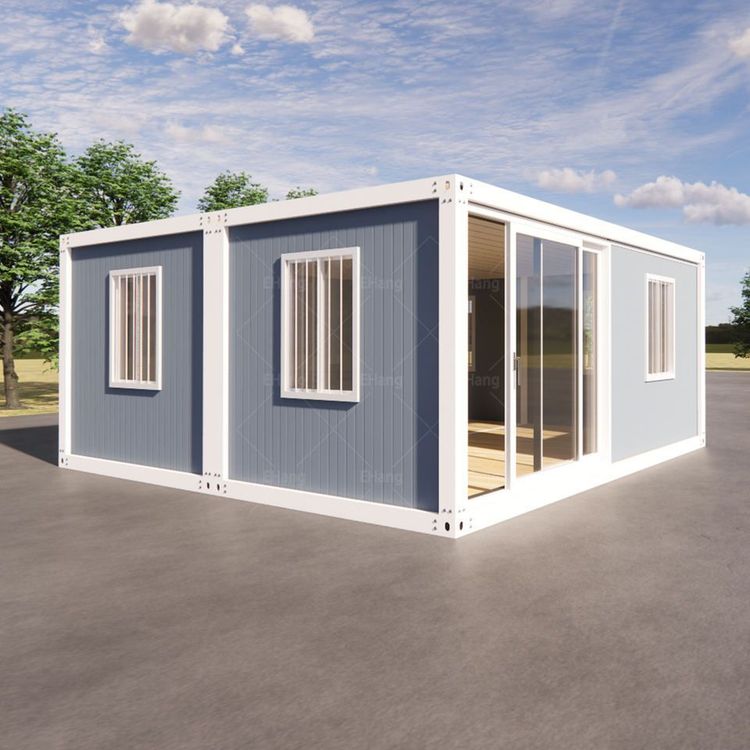
Container houses are temporary or semi-permanent buildings constructed using standardized steel structural modules. Their main frames are typically made of high-strength cold-formed steel, with thermal insulation layers filled inside and anti-corrosion coatings or color-steel plates covering the exterior. This form of construction offers significant advantages such as rapid installation, mobility for repeated use, and cost-effectiveness with environmental friendliness. For example, modular design enables basic installation to be completed within 24 hours, saving over 30% in costs compared to traditional buildings, with a material recycling rate of up to 85%.
Application Scenarios of Container Houses
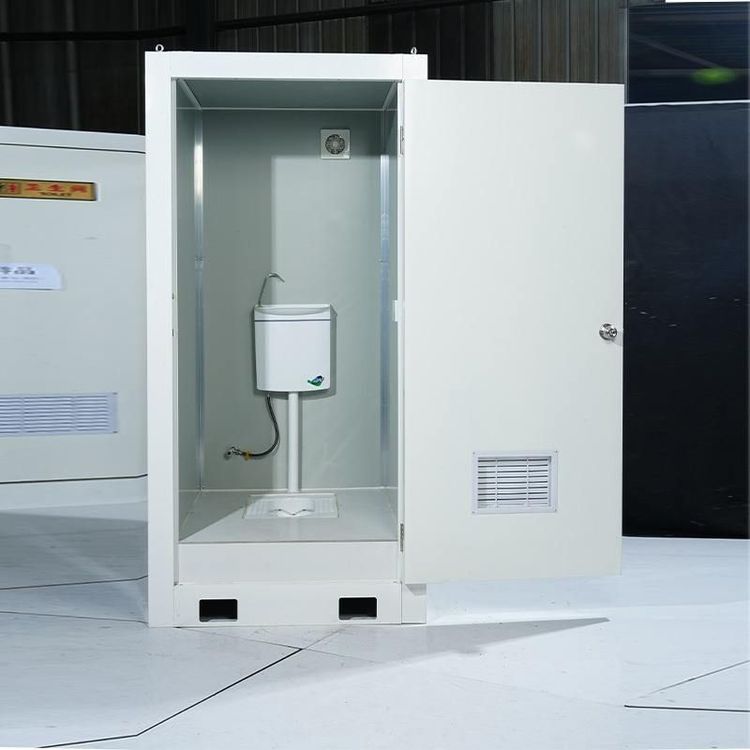
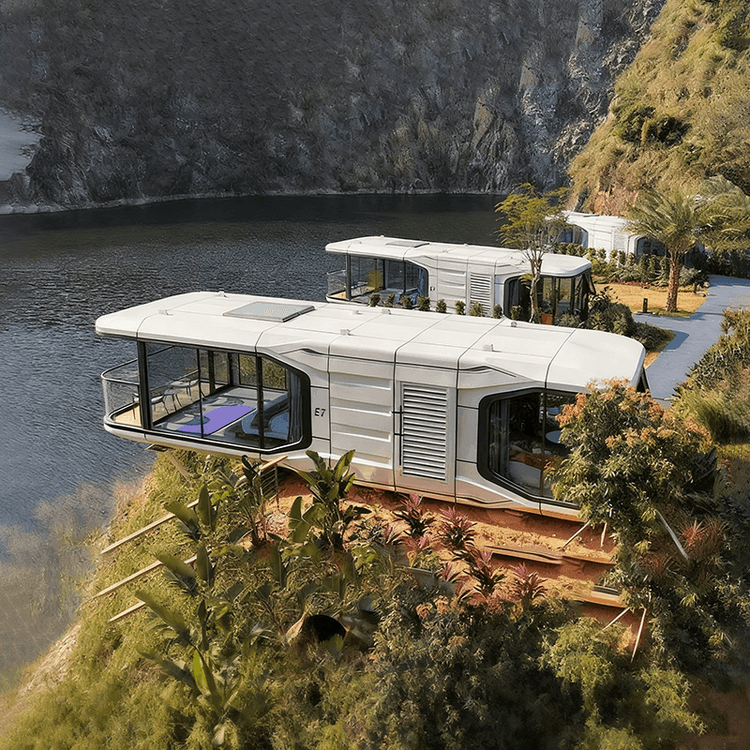
Container houses are widely used in scenarios such as temporary offices and worker dormitories at construction sites, supporting service facilities in tourist attractions, temporary resettlement sites for emergency rescue, temporary command centers for municipal projects, and camp construction for field operations. Their flexible configuration supports various combination methods to meet different scenario needs for offices, accommodations, and commercial purposes. For example, at construction sites, container houses can serve as temporary offices or worker dormitories, providing safe and comfortable living and working environments.
Technical Advantages of Container Houses
Container houses have clear technical advantages. The roof waterproofing system has been upgraded, using butyl rubber tape to adhere to the color-steel cladding, effectively addressing the pain point of traditional joint leakage. The bottom is made of high-density cement pressure boards, which are water-resistant and moisture-resistant, adapting to environments with alternating cold and humidity. Node leakage prevention is achieved by applying flexible waterproof coatings to eliminate hidden leakage risks caused by casting sand holes. Additionally, container houses support stacking vertically or splicing horizontally, allowing dynamic adjustment of volume according to site dimensions and reducing material redundancy and waste.