
Linyi Zaozhuang Prefabricated Houses
Zaozhuang prefabricated houses are a form of construction characterized by factory-prefabricated components and on-site assembly, offering advantages such as efficiency, cost-effectiveness, and environmental friendliness. They have a broad market outlook and a diverse range of product types.
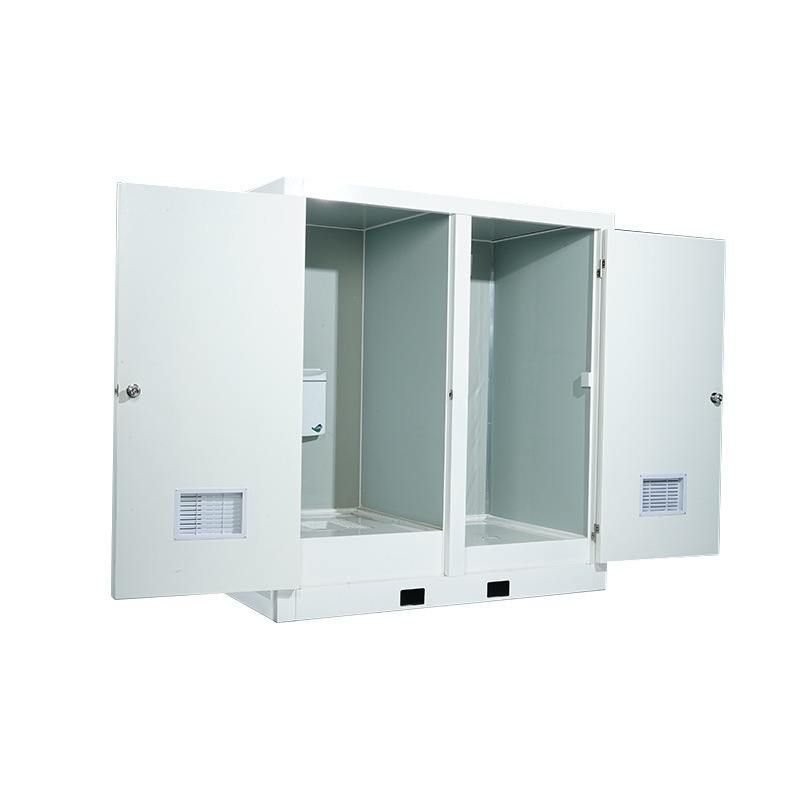
Construction and Production Model
The core of Zaozhuang prefabricated houses lies in their "prefabricated" production. Components such as walls, roofs, and foundations are manufactured in advance in factories, ensuring precision and quality through standardized molds and industrial processes. For example, wall components may be made of reinforced concrete or lightweight composite materials, while roof components may integrate insulation and waterproofing structures. After production, these components are transported to the construction site and quickly assembled using methods such as bolt connections, welding, or mortise-and-tenon joints to form a complete house. This model significantly shortens the construction period, reduces on-site wet work (such as concrete pouring), and minimizes the impact of weather on the project timeline.
Core Advantages
- High Construction Efficiency: Factory prefabrication and on-site assembly occur simultaneously. While traditional construction may take several months, prefabricated houses can complete the main structure in just a few weeks, making them particularly suitable for emergency housing or rapid development projects.
- Effective Cost Control: Industrial production reduces reliance on manual labor and minimizes material waste, while economies of scale lower unit costs. For example, prefabricated concrete houses in new rural areas can cost as low as 260 yuan per square meter, and movable cement houses cost around 6,000 yuan each, offering excellent cost-effectiveness.
- Environmental Protection and Energy Efficiency: Factory production allows precise control over material usage, reducing construction waste. Components integrate insulation, soundproofing, and other performance features, lowering long-term energy consumption. Some products also use recycled materials, further reducing environmental impact.
- Design Flexibility: Prefabricated components can be modularly combined to support personalized layouts, meeting the needs of residential, office, and commercial applications. They even allow for "building-block-style" expansion or renovation.
Market Outlook and Product Types
The market for Zaozhuang prefabricated houses is driven by multiple factors: rapid urbanization increases housing demand, policies encourage the development of prefabricated buildings, and technological advancements (such as BIM design and automated production lines) enhance product quality and efficiency. Local companies offer a diverse range of products, including cement panel houses (lightweight and easy to disassemble) and integrated cement houses (with more stable structures). They also provide customization services, such as adjusting room sizes, adding windows and doors, or optimizing internal piping layouts, to cater to niche markets like rural self-built houses, tourist accommodations, and temporary construction site housing.
Purchase and Customization Recommendations
Consumers can learn about product information through local building material markets or company websites, focusing on parameters such as component materials, connection methods, and seismic resistance levels. They should also request construction case studies and after-sales support from companies. When customizing, it is essential to clarify needs (such as the number of floors, area, and functional zoning) to enable companies to optimize design plans and cost control.



