Production of Mobile Toilets in Linxia Scenic Area
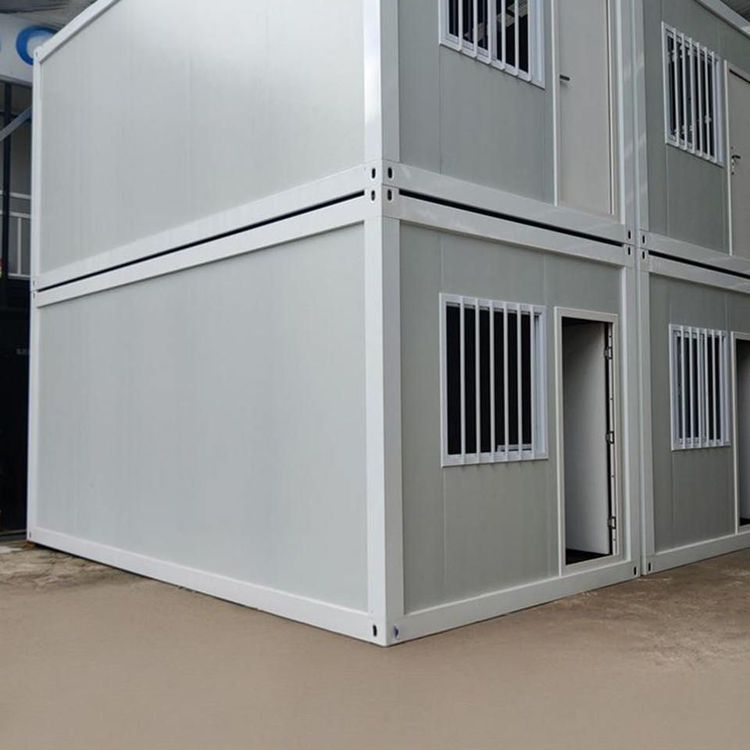
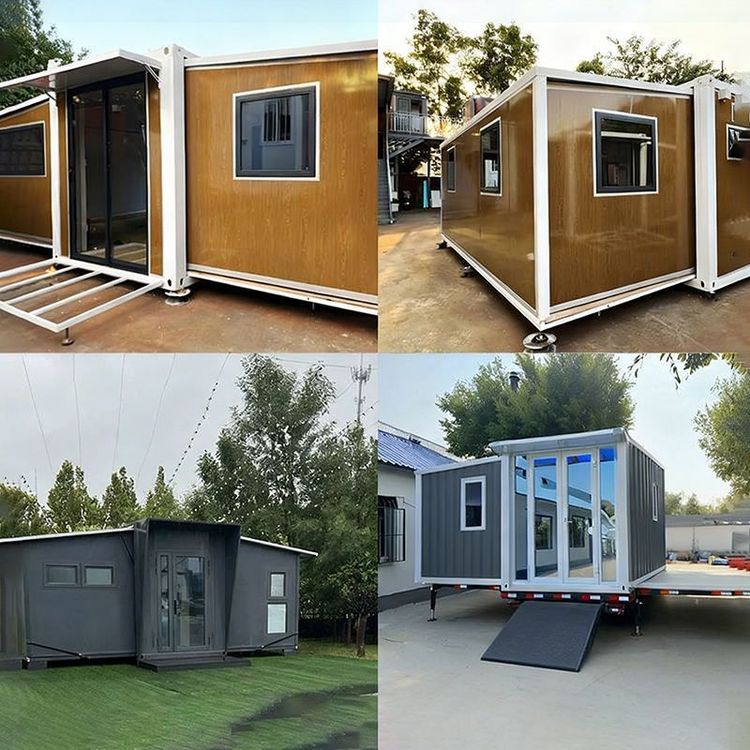
The production of mobile toilets in Linxia scenic area can refer to the technical integration form of smart mobile toilets, and carry out customized development by combining core points such as structural design, control system, energy supply, environmental adaptability, and cleaning and maintenance.

1. Structural Design Lightweight alloy materials are used to construct the physical framework, with sealed joints for quick assembly and disassembly, facilitating flexible deployment within the scenic area. The framework incorporates pre-embedded pipeline channels, with waterproof and insulated electrical wiring and hollow-structured water supply and drainage pipes to ensure safe and efficient water and electricity systems. The end of the drainage pipe is connected to a compact treatment unit that processes solid waste through multi-layer filtration and biological decomposition technologies. The treated water is disinfected with ultraviolet light before being discharged to meet standards, reducing pollution to the scenic environment.
2. Control System Intelligent management is achieved through the collaborative work of multiple sensors: infrared sensing modules detect human proximity and automatically trigger lighting and ventilation equipment to reduce energy consumption; ammonia and hydrogen sulfide gas sensors continuously monitor air quality, automatically increasing exhaust power when concentrations exceed standards to ensure user comfort; water level sensors monitor the capacity of water storage and sewage tanks, with data sent to a management platform via wireless transmission modules. The platform displays real-time status and triggers abnormal alerts, facilitating timely handling by maintenance personnel.
3. Energy Supply A hybrid energy model ensures stable operation: photovoltaic panels are installed on the roof to convert solar energy into electricity, stored in lithium-ion battery packs; during rainy weather, the system automatically switches to municipal grid power, controlled by an intelligent switch for uninterrupted power supply. The battery management system monitors the number of charge-discharge cycles and issues replacement recommendations when capacity decays to 80% of the design value, extending equipment lifespan.
4. Environmental Adaptability Optimized design for the complex environment of the scenic area: insulation materials are filled in the wall cavities to reduce temperature conduction, adapting to large diurnal temperature variations; anti-insect mesh is installed at the outlets of ventilation pipes to prevent insect intrusion; the floor features a non-slip texture design with calculated inclination angles to ensure smooth drainage and prevent water accumulation; metal components are treated with anti-corrosion coatings to withstand soil chemical corrosion, extending structural lifespan.
5. Cleaning and Maintenance Automated maintenance relies on preset programs: a spray device releases a weak alkaline surfactant fog cleaning agent at midnight every day, covering internal surfaces to emulsify dirt, which is then washed away with water flow; technicians inspect mechanical component wear monthly and replace consumables; the sewage treatment unit is cleaned of sediment quarterly, with solid residues disposed of harmlessly according to procedures, reducing manual maintenance costs.
In addition, reference can be made to the modular assembly technology of companies like Falilai Group to develop customized solutions based on the actual needs of the scenic area, enhancing the functionality and practicality of mobile toilets.