Renovation of Public Mobile Toilets in Linxia
The renovation of public mobile toilets in Linxia should incorporate ecological technologies, smart management, and localized adaptation strategies, advancing from four aspects: design philosophy, technological composition, scenario-based renovation, and supplier selection.

1. Ecological Toilet Design Philosophy: Closed-Loop Resource Management
The renovation should focus on resource recycling, breaking away from the limitations of traditional toilets that rely on underground sewer networks. Through source-based solid-liquid separation technology, solid waste is converted into humus through microbial fermentation for soil improvement; liquid waste undergoes multi-layer purification through physical interception, plant absorption, and microbial degradation, achieving water quality standards suitable for landscape replenishment or soil infiltration, thus realizing 'zero discharge'. For example, adopting a combination of biodegradation and membrane filtration processes can reduce sewage discharge by over 90%, adapting to Linxia's arid and water-scarce climate conditions.
2. Smart Public Toilet Technological Composition: Closed-Loop Management System
Integrate environmental monitoring, cleaning scheduling, and material management modules to achieve automated responses through data flows. Environmental sensors continuously monitor parameters such as air quality and humidity, automatically activating ventilation systems when ammonia levels exceed standards; once usage reaches a threshold, the system generates cleaning task lists and pushes them to operation and maintenance terminals; the material management module monitors the stock levels of toilet paper and hand sanitizer, triggering restocking alerts when levels fall below 20%. Such technologies can reduce manual inspection costs by over 30% and enhance operational efficiency.
3. Localized Renovation Approach: Climate and Scenario Adaptation
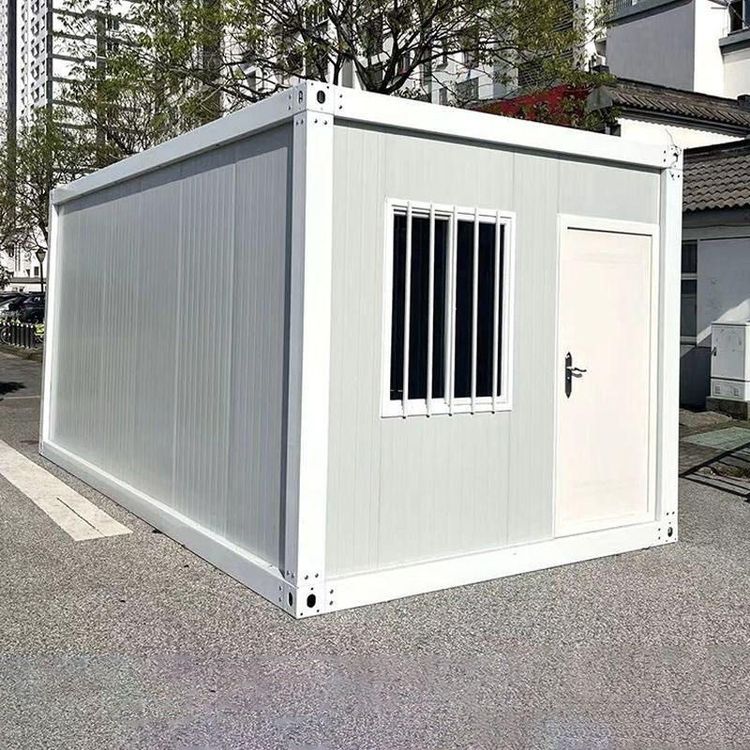
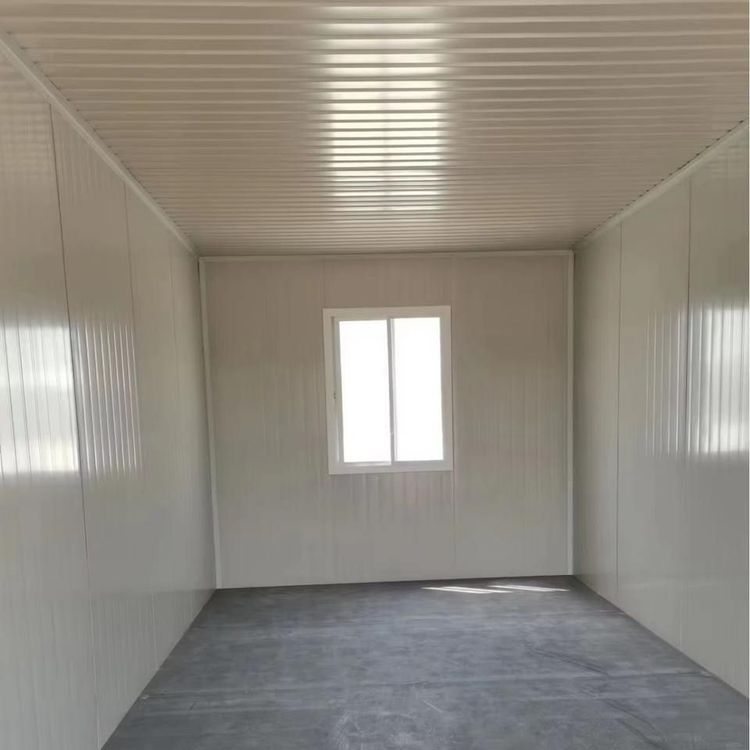
- Climate Adaptability: To address winter cold issues, adopt double-layer insulated walls (thermal conductivity ≤ 0.03 W/m·K), electrically heated sewage pipes (freeze-proof down to -30°C), and wind-resistant door curtains to ensure normal operation in environments as cold as -20°C. For example, the mobile toilets produced by Guting Metal Products feature a thickened Q235B galvanized steel frame and an 8-level wind resistance design, capable of withstanding Linxia's sandy weather.
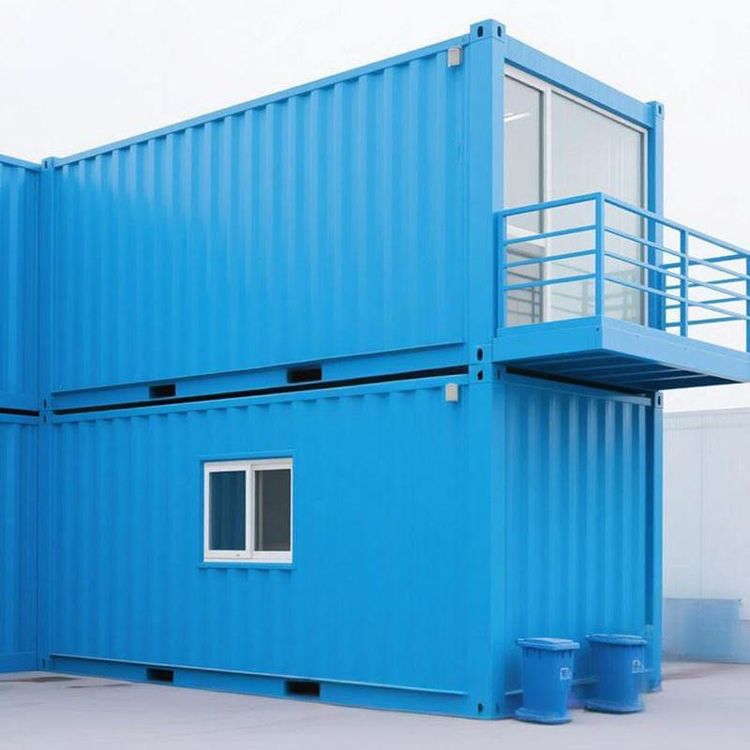
- Scenario-Based Solutions: For county and township festivals requiring deployment within 15 days, prioritize the use of integrated lifting structures to avoid on-site wet construction. Suppliers should provide a 'Quick Anchoring Construction Guide for Loess Areas', utilizing spiral piles or concrete weight blocks for fixation to ensure stable operation in regions with insufficient loess layer bearing capacity.
4. Supplier Selection Criteria: Full-Cycle Service Capability
Focus on evaluating suppliers' localized responsiveness, including the ability to reach remote villages for repairs within 24 hours, familiarity with local geological conditions for foundation fixation solutions, and experience in verifying high-altitude freeze-proof piping. For example, a manufacturer in Linxia City, Gansu Province, offers a full-cycle service package covering transportation, installation, commissioning, and a 5-year warranty. Their products are equipped with anti-slip floors, squat toilets, and exhaust fans, with a supply cycle of 5 days, capable of covering the needs of all eight counties and one city in the prefecture.