Linxia Mobile Toilet Processing
The processing of mobile toilets in Linxia involves multiple aspects such as materials, structure, technology, production process, and inspection.

Material Selection: When manufacturing mobile toilets, material selection is crucial. Commonly used materials include carbon steel, steel structures, color-coated steel, and stainless steel. Among them, stainless steel is widely used in the Linxia area due to its corrosion resistance and ease of maintenance. Its alloy composition is based on iron, with the addition of elements such as chromium and nickel, forming a surface oxide film to resist environmental erosion. Considering the characteristics of large temperature differences and frequent sandstorms in the Linxia area, it is necessary to adjust the steel model and processing technology to ensure the applicability and durability of the materials.
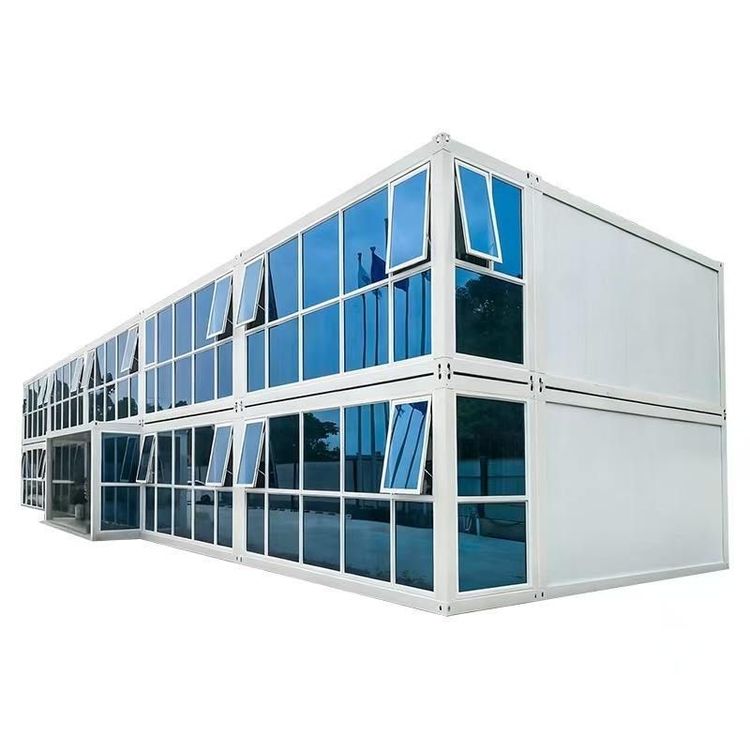
Structural Design: Mobile toilets adopt a modular construction method, with each functional unit prefabricated in the factory and then transported to the usage site for assembly. This design shortens on-site construction time and reduces environmental interference. The internal space planning is based on ergonomic principles, ensuring that basic sanitary facilities are reasonably laid out and meet barrier-free access standards. The ventilation and sewage systems operate independently and do not rely on fixed municipal sewage networks, making them suitable for temporary or remote sites.
Technology Integration: Modern mobile toilets focus on water conservation and waste treatment efficiency. Some products adopt biodegradation technology or vacuum collection systems to reduce water consumption and lower subsequent treatment burdens. The integration of solar power supply systems enables the equipment to operate in areas without a power grid, expanding the application scenarios.
Production Process: In the manufacturing process, companies such as Lanzhou Red Sun Stainless Steel Co., Ltd. provide raw materials. The steel undergoes processing steps such as cold rolling and welding to achieve the required specifications. The material supply process must ensure that the thickness and strength of the steel meet the load-bearing and safety requirements of mobile toilets.
Product Inspection: Before leaving the factory, mobile toilets must pass tests for structural stability, waterproof performance, and safety indicators. The inspection standards not only target the finished products but also cover material sources and production process records, forming a traceable quality management system.
In addition, there are multiple eco-friendly public toilet manufacturers in Linxia capable of processing mobile toilets. Their products are reasonably priced, have short delivery times, sufficient supply volumes, and support customization services. The supply range covers multiple cities and counties in Gansu Province.