Linxia Environmental Protection Mobile Toilet Production
The production of environmental protection mobile toilets in Linxia requires the integration of multiple aspects such as materials, design, technology, production, and quality inspection. The specific process is as follows:
Material selection is fundamental. Stainless steel is widely used due to its corrosion resistance and ease of maintenance, especially suitable for the climate in northwest China with large temperature differences and frequent sandstorms. Its alloy composition is based on iron, with the addition of elements such as chromium and nickel to form a surface oxide film that effectively resists environmental erosion. Companies like Lanzhou Red Sun Stainless Steel Co., Ltd. provide cold-rolled and welded steel materials, ensuring that the thickness and strength meet load-bearing and safety requirements, providing a guarantee for the durability of mobile toilets.
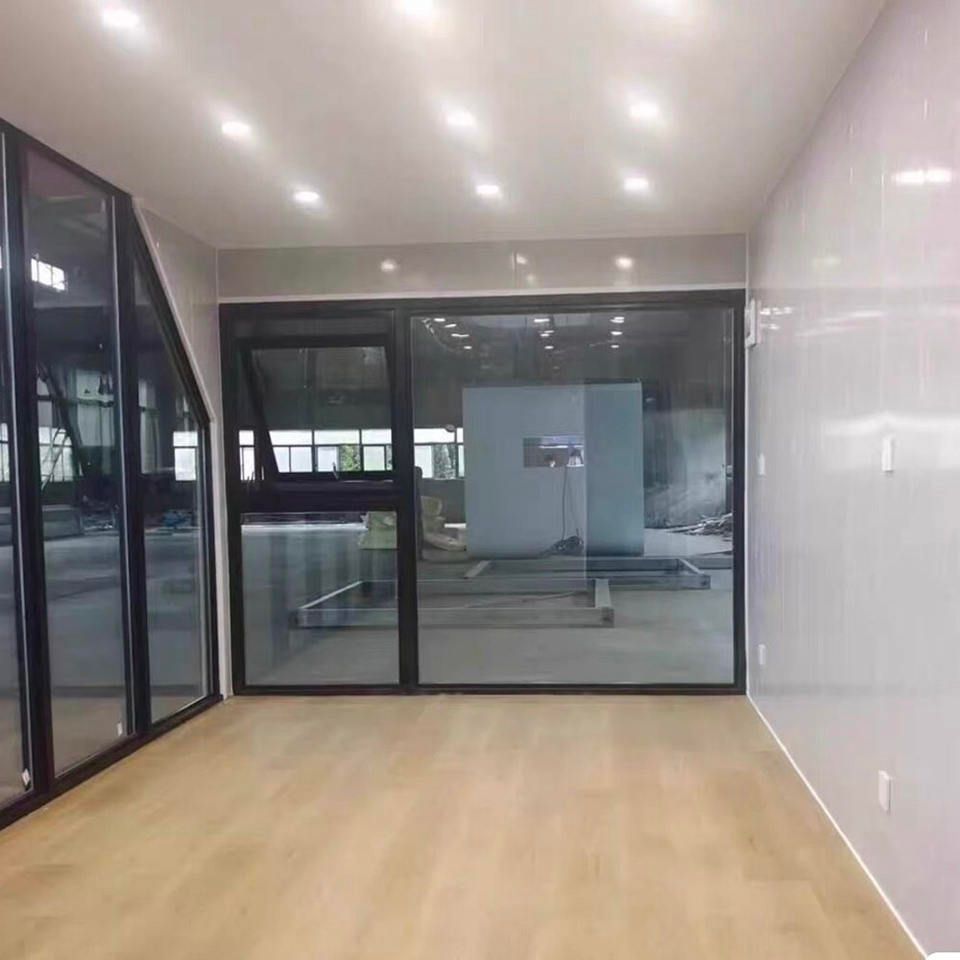
Structural design emphasizes modularity and functionality. Adopting a modular construction approach, functional units (such as toilet compartments and sewage systems) are prefabricated in factories and then transported to the site for assembly, shortening construction time and reducing environmental interference. The internal space planning should conform to ergonomic principles, ensuring a reasonable layout of sanitary facilities and meeting accessibility standards. The ventilation and sewage systems should operate independently, avoiding reliance on municipal sewage networks to adapt to temporary or remote sites.
Technological improvements focus on environmental protection and energy efficiency. Modern mobile toilets emphasize water conservation and waste treatment efficiency, such as using biodegradation technology or vacuum collection systems to reduce water consumption and lower subsequent treatment burdens. The integration of solar power systems enables the equipment to operate in areas without access to the power grid, expanding application scenarios, such as in high-altitude or remote areas.
Production adjustments need to match scenario requirements. Different application scenarios (such as construction sites, tourist attractions, and temporary event venues) have varying requirements for product specifications and functions. Manufacturers need to adjust production plans according to orders, such as enhancing thermal insulation performance to adapt to low-temperature environments or optimizing structures to cope with frequent handling, ensuring product adaptability and cost-effectiveness.
Quality inspection ensures reliability. The final product must pass tests for structural stability, waterproof performance, and safety indicators, complying with multiple national standards. The inspection process covers material sources and production process records, forming a traceable quality management system to ensure safety and durability during use.
In addition, manufacturers such as Fuhua Jicheng and Jiamei Environmental Protection in Linxia offer various types of waterless ecological environmental protection toilets and mobile environmental protection toilets, with prices ranging from several hundred yuan to tens of thousands of yuan, meeting different budget and functional requirements.