
Linked Mobile Toilet
The linked mobile toilet is an automated toilet system that achieves resource optimization, emergency response, and efficient space utilization through the collaboration of sensors, control units, and actuators. Its technical implementation and functional features are as follows:
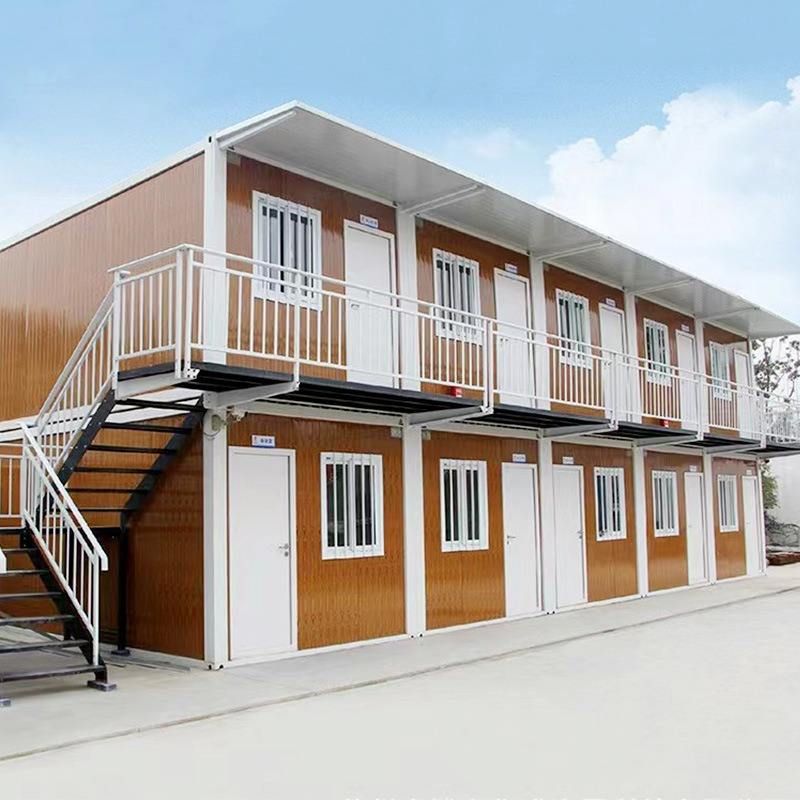
1. Technical Implementation Basis
The linkage function relies on the collaboration between an environmental sensor network (such as temperature, humidity, odor, and foot traffic sensors) and a central control unit. Sensors collect data in real-time, which is then analyzed by a local gateway or edge computing node, triggering automatic responses from actuators (such as exhaust fans, water pumps, and lighting equipment). For example, when the odor sensor detects excessive levels, the system immediately activates strong ventilation; when unoccupied, it automatically switches to energy-saving mode, turning off non-essential equipment. Such solutions are centered around a closed loop of "sensors-gateway-actuators" and are suitable for smart restroom projects with budgets in the ten-thousand-yuan range.
2. Typical Linkage Scenarios for Mobile Toilets
- Resource Optimization: Through the linkage of vacuum suction devices and biodegradable agents, a single toilet flush requires only 0.5 liters of water, achieving a water-saving rate of over 90% (e.g., Beijing Sanitation Mobile Restrooms).
- Emergency Response: Equipped with a water level sensor and pump-valve linkage system, it automatically switches to an onboard water tank to maintain basic functionality in the event of municipal water supply failure.
- Space Adaptation: The linkage design of foldable handrails, sloped floors, and wall-mounted sinks compresses the area of a single toilet cubicle to within 1.2 square meters while meeting the turning requirements for wheelchairs.
3. Advanced Linkage Solutions (Hundred-Thousand-Yuan Range)
After introducing edge computing or cloud platforms, the linkage logic becomes more complex:
- Foot Traffic Prediction: Dynamically adjusts the allocation of cleaning resources through video analysis, increasing cleaning frequency during peak hours.
- Energy Consumption Optimization: Predicts hidden losses based on water and electricity usage data models and automatically adjusts equipment operation strategies (such as off-peak heating).
Such solutions require customized algorithm development and reserve standardized interfaces to support future technological upgrades.
4. Linkage Advantages of Mobile Toilets
Compared to traditional fixed toilets, their design emphasizes modularity and flexibility:
- Deployment Efficiency: The prefabrication rate in factories exceeds 85%, with only quick pipeline connections required on-site, shortening the deployment cycle by more than 50%.
- Maintenance Costs: Quick-release hardware and standardized components support the replacement of individual parts within 20 minutes, reducing long-term operation and maintenance expenses.
The technical complexity of linked mobile toilets is proportional to the budget, ranging from basic equipment linkage to data-driven predictive management, allowing flexible adaptation to various scenarios such as tourist attractions, disaster areas, and temporary events.



