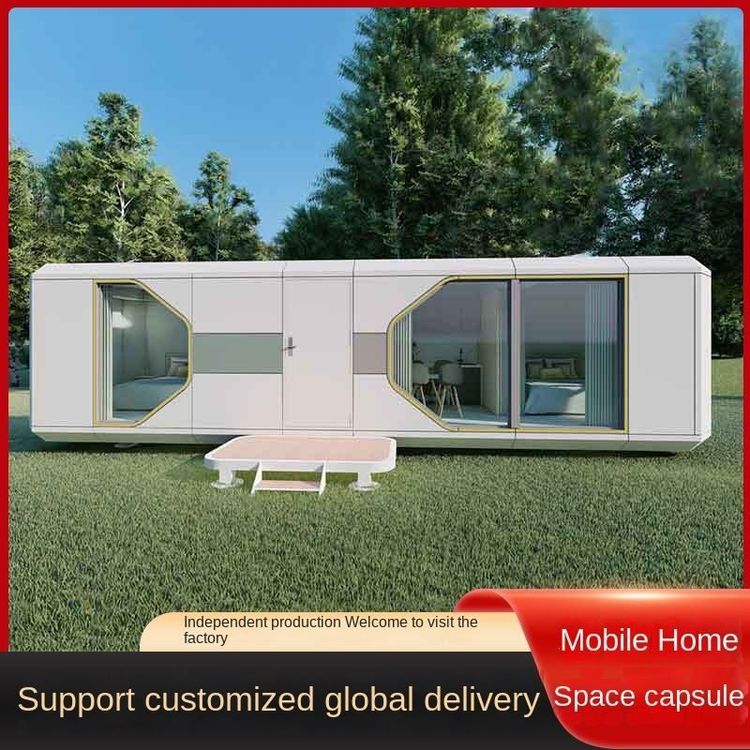
Lijiang Intelligent Mobile Toilet
The intelligent mobile toilets in Lijiang mainly include two aspects: smart toilets and the production of modular mobile toilets.
Smart Toilets
Thirty smart toilets have been launched in the ancient town of Lijiang, enhancing the toilet-using experience for tourists through technology. These toilets boast a rich array of core functions: all are equipped with electronic screens that display real-time information such as the number of available stalls, temperature, and humidity, enabling tourists to quickly understand the toilet usage situation. The third toilets are equipped with an over-time reminder function. If someone faints due to altitude sickness, the system will immediately raise an alarm to ensure tourist safety. Microbial treatment technology is employed to effectively eliminate odors and maintain a fresh toilet environment.
In terms of usage, smart toilets fully consider tourist needs. They are located at popular attractions, and tourists can navigate to them using the "One Mobile Phone for Touring Yunnan" app. Face recognition or QR code scanning can be used to open the doors, eliminating the need for any physical contact throughout the process, which is both hygienic and convenient. During peak periods, tourists can also check real-time congestion levels through the app to avoid crowded spots, saving an average of 40% of their time according to tourist feedback. The automatic sensing doors and spacious interior design greatly facilitate families with elderly members and children.
Production of Modular Mobile Toilets
The mobile toilets in Lijiang adopt a modular combination approach, consisting of structural frame units, sanitation treatment units, auxiliary service units, and external adaptation units. Each unit has specific constraints tailored to Lijiang's unique high-altitude geographical climate, the tidal fluctuations in tourist traffic, and the landscape protection requirements of a World Heritage site.
In the production process, demand analysis is conducted first to select appropriate treatment technologies based on the usage scenario. Due to Lijiang's need for water conservation and protection, traditional high-water-consumption flushing technologies are less applicable. Technologies such as waterless packaging, microbial degradation, and vacuum suction each have their own advantages and disadvantages and must be selected based on actual conditions. When choosing materials and processes, the box materials must possess properties such as corrosion resistance, UV resistance, and thermal insulation, and be easy to install and dismantle quickly. The durability and ease of maintenance of internal components are also crucial. The final step is integration and testing to ensure that all units can work together stably in simulated or actual high-altitude environments, providing reliable toilet services for tourists.